5602 S Memorial Dr, Tulsa, OK 74145
What Is The Difference Between Tartar And Plaque?

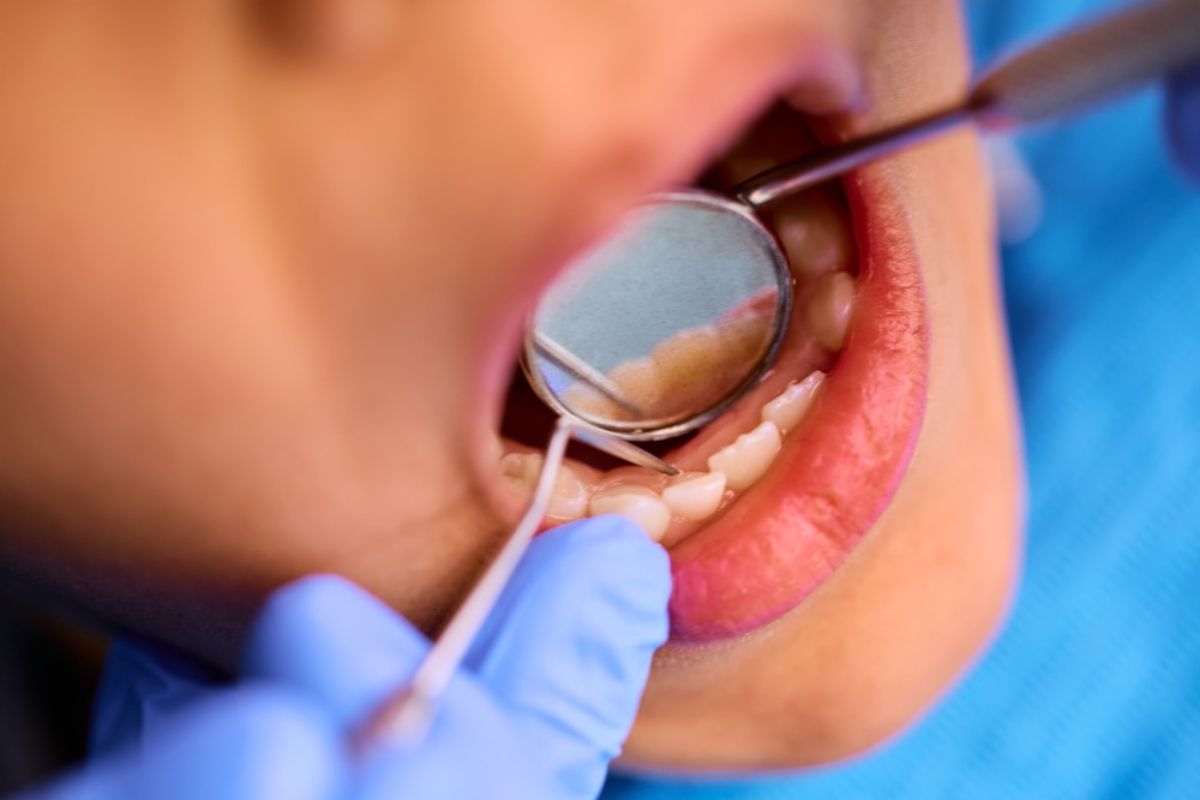
We all know that good oral hygiene is essential, but to be honest, we all miss out on our daily habits, don’t we? You may forget to floss here and there or rush through brushing. You might think it is no big deal. Wrong. Poor oral hygiene can lead to serious problems like cavities, gum disease, bad breath, and even tooth loss. What are the main culprits behind these issues? Plaque and tartar.
You are in the right place if you have ever wondered the difference between them and why they matter. By the time you reach the end of the blog, you will clearly understand the difference between plaque and tartar, how they impact your oral health, and how you can keep them in check.
What is Plaque?
Plaque is a soft, sticky film that develops on your teeth every day, consisting of bacteria, food particles, and saliva. When you eat or drink, the bacteria in plaque feed on sugars and produce acids that can attack your tooth enamel, causing cavities and gum inflammation. When you maintain proper oral hygiene and visit a general dentist in Tulsa periodically, you can prevent other dental problems that arise due to plaque.
Facts You Need to Know About Plaque
- Appearance: It is clear or slightly yellowish, sticky, and soft.
- How It Forms: It develops naturally throughout the day, especially after eating.
- Risks It Causes: If left untreated, plaque hardens into tartar, causing cavities, gum disease, and bad breath.
- How to Remove it: You can easily remove it with daily brushing, flossing, and periodical visits to a general dentist in Tulsa.
What is Tartar?
Tartar, commonly known as calculus, forms when plaque remains uncleaned. As time passes, minerals in your saliva blend with plaque, turning it into a complex, rough substance that adheres to your teeth and gums. Tartar is more stubborn than plaque and won’t come off with regular brushing. Only a dentist can remove it through professional cleaning.
Important Insights on Tartar
- Appearance: Tartar, whether yellow or brown, appears rough and crusty, making it difficult to remove without professional dental care.
- How it Forms: When plaque is not removed, it calcifies over time, forming tartar.
- Threats it Causes: Leads to tooth discoloration, receding gums, gum disease, and tooth sensitivity.
- How to Remove it: Dental professionals can remove it using their specialized tools. Thus, contact the most reliable Tulsa-based dental clinic regularly.
How to Prevent Plaque and Tartar Buildup
You can prevent tartar by stopping the plaque from progressing. Here’s how to do it:
- Brush twice a day with fluoride toothpaste and a soft-bristled toothbrush.
- Floss every day to clear plaque from between your teeth.
- Rinse with mouthwash to prevent bacteria and freshen your breath.
- Limit sugary foods and drinks, which fuel plaque bacteria.
- Stay hydrated as it washes away food particles and bacteria.
You can control plaque with daily oral care, but once it turns into tartar, it is out of your hands. The longer tartar remains on your teeth, the more severe the consequences can range from gum disease to tooth loss. If you notice yellow or brown buildup on your teeth, persistent bad breath, or gum irritation, it is time for a professional cleaning. Do not wait until it’s too late; book an appointment at our dental clinic today!