5602 S Memorial Dr, Tulsa, OK 74145
Can Cosmetic Dentistry Fix Gaps Between Your Teeth?


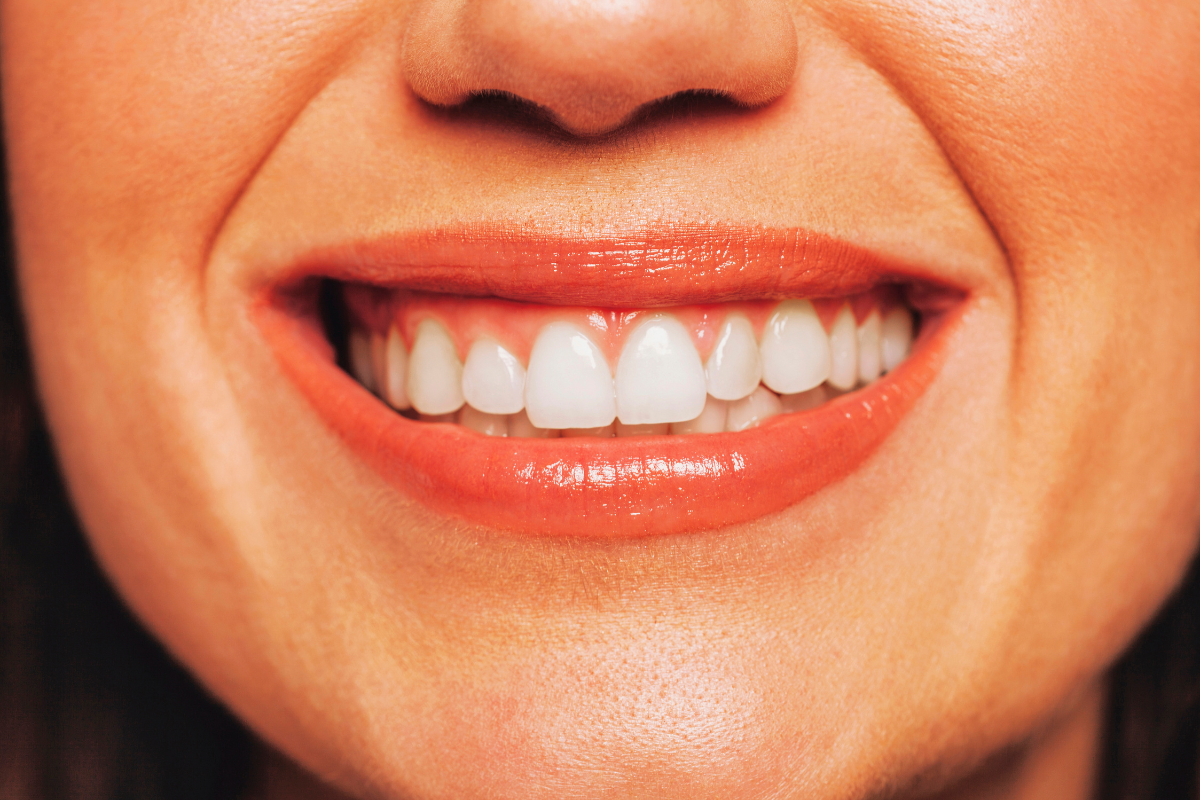
A small gap between teeth might seem harmless, but for many people, it affects their confidence when smiling. Fortunately, modern cosmetic dentistry offers quick and effective ways to close those spaces and create a balanced, natural-looking smile. Whether you’re considering bonding, veneers, or white fillings, your dentist can customize a plan that fits your smile goals.
Are Teeth Gaps Genetic?
Yes, genetics plays a significant role in tooth spacing. Some naturally have smaller or larger jaws, creating extra space between teeth. However, not all gaps are hereditary. Other common causes include:
- Thumb-sucking or tongue-thrusting during childhood
- Missing or undersized teeth
- Gum disease that causes shifting
- Improper alignment or bite issues
Understanding why your tooth gaps exist helps your dentist recommend the most effective cosmetic treatment. A professional evaluation can determine whether the issue is cosmetic or requires orthodontic or periodontal care first.
Why Fix Gaps in Teeth?
Closing gaps between your teeth isn’t just about aesthetics—it’s also about improving your oral health. Here’s why many people choose to fix them:
- Boosts Confidence: A complete, even smile can make you feel more comfortable in social and professional settings.
- Prevents Food Trapping: Gaps can trap food and lead to plaque buildup or bad breath.
- Improves Bite Alignment: Uneven spacing can cause extra pressure on certain teeth, leading to wear or discomfort.
- Supports Long-Term Dental Health: Closing gaps helps maintain proper spacing and prevents shifting over time.
Addressing gaps through cosmetic dentistry enhances your smile and promotes better oral hygiene and bite balance.
How Bonding Closes Tooth Gaps
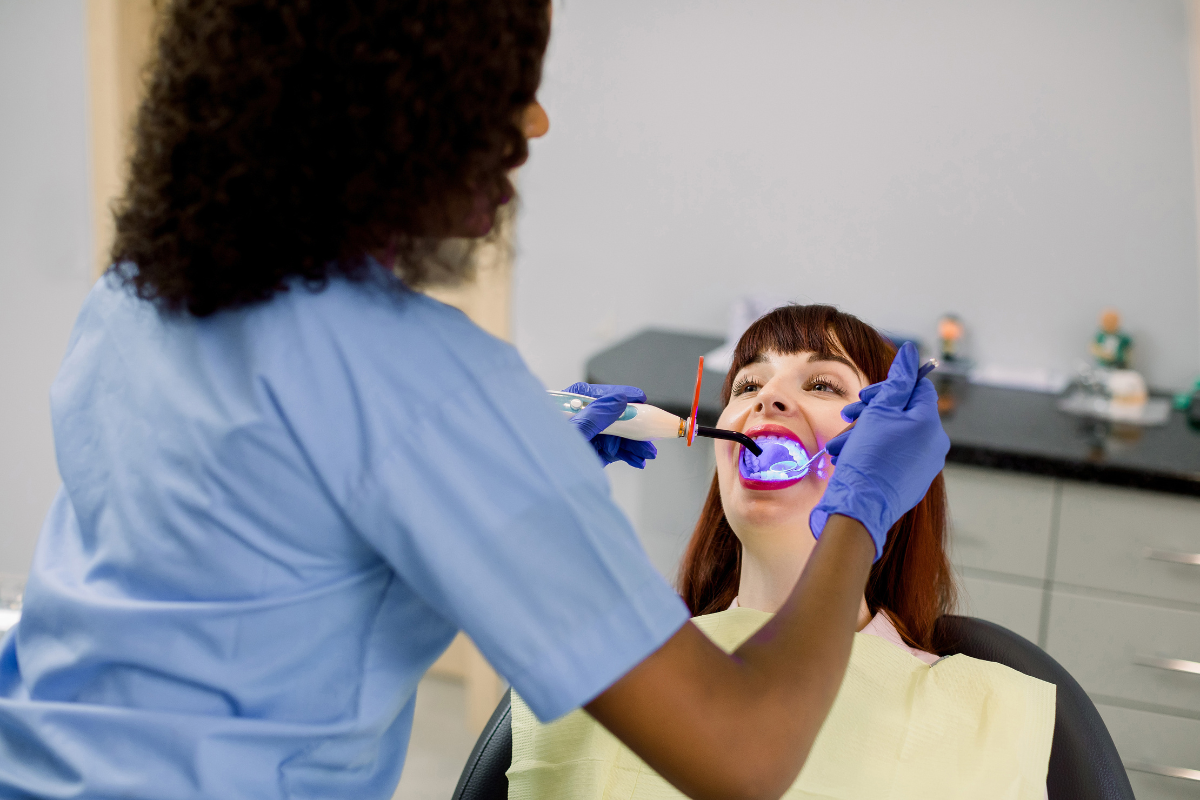
Dental bonding is one of the simplest and most popular methods for closing minor tooth gaps. The procedure involves applying a tooth-colored composite resin directly to the enamel. Your dentist shapes the resin to blend seamlessly with natural teeth, then hardens it with a special curing light.
Bonding is ideal for patients who want quick results without removing natural enamel. It’s also cost-effective and can typically be completed in one visit. With proper care and routine dental cleanings, bonding can last for years while maintaining a natural, bright appearance.
How White Fillings Can Close Gaps
White or composite fillings can do more than repair cavities—they can reshape teeth to reduce gaps. If the spacing is minimal, your dentist can apply composite material on the sides of the teeth to make them slightly wider, effectively closing the space.
This treatment provides a natural finish since the composite matches your tooth color. White fillings are durable, stain-resistant, and preserve most of your natural enamel. They also strengthen your teeth while improving their shape, giving your smile a smooth and uniform appearance.
Ready to Close the Gap in Your Smile?
If you’re ready to close unwanted gaps and achieve a confident, picture-perfect smile, our team at Mose Family Dentistry in Tulsa, OK, can help. Dr. John D. Mose III specializes in personalized cosmetic dentistry solutions that look and feel natural.
Schedule an appointment today to discover which treatment—bonding, veneers, or white fillings—is proper for your smile. Take the first step toward the radiant, gap-free smile you deserve.
Call us at 918-294-9750 today or book online to schedule your cosmetic consultation in Tulsa!
FAQs About Fixing Tooth Gaps
1. Can cosmetic dentistry fix significant gaps between teeth?
Depending on the gap size, your dentist may recommend veneers or bonding for the best results.
2. How long does dental bonding last?
With proper care and routine dental visits, bonding can last anywhere from 5 to 10 years.
3. Is bonding painful?
Not at all. The process is quick and painless since it doesn’t require anesthesia or drilling.
4. Are white fillings safe for front teeth?
Absolutely. White fillings are safe, strong, and designed to match the color of your natural teeth perfectly.