5602 S Memorial Dr, Tulsa, OK 74145
Can a Dentist Remove Hardened Plaque?


If you’ve ever noticed a rough, yellowish buildup on your teeth that won’t come off with brushing or flossing, you’re likely dealing with hardened plaque, also known as tartar or calculus. It’s not just a cosmetic issue—it can put your oral health at serious risk. But can a dentist remove it? Let’s break down what hardened plaque is, why it forms, and what your dentist can do to help.
What Is Hardened Plaque, and Why Is It a Problem?
Plaque is a sticky film of bacteria that constantly forms on your teeth. When you don’t remove it with regular brushing and flossing, it hardens into tartar within 24 to 72 hours. Once it turns into tartar, no toothbrush or mouthwash can remove it. It bonds tightly to the surface of your teeth and often builds up around the gumline.
This hardened substance traps bacteria, making it easier for gum disease and cavities to develop. Left untreated, tartar can lead to gingivitis, periodontal disease, and tooth loss. That’s why early intervention matters—and your dentist is your best line of defense.
How Can a Dentist Remove Hardened Plaque?
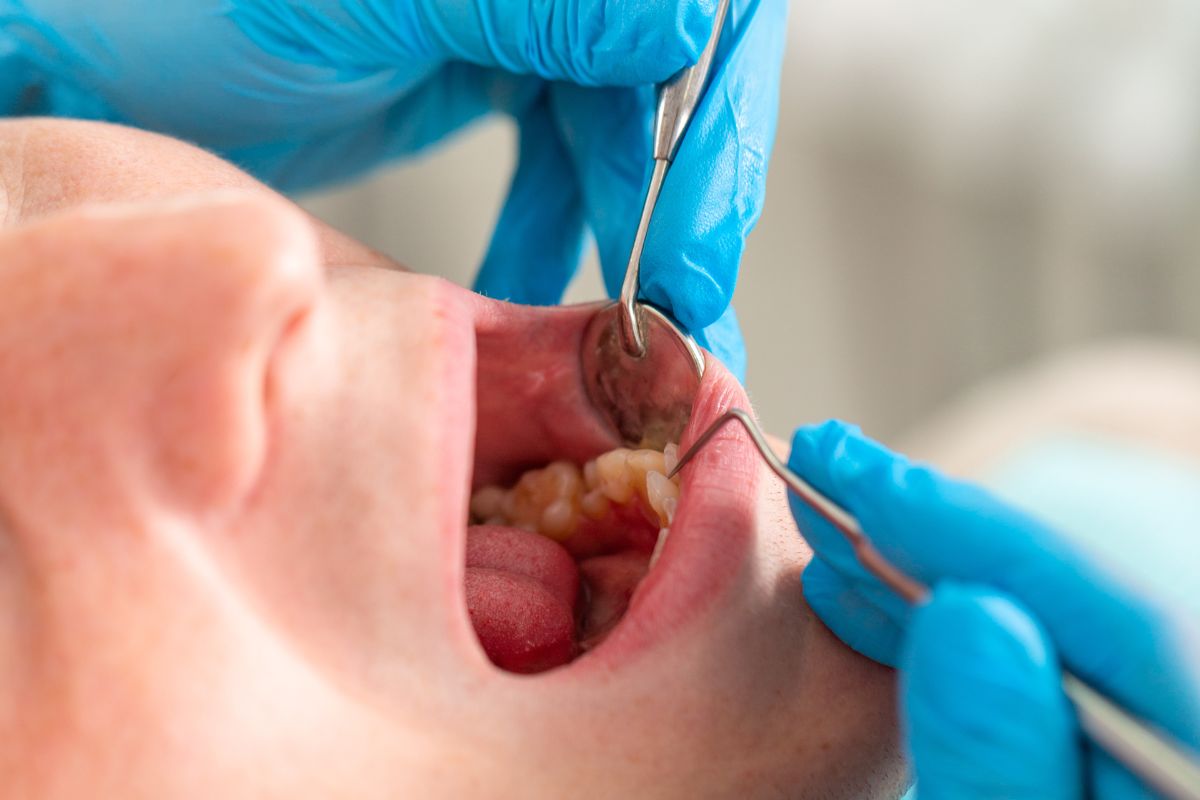
Yes, a dentist can remove hardened plaque; they are the only ones who should. During a professional dental cleaning, your hygienist or dentist uses specialized tools to scale and remove tartar from your teeth and under the gumline. This process is called scaling.
Sometimes, they may recommend scaling and root planing, especially if gum inflammation is present. This deeper cleaning smooths out tooth roots and helps your gums reattach to your teeth. If you seek expert care, an experienced dentist in Tulsa can assess your needs and provide the proper treatment.
Can You Remove Hardened Plaque at Home?
Unfortunately, once plaque hardens into tartar, you can’t remove it at home. Some over-the-counter products claim to dissolve tartar, but they’re not effective against severe buildup. Trying to scrape it off yourself with tools can damage your enamel and irritate your gums.
What you can do is prevent tartar from forming in the first place. Brushing twice daily with fluoride toothpaste, flossing once a day, and scheduling regular dental visits are your best strategies for staying plaque-free.
How Often Should You Get Plaque Removed?
Most people benefit from professional cleanings every six months. However, if you’re prone to tartar buildup or have signs of gum disease, your dentist may recommend more frequent visits. Regular checkups allow your provider to catch and treat issues early, before they become painful or expensive problems.
The Link Between Tartar and Gum Disease
Tartar buildup is essential to keeping your smile white and protecting your overall health. It can lead to chronic gum inflammation, which has been linked to heart disease, diabetes, and other systemic health issues. Removing it regularly is essential to long-term wellness.
Take Charge of Your Oral Health
Hardened plaque doesn’t just dull your smile—it puts your entire mouth at risk. The good news? You don’t have to let it stick around. With the proper dental care, you can reverse the damage, protect your gums, and feel great about your smile again.
At Mose Family Dentistry in Tulsa, we make it easy to get back on track. Whether it’s been six months or several years since your last cleaning, our friendly team is here to help—no judgment, just expert care. We use gentle techniques and advanced tools to remove tough tartar, leaving your teeth fresh, polished, and healthy. Visit our dental office today to schedule your appointment. Your healthiest smile starts here—and we can’t wait to welcome you.