5602 S Memorial Dr, Tulsa, OK 74145
What Are The Symptoms of a Tooth Infection?

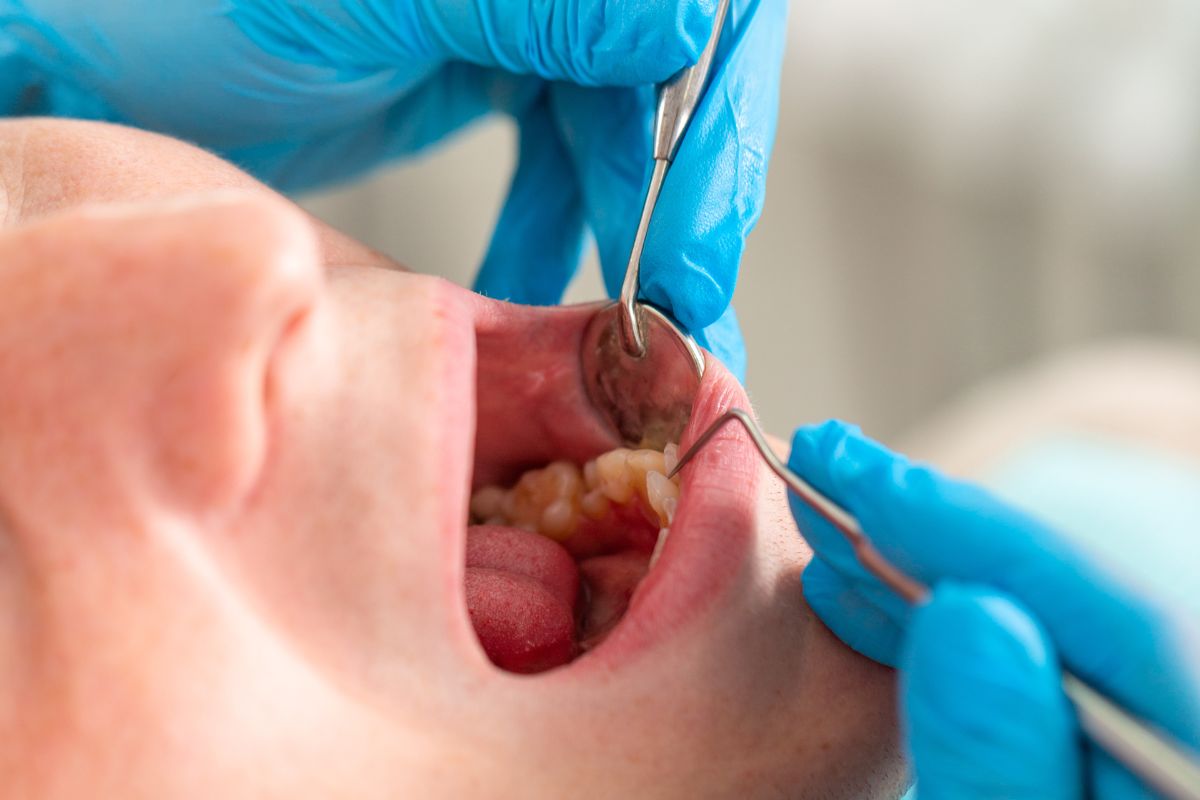
A tooth infection, also known as a dental abscess, happens when bacteria invade the inner part of your tooth—the pulp—causing pain, swelling, and discomfort. While it might start as a small cavity or gum issue, ignoring the signs can lead to serious complications if the infection spreads. Recognizing the early tooth infection symptoms helps you take quick action and protect your oral health.
Common Symptoms of a Tooth Infection
When bacteria invade the inner layers of a tooth, inflammation and discomfort often follow. Here are the most typical signs of an infected tooth:
- Persistent toothache: The pain might feel sharp or throbbing or radiate to your jaw and ear.
- Increased sensitivity: Hot, cold, or sweet foods may trigger pain that lingers.
- Swollen gums: Tender, red, or puffy gums near the affected area are common.
- Bad taste or odor: A foul taste or smell could signal an abscess or drainage from infection.
- Swollen face or jaw: This can indicate that the infection has spread to nearby tissues.
If you notice any combination of these symptoms, scheduling a dental visit is essential before the infection worsens.
Severe Symptoms That Require Immediate Attention
Some warning signs point to a more advanced or dangerous dental infection. These symptoms can indicate that bacteria have spread beyond the tooth:
- High fever or chills
- Difficulty swallowing or breathing
- Severe facial swelling that spreads to the neck or eyes
- Intense, pulsating pain unrelieved by medication
If you experience any of these, don’t wait. Head to an emergency dental office or urgent care immediately—serious infections can impact your overall health if untreated.
Causes of Tooth Infection
A dental infection can develop for several reasons, many of which are preventable with good oral hygiene.
1. Untreated Cavities
Decay that penetrates deep into the tooth allows bacteria to reach the pulp, where nerves and blood vessels are located.
2. Cracked or Damaged Teeth
Even a tiny crack can serve as a gateway for bacteria, which may cause inflammation and discomfort. Taking care of even small issues can make a big difference in keeping you healthy and pain-free.
3. Gum Disease
Advanced gum infection (periodontitis) weakens the tissues and bone supporting your teeth, allowing bacteria to spread deeper.
4. Failed Dental Work
Sometimes, old fillings or crowns can loosen with time, which might create tiny gaps where bacteria can happily settle and grow.
How Do Dentists Diagnose Tooth Infections?
When you visit your dentist, they’ll perform a thorough exam to detect the signs of an infected tooth and to identify the cause and extent of the infection.
Step 1: Clinical Examination
Your dentist will check for visible swelling, tenderness, or gum inflammation and test the tooth’s sensitivity.
Step 2: X-rays
Dental X-rays help show if the infection has spread to the root, bone, or nearby tissues, giving us important information to provide the best care.
Step 3: Vitality Testing
Your dentist may perform tests to see if the nerve inside the tooth is still alive or has been damaged by infection.
This detailed process ensures accurate diagnosis and effective treatment planning.
Treatment Options for Tooth Infection
Treating an infected tooth depends on how far the infection has spread and the condition of the tooth.
- Root Canal Therapy: Removes infected pulp and seals the tooth to prevent reinfection.
- Drainage and Cleaning: The dentist may drain pus and clean the area to relieve pressure and pain.
- Tooth Extraction: If the damage is too severe, removing the tooth prevents bacteria from spreading.
- Antibiotics: These are used to control the infection, especially if it has spread beyond the tooth.
Prompt treatment not only relieves pain but also prevents long-term complications like bone loss or systemic infection.
Prevention Tips
Avoiding oral infections is much easier than treating them. Here’s how to keep your teeth healthy and strong:
- Brush and floss daily to remove plaque and bacteria.
- Schedule dental check-ups twice a year for professional cleaning and early detection.
- Avoid sugary snacks and drinks that contribute to decay.
- Wear a mouthguard if you grind your teeth or play contact sports.
- Replace old fillings or damaged restorations promptly.
Good oral care habits and regular visits to your local dentist go a long way in preventing future infections.
Protect Your Dental Health from Tooth Infections
Recognizing the early signs of tooth infection can save you from severe pain and potential health risks. If you notice an ongoing toothache, swelling, or sensitivity, don’t delay—schedule an appointment with our Tulsa dentist. Quick action ensures your smile stays healthy and free from complications. Contact Mose Family Dentistry today to restore comfort and protect your oral health for years to come.