5602 S Memorial Dr, Tulsa, OK 74145
Can You Have 2 Dental Implants Next to Each Other?

Dealing with a gap in your smile, or worse, two missing teeth right next to each other, can be a significant source of anxiety. If you are exploring a permanent solution like dental implants, a very valid question arises: “Does that mean I can only get one implant, or is placing two side-by-side even possible?”
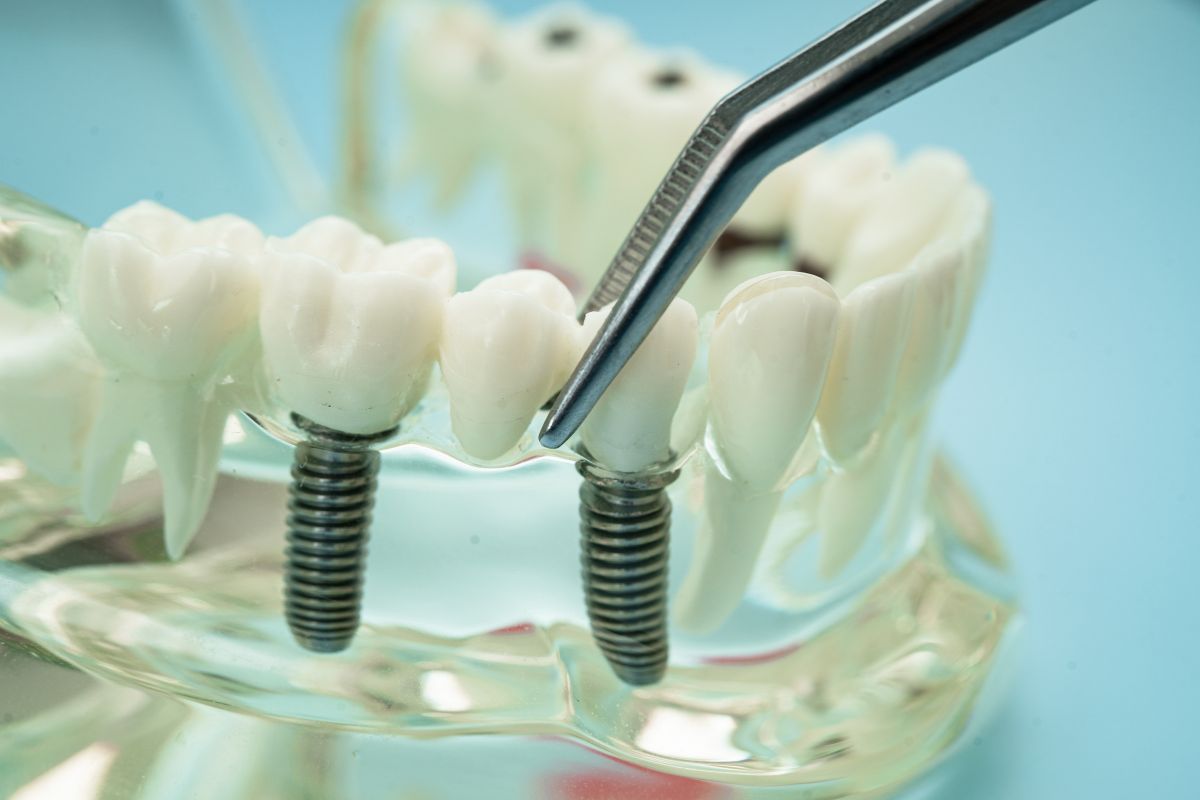
The short answer is yes: in most cases, placing two side-by-side implants is a standard, highly successful procedure. This guide will walk you through everything you need to know about receiving two dental implants side-by-side, from the procedure specifics to the critical success factors.
What Are Dental Implants?
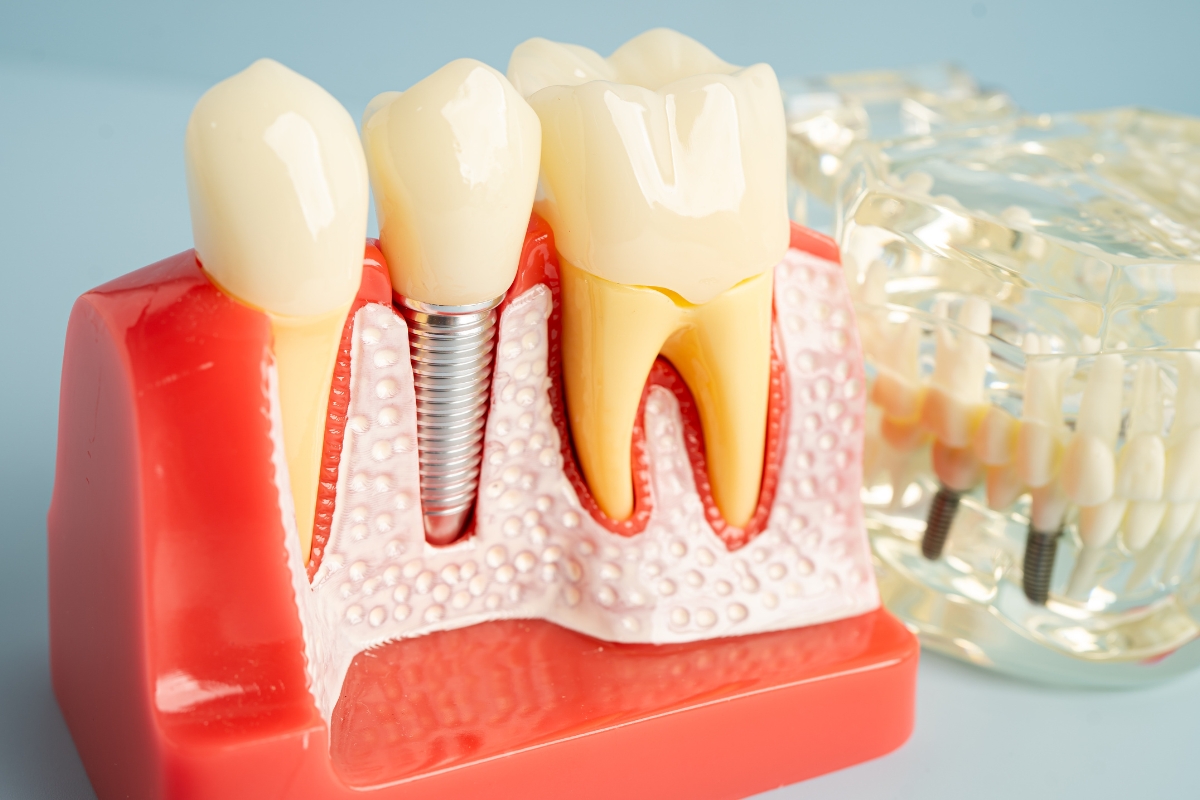
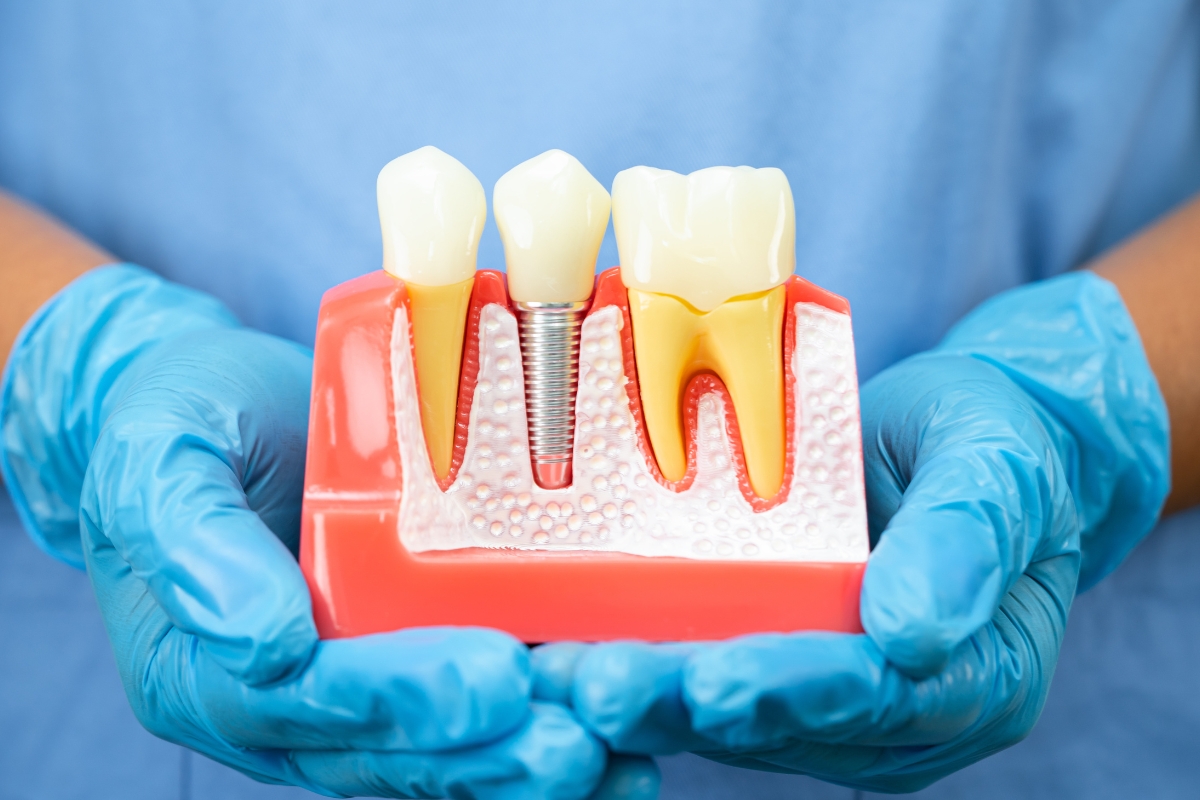
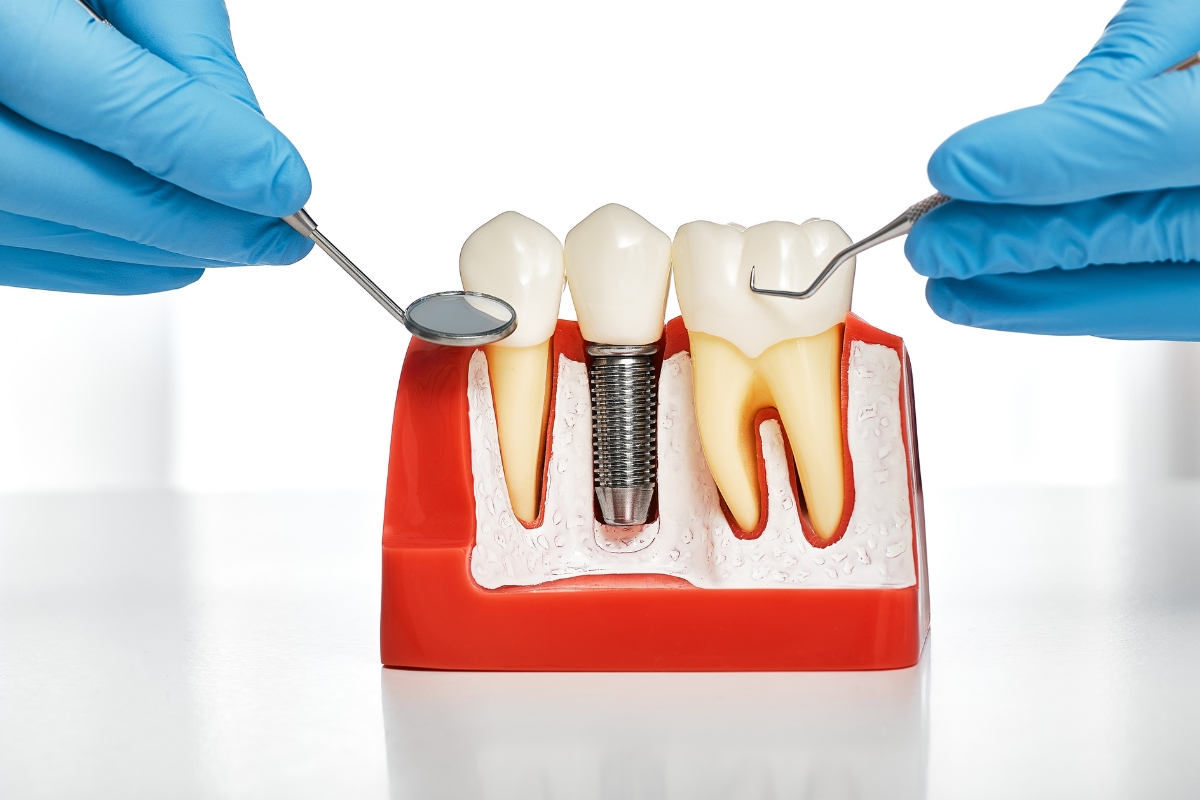
Dental implants are titanium posts surgically placed into your jawbone to replace missing teeth. They act like natural tooth roots and support crowns, bridges, or dentures. Implants provide long-lasting function and natural-looking results, and they prevent bone loss that often occurs after tooth loss. For residents of Tulsa, implants have become a preferred option for durable, aesthetically pleasing tooth replacement.
Can You Place 2 Implants Next to Each Other?
Yes, it is possible to place two dental implants next to each other—but dentists must carefully evaluate your oral health first. Many patients choose dental implants for adjacent missing teeth because they offer a durable, stable, and natural-looking replacement option. Key considerations include:
- Bone density and width: Adequate bone is essential for supporting implants and preventing failure.
- Space between teeth: Dentists require enough room to place implants without crowding, usually around 3 mm between posts.
- Gum and tissue health: Healthy gums reduce the risk of infection and support long-term success.
- Overall oral hygiene: Good daily care is critical to protect your investment.
A local implant dentist can perform imaging and measurements to determine if your mouth can safely accommodate adjacent implants.
Risks of Placing Implants Too Close Together
Placing implants too close to each other can increase the risk of complications, such as:
- Implant failure: Crowded implants may not integrate properly with the jawbone.
- Bone loss: Insufficient spacing can stress the bone and compromise stability.
- Gum recession: Tight placement may affect the surrounding gum tissue, leading to aesthetic and health issues.
Careful planning is essential to avoid these outcomes and ensure your implants last for decades.
Alternatives When Space Is LimitedIf your jawbone or tooth spacing doesn’t allow for two implants side by side, your dentist might suggest alternatives:
- Dental bridges: A bridge can replace multiple teeth using fewer implants.
- Partial dentures: Removable or fixed partial dentures can restore missing teeth.
- Single implant with crowns: Sometimes, a single implant supports multiple crowns in a row.
A local dentist can review all options and recommend the solution that best fits your smile and lifestyle.
How to Prepare for Multiple Implants
To improve your chances of successful adjacent implants:
- Schedule a consultation with a qualified implant specialist.
- Undergo 3D imaging to evaluate bone and tissue health.
- Maintain excellent oral hygiene before and after surgery.
- Discuss any health conditions that may affect healing, such as diabetes or osteoporosis.
Taking these steps ensures your implants remain strong, functional, and natural-looking for years to come.
Find Out If Multiple Implants Are Right for You
If you live in or around Tulsa, you don’t have to worry about gaps in your smile. A dental implant specialist can evaluate your jaw, spacing, and oral health to determine if placing two implants next to each other is safe and effective. Schedule a consultation today to explore your options and take the first step toward a stronger, more confident smile. See our exact location on the map, then set up your appointment and get started on a more confident you.
FAQ:
Q: How much space do implants need?
A: Dentists usually recommend at least 3 mm between adjacent implants to ensure proper bone support and gum health.
Q: Is bone grafting necessary for adjacent implants?
A: If your jawbone lacks sufficient width or density, a bone graft may be needed to create a stable foundation for multiple implants.
Q: How long do multiple implants last?
A: With good oral care and regular checkups, implants can last 20 years or more, often a lifetime.