5602 S Memorial Dr, Tulsa, OK 74145
Dental Implants and Pain: Understanding the Recovery Process

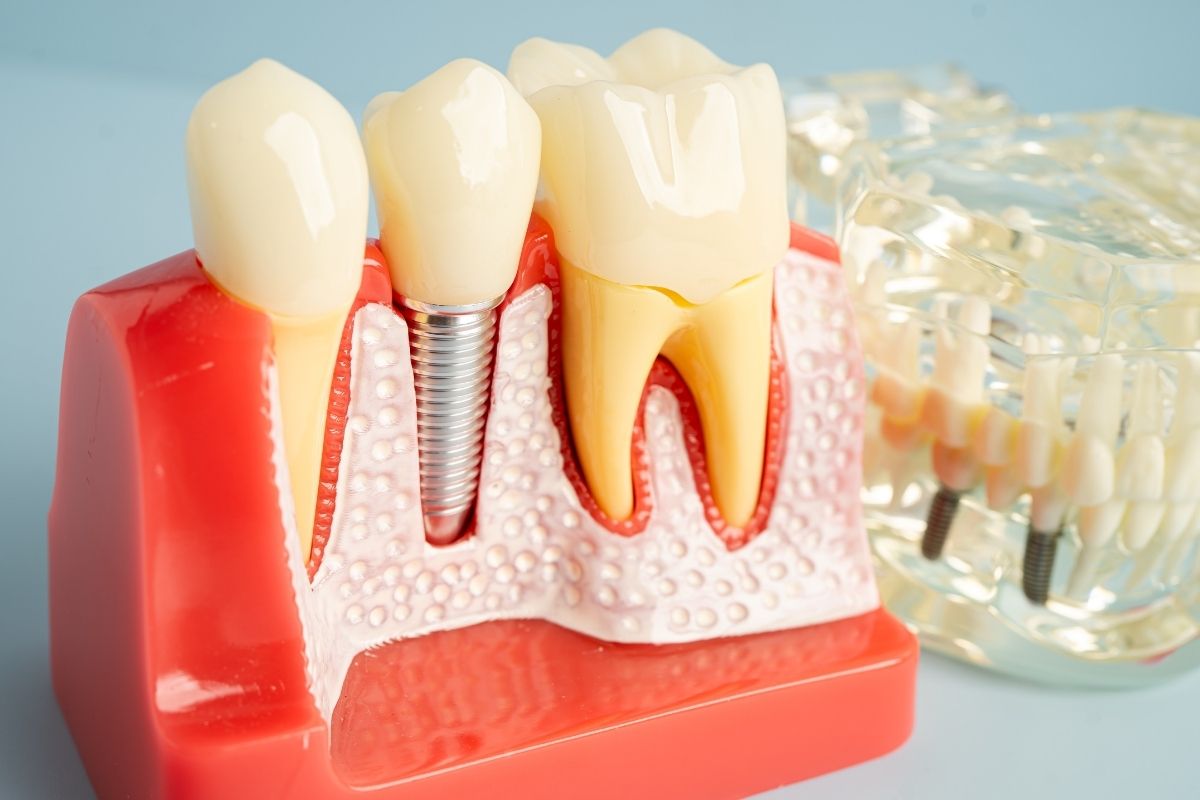
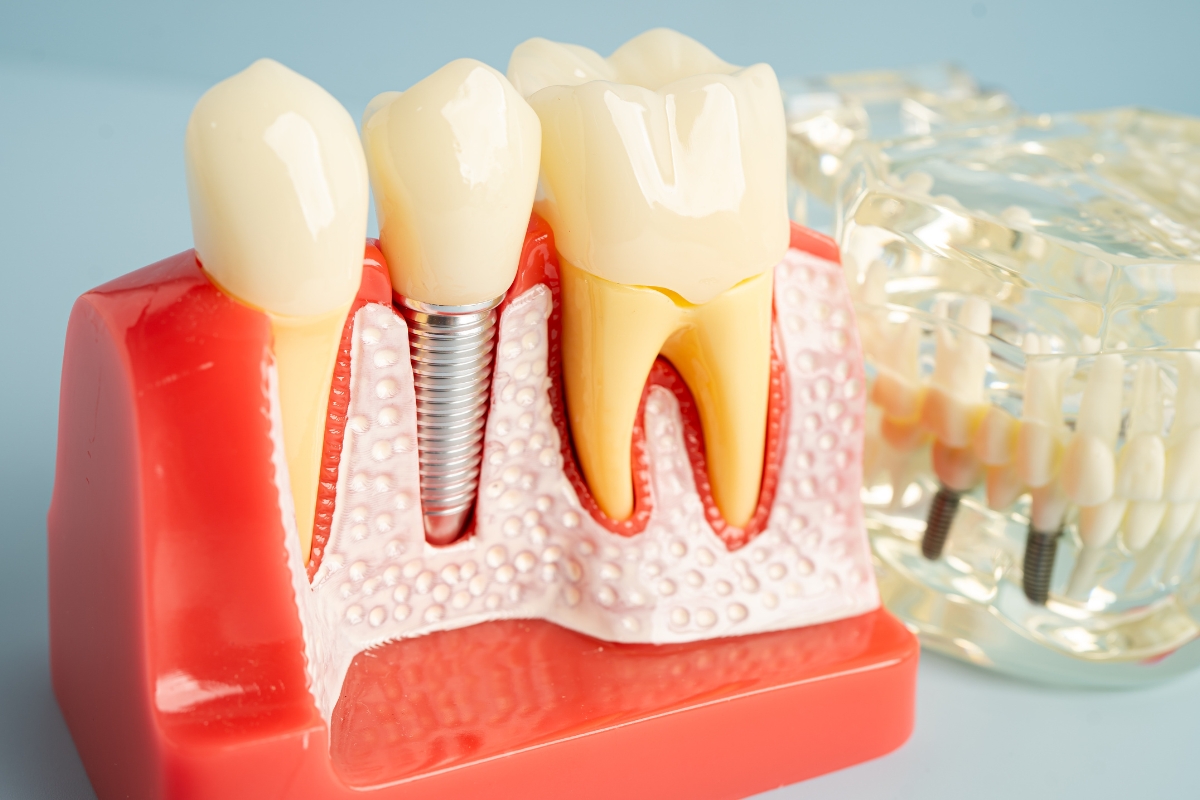
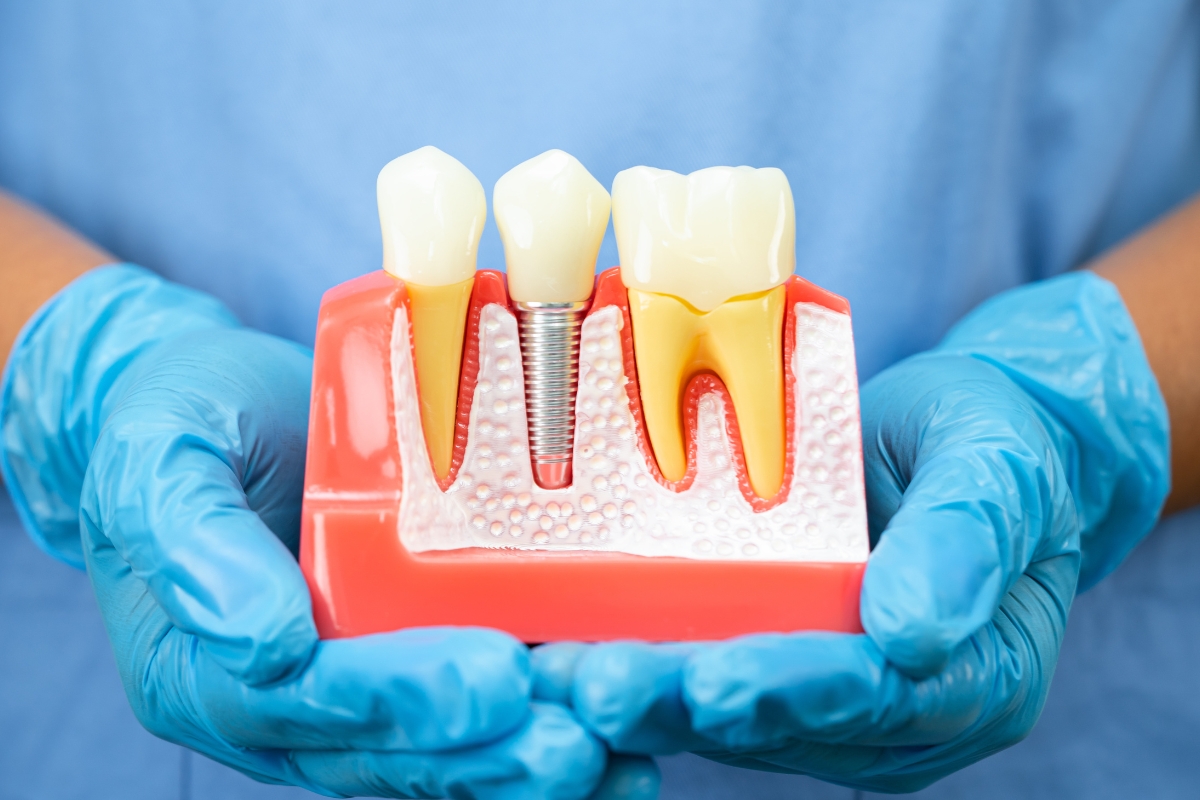
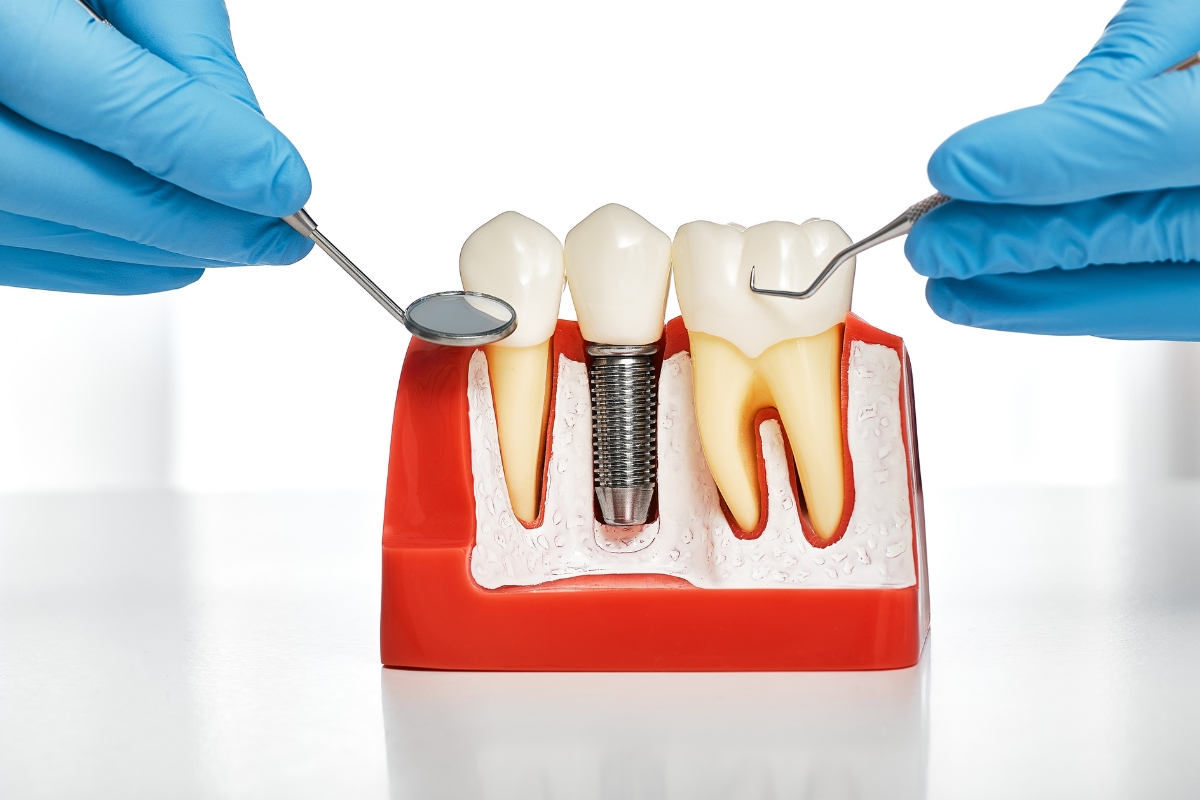
If you’re considering permanent tooth replacements, one of the key concerns is pain and recovery. While it’s natural to feel some discomfort, understanding the recovery process can help you prepare for the best outcome. Dental implants in Tulsa offer a lifelong solution for missing teeth, but, like any surgery, they involve proper healing time. Fortunately, with the right care, the process can be comfortable and straightforward. Tulsa, with its vibrant culture and laid-back lifestyle, is home to a community that values both dental health and convenience. Whether you’re out enjoying the local coffee culture at Hodges Bend or taking in the views from Tulsa’s Gathering Place, knowing what to expect after your procedure can help you move forward confidently.
What To Expect During The Recovery From Implant Surgery?
After getting dental implants in Tulsa, the recovery process can vary from patient to patient. It depends on individual health and the complexity of the procedure. Usually, you’ll experience some discomfort in the first few days after the procedure as your body adjusts to the newly placed tooth implants. This is normal and part of the healing process.
Locals enjoy outdoor adventures like hiking at Turkey Mountain, which are part of the local lifestyle. It’s important to plan for rest and recovery, particularly during the first week. You may experience swelling and minor bleeding, but these symptoms generally subside within a few days. It’s essential to follow your dental implant dentist’s instructions carefully to ensure a smooth recovery.
Managing Pain And Discomfort After The Procedure
While pain after post surgery is usually mild and temporary, it’s important to manage it effectively to ensure optimal healing. You’ll likely be prescribed pain relief medication for the first few days. Over-the-counter medications, like ibuprofen, can also help control discomfort.
The community’s warm climate and relaxed pace of life allow for a great recovery environment. Whether you’re relaxing at LaFortune Park or visiting The Woody Guthrie Center, taking time to rest and let your body heal is essential. Avoid strenuous activities like lifting heavy objects or engaging in vigorous exercise until your dentist gives you the green light. This will prevent any unnecessary strain on your implants and allow for proper integration with your jawbone.
How Prosthetic Teeth Healing Progresses: A Week-by-Week Breakdown
If you’ve recently received dental implants or are considering them, you likely have questions about the healing process. This post will break down the recovery stages, so you know exactly what to expect.
Week 1: Immediate Recovery After Surgery
The first few days after your surgery are crucial for healing. You will experience swelling and discomfort, which is normal. Ice packs, rest, and prescribed pain relievers will help.
- Pain and Swelling: Mild discomfort and swelling around the implant site are expected.
- Diet: Stick to soft foods that don’t require chewing, such as yogurt and mashed potatoes.
Week 2-4: Early Healing Phase
During these weeks, the body continues healing, but the focus shifts to osseointegration—the process by which the fixture fuses with the bone. Most of the discomfort should subside, and you may return to regular activities.
- Diet: Gradually introduce solid foods, but avoid sticky or hard foods that could disrupt healing.
- Follow-up Appointments: You may need a check-up with your dental implant dentist in Tulsa to monitor progress.
Week 4-6: Osseointegration Continues
By now, the implant is beginning to bond with the bone, but it’s not yet fully stable. You’ll likely feel much better, but avoid stressing the implant site.
- Monitor Healing: At this point, the implant will feel more stable but still requires care to avoid any issues.
- Diet: Stick to softer foods to avoid putting pressure on the implant.
Week 6-12: Preparing For Final Restoration
After around six weeks, osseointegration should be complete. The professional will assess whether the implanted teeth are stable enough for the final restoration.
- Abutment Placement: The connector (abutment) will be placed, followed by impressions to design your permanent crown.
- Minor Discomfort: You may experience slight tenderness at the abutment site, which will pass quickly.
Month 3-6: Complete Healing
By this stage, your prosthetic teeth will be fully integrated into your bone. A permanent crown will be placed, and you will be able to eat and speak as usual.
- Permanent Restoration: Once the crown is placed, you will notice full functionality and comfort.
- Ongoing Care: Practice good oral hygiene to maintain the health and longevity of your implant.
When To Seek Help During Recovery?
It’s normal to experience some discomfort during recovery, but certain symptoms may indicate complications. Contact your dentist if you notice:
- Severe pain that doesn’t improve with medication
- Excessive bleeding that doesn’t stop
- Signs of infection, such as pus or fever
Prompt attention ensures any issues are addressed early, protecting your investment in permanent tooth replacements.
How A Dentist Can Help During The Recovery Process?
After receiving artificial tooth roots, a dentist plays a critical role in ensuring a smooth and successful recovery. Here’s how they can support you during the healing process:
- Monitor Healing Progress: Regular check-ups to ensure your implants are integrating properly with your jawbone.
- Adjustments as Needed: If necessary, your dentist will make adjustments to ensure comfort and optimal fit.
- Provide Guidance on Care: Personalized tips on post-surgery care, including how to clean your implants and what foods to avoid.
- Answer Questions: Always available to address concerns, ensuring your recovery stays on track.
What Our Patients Are Saying
“ I’m not a big fan of the dentist experience, but I’ve been going here for years. I couldn’t ask for a better dentist than Mose Family Dentistry. They take any fear and concerns in seeing a dentist seriously by making you feel as comfortable as possible in a dentist’s chair.”
— R. Diggs
Want to know what others think? See our patients’ Google reviews and trust your decision.
We’re Here To Guide You Every Step Of The Way
At Mose Family Dentistry, we understand that the journey to a healthy, beautiful smile can be both exciting and challenging. That’s why we are here to support you through every phase of the process, from the initial consultation to the final restoration.
Our dedicated team of professionals, including a trained dental implant dentist in Tulsa, is committed to providing personalized care to your needs. Whether you’re looking for guidance during your recovery or need ongoing support for the life of your implants, we’re here for you.
Schedule a consultation with us today, and let us help you fill the gap in your smile and achieve a fuller smile with improved oral function.
Frequently Asked Questions
Q. Will my dental implant surgery hurt?
Most patients feel little to no pain during the implant procedure because local anesthesia numbs the area. Some discomfort or pressure may be felt afterward, but it’s usually manageable with pain relief and proper care.
Q. How long does pain last after getting a dental implant?
Discomfort typically peaks within the first 48–72 hours as anesthesia wears off and then begins to fade. Most people experience mild soreness for about 3–10 days, diminishing as healing progresses.
Q. What should normal implant recovery feel like?
It’s normal to have tenderness, swelling, and mild pain soon after surgery, especially in the first few days. These symptoms gradually improve and should not significantly disrupt daily life if healing is on track.
Q. When should I contact my dentist during recovery?
If pain or swelling worsens after the initial few days, or if you notice signs of infection or unusual symptoms, reaching out promptly is important. Persistent or severe discomfort isn’t typical and may signal a complication that needs evaluation.
Q. Why do dental implants hurt more at certain times?
Pain intensity can vary because your body is actively healing and inflammation peaks early in recovery. Factors like individual pain tolerance, number of implants, and adherence to aftercare instructions influence how discomfort feels.