5602 S Memorial Dr, Tulsa, OK 74145
Is Professional Teeth Whitening Worth It? Here’s What You Need to Know

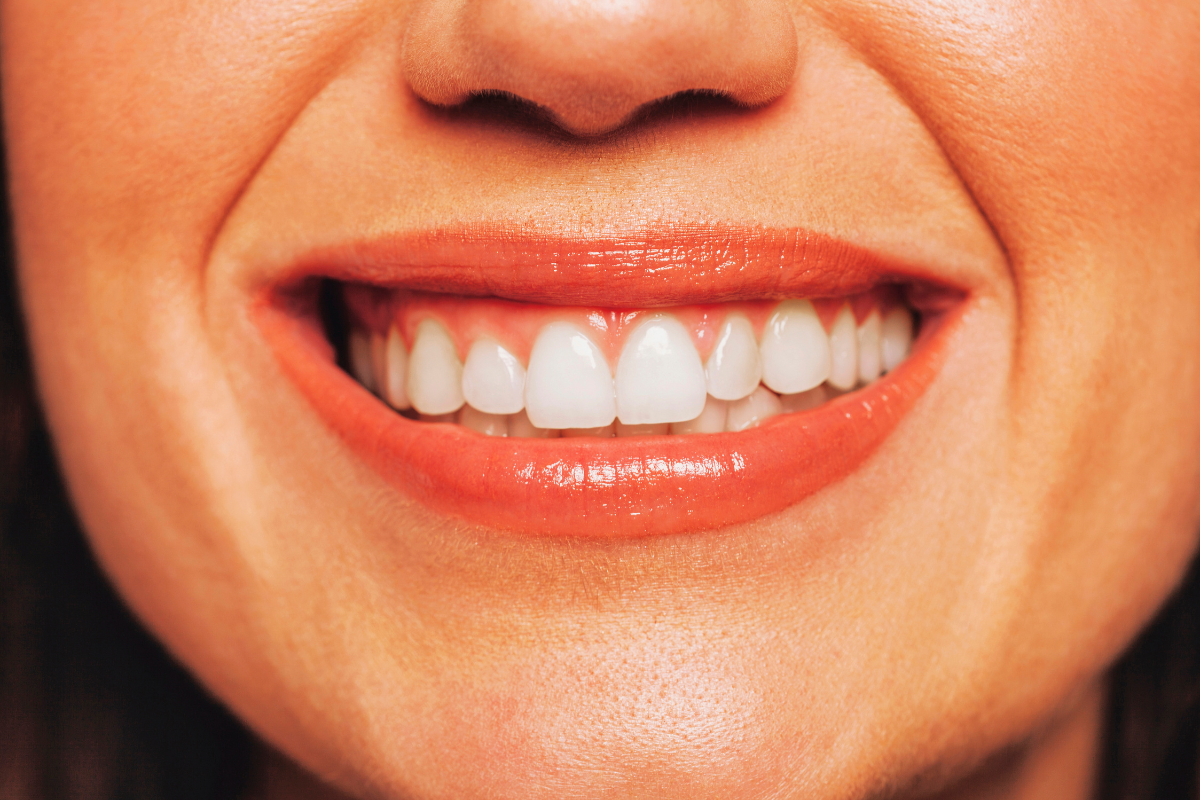
Have you noticed that your teeth look darker or more stained than they once did? Coffee, tea, tobacco, certain foods, aging, and everyday habits can gradually change tooth color. When whitening toothpaste or store-bought strips provide only limited improvement, it is reasonable to wonder whether dental whitening is worth the additional expense.
For patients considering teeth whitening in Tulsa, the answer depends on the type of discoloration, current oral health, existing dental restorations, and desired results.
At Mose Family Dentistry, Dr. Mose evaluates these factors before recommending professional teeth whitening. Understanding what you are paying for, including dental supervision and treatment planning, can help you decide whether whitening makes sense for your smile.
What Are You Actually Paying for With Professional Teeth Whitening?
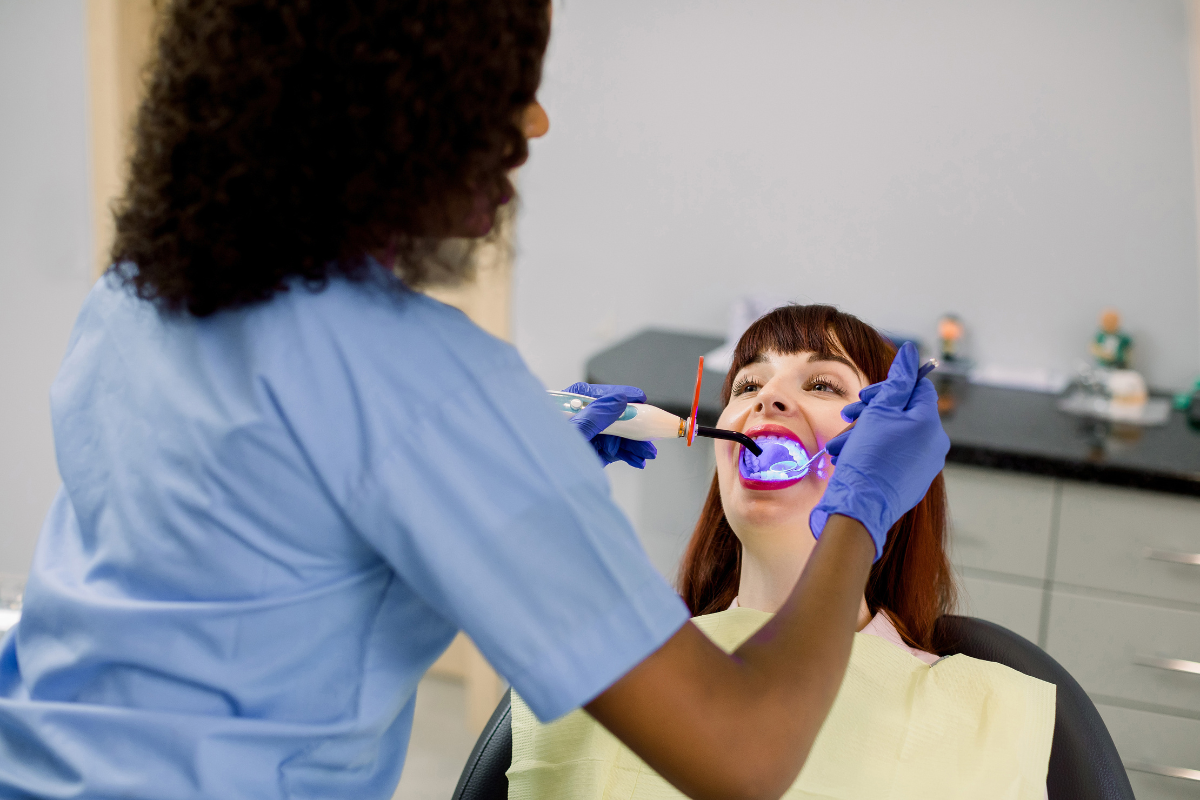
The cost covers more than a whitening product. It includes a dental evaluation, an appropriate whitening approach, professional supervision, and measures designed to protect the surrounding oral tissues.
Whitening agents typically use hydrogen peroxide or carbamide peroxide to break down colored compounds within teeth. However, not every type of discoloration responds in the same way.
A dental evaluation can identify concerns that should be addressed before whitening. These may include cavities, gum inflammation, exposed root surfaces, cracks, or existing sensitivity.
This distinction matters because simply applying a stronger whitening product does not automatically make treatment appropriate.
Why Does the Type of Tooth Stain Matter?
A major factor in determining whether professional teeth whitening offers value is the cause of the discoloration.
Extrinsic Stains
Extrinsic stains develop on the outer tooth surface. Common contributors include:
- Coffee and tea
- Red wine and dark beverages
- Tobacco use
- Highly pigmented foods
- Plaque and surface buildup
These stains may respond well to professional cleaning or whitening, depending on their extent.
Intrinsic Discoloration
Intrinsic discoloration occurs within the tooth structure. Aging, dental trauma, developmental conditions, and certain medications can contribute to these color changes.
Intrinsic discoloration can respond differently from ordinary surface staining. Some cases may require another cosmetic dentistry approach rather than repeated bleaching.
Identifying the stain before treatment helps prevent unnecessary expense on a method unlikely to produce the desired change.
Is Professional Whitening Better Than Store-Bought Products?
Professional care offers an important advantage: the whitening process begins with an assessment of your teeth rather than a one-size-fits-all product.
Over-the-counter whitening strips, gels, and toothpastes can improve certain surface stains. They may be reasonable for someone seeking a modest change.
However, patients often consider professional teeth whitening when they want dentist-supervised care or have concerns about uneven discoloration or sensitivity.
The cosmetic dentist in Tulsa can also evaluate visible crowns, bonding, veneers, or tooth-colored fillings before treatment. Whitening agents lighten natural tooth structure but do not whiten these restorations in the same way.
That assessment can be particularly valuable when restorations are visible within the smile.
What Makes Professional Whitening Worth the Investment?
The value of professional teeth whitening is clearer when you consider more than the initial price.
1. Treatment Starts With an Oral Health Evaluation
A dentist can determine whether discoloration is cosmetic or associated with another dental concern. This prevents whitening from becoming a substitute for necessary dental care.
2. Treatment Can Be Planned Around Sensitivity
Temporary tooth sensitivity and gum irritation are recognized side effects of whitening. A dental team can consider your history of sensitivity and recommend an appropriate approach.
3. Expectations Are More Realistic
Natural teeth vary in their response to bleaching. The goal should be an appropriate improvement rather than an artificially white shade or a guaranteed number of shades.
4. Existing Dental Work Can Be Considered
Crowns, veneers, bonding, and fillings can affect the final appearance of the smile. Evaluating them beforehand reduces the chance of unexpected shade differences.
For patients exploring teeth whitening in Tulsa, these clinical considerations can be as important as the whitening itself.
When Might Whitening Not Be the Right First Choice?
Whitening is not automatically appropriate for every discolored tooth.
For example, a single tooth that suddenly becomes darker may require evaluation before cosmetic treatment. Likewise, active decay, gum problems, damaged teeth, or significant sensitivity may need to be addressed first.
Whitening also cannot change the color of existing crowns, veneers, or fillings. In other cases, discoloration may be too deep or complex to respond sufficiently to bleaching.
This is why an examination matters. If you are unsure what is causing your tooth discoloration, contact us for an evaluation before spending money on multiple whitening products.
How Long Can Teeth Stay White After Treatment?
Whitening does not permanently prevent future staining. How long an improvement remains noticeable varies with diet, oral hygiene, tobacco exposure, and other habits.
You can help preserve a brighter appearance by:
- Brushing twice daily with fluoride toothpaste
- Flossing consistently
- Keeping regular dental cleaning appointments
- Limiting frequent exposure to strongly pigmented foods and beverages
- Rinsing with water after coffee, tea, or other staining drinks
- Avoiding tobacco products
Patients who continue habits associated with staining may notice discoloration returning sooner. Maintenance should therefore be considered when deciding whether professional teeth whitening provides worthwhile long-term value.
So, Is Professional Teeth Whitening Worth the Cost?
It can be worthwhile for patients who want noticeable whitening with professional evaluation and supervision, provided their teeth and gums are suitable for treatment.
The decision becomes less about choosing the cheapest whitening method and more about choosing an appropriate method for your teeth.
Someone with mild surface staining may be satisfied with a conservative approach. A patient with substantial discoloration, visible restorations, previous sensitivity, or disappointing results from store-bought products may place greater value on dental supervision.
A consultation also gives you an opportunity to discuss expected results, limitations, maintenance, and alternatives before committing to treatment.
Make an Informed Choice for a Brighter Smile
A brighter smile should begin with understanding why your teeth are discolored and whether whitening can realistically address it. At Mose Family Dentistry, Dr. Mose can assess your teeth, discuss your cosmetic goals, and explain whether professional teeth whitening is appropriate for you.
If you are considering teeth whitening in Tulsa, visit our dental office for a personalized evaluation. Schedule an appointment with Mose Family Dentistry to learn what approach may provide the right balance of appearance, comfort, and long-term value for your smile.
Frequently Asked Questions(FAQ’s)
Can Professional Whitening Remove Stains Caused By Smoking?
Tobacco commonly causes external staining that may respond to whitening. The degree of improvement depends on the extent of the discoloration and whether deeper color changes are also present. A dental examination can determine the type of staining and whether professional teeth whitening is appropriate before treatment begins.
Why Do My Teeth Still Look Yellow After Using Whitening Toothpaste?
Whitening toothpaste mainly helps remove certain surface stains. It cannot necessarily change deeper discoloration or the tooth’s natural underlying shade. Persistent yellowing may therefore require a different approach. A dental evaluation can identify the cause and determine whether professionally supervised whitening is likely to provide a noticeable improvement.
Will Whitening Make Crowns, Fillings, Or Veneers Lighter?
No. Dental restorations do not respond to bleaching agents like natural tooth structure. Whitening natural teeth around existing restorations can therefore create a visible shade difference. Having the smile evaluated first allows the dentist to explain this limitation and discuss how existing dental work could affect the overall cosmetic result.
Should I Have My Teeth Cleaned Before Whitening?
A dental examination can determine whether plaque, tartar, or surface deposits are contributing to discoloration. In some cases, cleaning may be appropriate before cosmetic whitening. It also gives the dental team an opportunity to evaluate the teeth and gums and identify oral health concerns that should receive attention before bleaching.
Is Tooth Sensitivity Normal After Whitening?
Temporary sensitivity can occur with tooth whitening, and some people are more susceptible than others. Existing sensitivity, exposed root surfaces, and other dental conditions should be discussed before treatment. A dental evaluation allows the whitening approach to be considered in light of your oral health and sensitivity history.