5602 S Memorial Dr, Tulsa, OK 74145
How Quality Dental Care Supports a Healthier, More Confident Smile

A healthy smile is not simply about having bright, attractive teeth. It depends on healthy gums, strong tooth structure, a comfortable bite, and consistent preventive habits. While brushing and flossing at home are essential, professional dental care provides another layer of protection by identifying changes that may be difficult to notice on your own.
Many oral health concerns begin quietly. A small cavity may cause no discomfort. Early gum inflammation can develop before noticeable symptoms appear. Existing fillings or crowns may also show signs of wear before they begin causing problems. Regular dental visits give your dental team opportunities to identify these changes and recommend appropriate care.
At Mose Family Dentistry, we approach dental care with long-term oral health in mind. Dr. John D. Mose III provides comprehensive dental care for patients in Tulsa, helping them understand their oral health and make informed decisions about maintaining their smiles.
What Does Quality Dental Care Really Mean?
Quality dental care combines prevention, diagnosis, patient education, and treatment when necessary. Rather than focusing only on problems that already hurt, quality dental care aims to maintain healthy teeth and gums while identifying developing concerns as early as possible.
For patients visiting a dentist in Tulsa, routine care may involve:
- Comprehensive dental examinations
- Professional teeth cleanings
- Digital dental X-rays when clinically appropriate
- Cavity screening
- Gum health evaluations
- Assessment of existing restorations
- Oral hygiene guidance
- Restorative treatment when needed
At our practice, patients can also seek routine dental care, periodontal health care, bridges, and extractions. The appropriate treatment depends on the condition of your teeth, gums, bite, and overall oral health.
Why Are Routine Dental Visits Important Even When Your Teeth Feel Fine?
A key principle we share with patients is that not experiencing pain doesn’t always indicate they are disease-free.
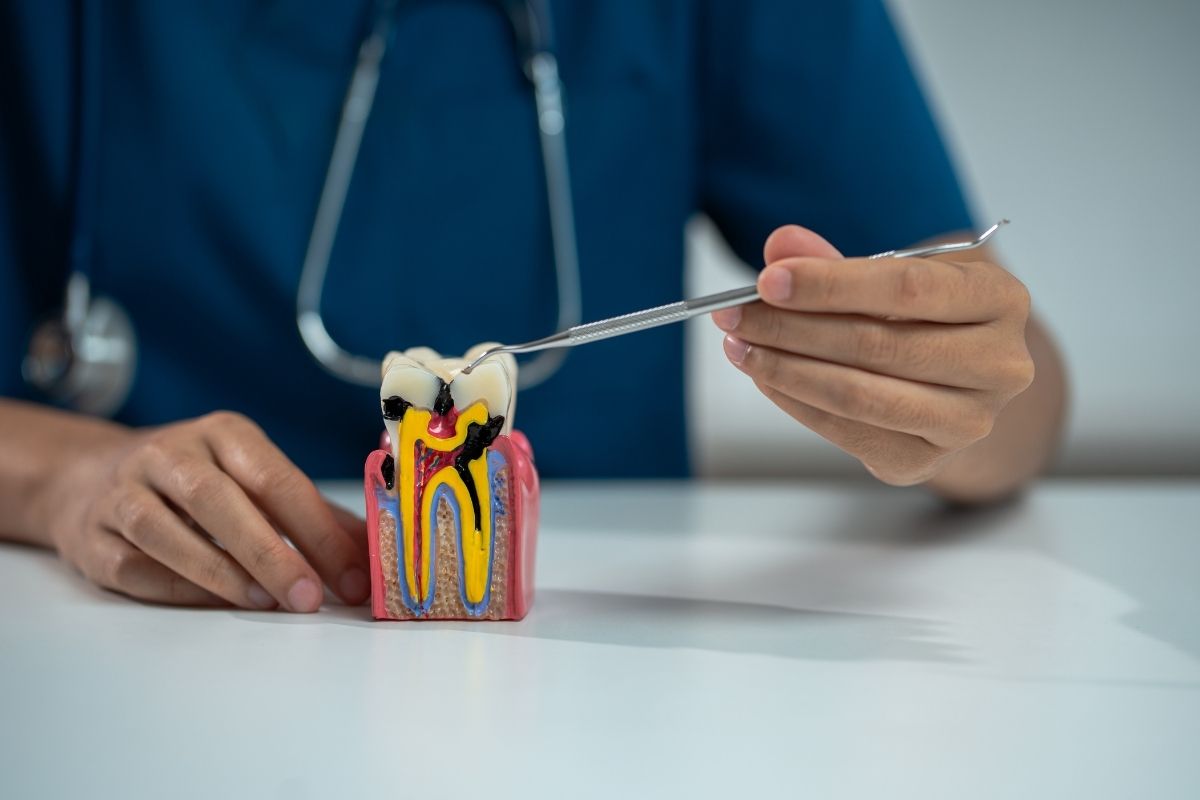
Tooth decay may remain unnoticed until it reaches deeper layers of the tooth. Gum disease can also progress gradually. By the time a tooth becomes painful or gums become significantly swollen, the condition may require more involved treatment.
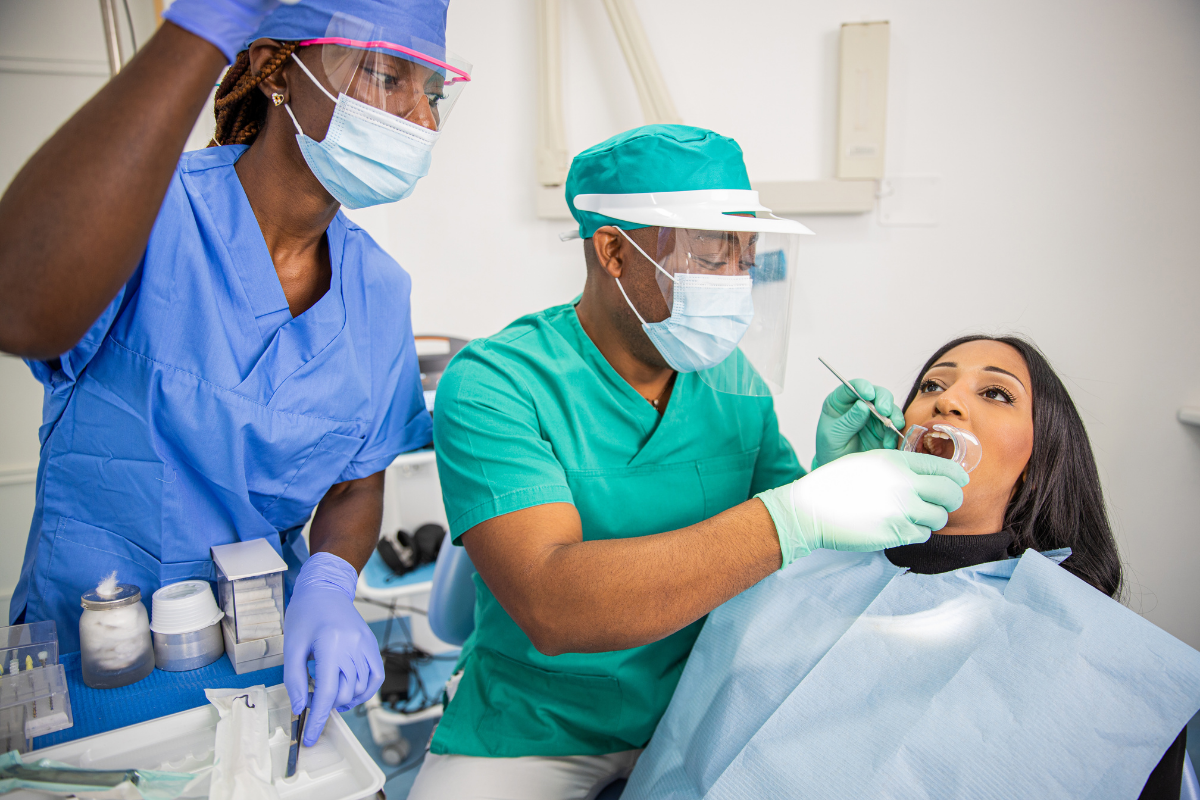
Routine examinations allow us to look for changes before they become more difficult to manage. Depending on your needs, an examination may evaluate your:
- Teeth for decay, cracks, or wear
- Gums for inflammation or periodontal concerns
- Existing fillings, crowns, or other restorations
- Bite and chewing function
- Areas that appear unusual or require further evaluation
Regular monitoring creates a dental history as well. Comparing findings from one visit to another can help identify subtle changes that might otherwise go unnoticed.
How Do Professional Dental Cleanings Protect Your Smile?
Daily brushing and flossing remove plaque and food debris, but certain areas of the mouth can be difficult to clean thoroughly. When plaque remains on the teeth, it can harden into tartar, also called calculus.
Once tartar develops, regular brushing cannot reliably remove it.
Professional dental cleanings remove plaque and tartar from areas that may be difficult to reach at home. Polishing can also remove some external staining and leave the teeth feeling smoother and cleaner.
These appointments provide an opportunity to evaluate your home-care routine. If plaque repeatedly accumulates around particular teeth, we can discuss brushing angles, flossing methods, or other cleaning tools that may make daily care more effective.
Professional cleaning and consistent home care work together. Neither should be viewed as a substitute for the other.
How Does Preventive Care Reduce Future Dental Problems?
Preventive care focuses on reducing risk and detecting problems early rather than waiting until significant damage occurs.
For example, identifying a small area of decay may allow it to be treated before more tooth structure becomes involved. Recognizing early gum inflammation provides an opportunity to improve plaque control before periodontal problems progress.
Preventive care also includes education. Your everyday choices have a significant influence on your oral health.
Important habits include:
- Brushing twice daily with fluoride toothpaste
- Cleaning between your teeth every day
- Limiting frequent exposure to sugary foods and beverages
- Drinking adequate water
- Avoiding tobacco products
- Protecting your teeth during contact sports
- Following your recommended dental examination and cleaning schedule
The goal is not simply to respond to dental disease. It is to create habits and a professional care schedule that help reduce your risk of developing it.
Healthy Gums Are Essential for a Healthy Smile
Teeth often receive most of the attention when people think about oral health, but your gums and supporting bone are equally important.
Plaque accumulation along the gumline can cause inflammation. Early signs may include redness, tenderness, swelling, or bleeding during brushing and flossing. Persistent bad breath or changes around the gumline can also indicate that an evaluation is needed.
If inflammation progresses into periodontal disease, the tissues and bone supporting the teeth may become affected.
That is why gum evaluation is an important part of general dental care. Professional cleanings help control deposits around the teeth, while regular examinations allow us to monitor changes in gum health.
Patients should also tell their dental team about bleeding gums rather than assuming bleeding is normal. Understanding the cause is the first step toward addressing it.
Why Dental X-Rays May Be Part of Your Care
Not every dental problem can be detected through a visual examination alone.
Dental X-rays can provide information about areas that are difficult or impossible to see directly, including portions of teeth below the gumline and areas between teeth. They may help identify hidden decay, changes around tooth roots, bone changes, and other concerns.
At Mose Family Dentistry, digital X-ray technology is among the technologies available to support dental diagnosis and treatment planning.
The frequency and type of dental X-rays should be based on individual clinical needs rather than a single schedule for every patient. Your dental history, age, symptoms, previous findings, and risk factors can influence when imaging is appropriate.
How Oral Health Can Affect Smile Confidence
Feeling confident about your smile often begins with feeling comfortable and healthy.
Persistent bad breath, visible decay, damaged teeth, missing teeth, staining, or gum problems can make some people reluctant to smile or speak freely. Addressing the underlying oral health issue can improve function while also changing how someone feels about their smile.
We generally recommend establishing health first. Once teeth and gums are stable, patients who want to change the appearance of their smiles can discuss appropriate cosmetic options.
Mose Family Dentistry provides cosmetic services such as teeth whitening, bonding, and white fillings in addition to general and restorative dentistry. This allows dental health and appearance to be considered as parts of a broader smile plan.
What Role Does Patient Education Play in Long-Term Dental Health?
Dental treatment happens in the office, but most oral care happens at home.
That makes patient education an essential part of dental care. Understanding why a cavity developed, why gums are bleeding, or why plaque repeatedly accumulates in one area can help you make practical changes between appointments.
Effective dental guidance should be specific rather than generic.
For example, someone with crowded teeth may need additional help cleaning between certain areas. A person with a dental bridge may need a different flossing technique. Someone prone to cavities may benefit from discussing fluoride use and dietary habits.
Our role is not simply to identify a problem. We want patients to understand what is happening and what they can do each day to protect their oral health.
How Often Should You Schedule Dental Visits?
Many adults benefit from routine examinations and professional cleanings approximately every six months. However, there is no universal schedule that fits every patient.
People with periodontal disease, frequent cavities, certain medical considerations, or other oral health risk factors may require more frequent care. Someone with stable oral health may have different monitoring needs.
Your dentist should recommend a schedule based on your individual oral health rather than relying solely on a general timeline.
If it has been a while since your last appointment, do not wait for pain before scheduling an examination. A preventive visit can establish your current oral health status and identify areas that may require attention.
When Should You See a Dentist Before Your Routine Appointment?
Routine visits are important, but some symptoms should be evaluated rather than left until your next scheduled cleaning.
Contact your dental office if you develop:
- Persistent tooth pain
- Swelling of the gums, face, or jaw
- Bleeding gums that continue regularly
- A cracked, chipped, or broken tooth
- A loose permanent tooth
- Persistent sensitivity to hot or cold
- A lost or damaged filling or crown
- Difficulty chewing
- Persistent bad breath despite proper hygiene
- An unusual sore or change in the mouth that does not resolve
Symptoms are your body’s way of indicating that something may need attention. Earlier assessment can clarify the cause and determine whether treatment is necessary.
Build a Healthier Smile With Consistent Dental Care in Tulsa
Long-term oral health is built through small, consistent actions. Daily brushing, interdental cleaning, thoughtful food choices, professional cleanings, and regular dental examinations all contribute to protecting your teeth and gums.
Quality care should also help you understand your oral health rather than leave you uncertain about it. When you know what is happening in your mouth and why a treatment or preventive measure is recommended, you can make more informed decisions about your care.
If you are looking for a dentist in Tulsa to help maintain your oral health, Mose Family Dentistry provides preventive, general, restorative, and cosmetic dental services in Tulsa.
Ready to take the next step toward a healthier smile? Schedule an appointment and let us help you create a practical plan for maintaining your teeth, gums, function, and smile confidence.
Frequently Asked Questions (FAQ’s)
1. How often should I have a dental exam and professional cleaning?
Many patients benefit from dental exams and professional cleanings every six months. However, people with periodontal disease, frequent cavities, significant tartar buildup, or certain health concerns may require a more frequent schedule recommended by their dentist.
2. Why do I need professional cleanings if I brush and floss every day?
Brushing and flossing control plaque, but they cannot reliably remove hardened tartar. Professional cleanings remove deposits from difficult areas, helping reduce gum inflammation and allowing the dental team to evaluate areas that need additional home-care attention.
3. What happens during a routine dental checkup?
A routine checkup generally includes an examination of your teeth and gums, evaluation for cavities and periodontal concerns, assessment of existing restorations, and X-rays when clinically appropriate. Your dentist may also discuss preventive recommendations and treatment needs.
4. How can I tell if I may have gum disease?
Possible signs include gums that bleed easily, persistent redness or swelling, gum recession, ongoing bad breath, tenderness, and loose teeth. Because early periodontal disease may cause few noticeable symptoms, professional gum evaluations remain important for detection.
5. Are dental X-rays necessary at every appointment?
No. Dental X-ray frequency depends on your age, oral health, dental history, symptoms, and risk factors. Your dentist determines when imaging is clinically appropriate to identify concerns that may not be visible during a standard examination.
6. Can preventive dentistry actually help reduce cavities?
Preventive care can lower cavity risk through professional cleanings, regular examinations, fluoride exposure, appropriate home hygiene, and dietary guidance. Early identification of enamel changes can also provide an opportunity to address risks before decay becomes more extensive.
7. When should I schedule a dental appointment for tooth sensitivity?
Schedule an evaluation when sensitivity persists, becomes stronger, affects one particular tooth, or occurs with pain when biting. Sensitivity can have several causes, including enamel wear, decay, gum recession, cracks, or problems with existing restorations.