5602 S Memorial Dr, Tulsa, OK 74145
What Can a Cosmetic Dentist Do to Improve Your Smile?


Your smile is often one of the first things people notice about you. When you feel comfortable with it, smiling can come naturally during conversations, photographs, work meetings, and social occasions. But stains, chips, small cracks, decay, or uneven-looking teeth may make you more hesitant to show your smile.
Cosmetic dentistry focuses on improving these visible concerns while taking your oral health into account. Rather than approaching every smile the same way, a dentist evaluates your teeth, discusses what bothers you, and determines which improvements are appropriate for your needs.
At Mose Family Dentistry, Dr. John D. Mose III provides cosmetic dental care for patients in Tulsa, Oklahoma, with an emphasis on creating healthy, natural-looking smiles. If you have been thinking about changing something about your smile, visit our Tulsa dental office to discuss your concerns and learn which cosmetic options may be appropriate for you.
What Does a Cosmetic Dentist Do?
These dental specialists focus on improving the visible characteristics of teeth, including their color, shape, proportion, and overall appearance. However, cosmetic treatment should begin with more than simply choosing how you want your teeth to look.
Before recommending treatment, we examine the condition of your teeth and gums. Existing decay, damaged teeth, or other oral health concerns may need attention as part of the treatment planning process.
A cosmetic dentist in Tulsa can then help determine which cosmetic procedure addresses the specific feature you want to change. Some people want brighter teeth, while others may want to conceal a small chip, repair a damaged area, or make a restoration blend more naturally with neighboring teeth.
The objective is not necessarily to create a dramatically different smile. In many cases, relatively small changes can make the smile appear cleaner, brighter, and more balanced.
What Smile Concerns Can Cosmetic Dentistry Address?
People seek cosmetic dental care for many different reasons. Some concerns develop gradually as teeth change with age and everyday habits. Others result from tooth damage or decay.
Common concerns include:
- Yellow or stained teeth
- Small chips and fractures
- Minor cracks
- Decayed areas that require filling
- Small spaces between certain teeth
- Uneven tooth appearance
- Older restorations that are noticeable when smiling
During a cosmetic consultation, we look at the concern in the context of your entire smile. This is important because changing one tooth can influence how surrounding teeth appear.
Your goals also matter. A patient seeking a subtle improvement may need a different approach from someone who has several visible concerns.
How Professional Teeth Whitening Can Refresh Your Smile
Tooth discoloration is one of the most common reasons people become dissatisfied with their smiles. Coffee, tea, certain foods, tobacco use, medications, aging, and everyday wear can all contribute to discoloration.
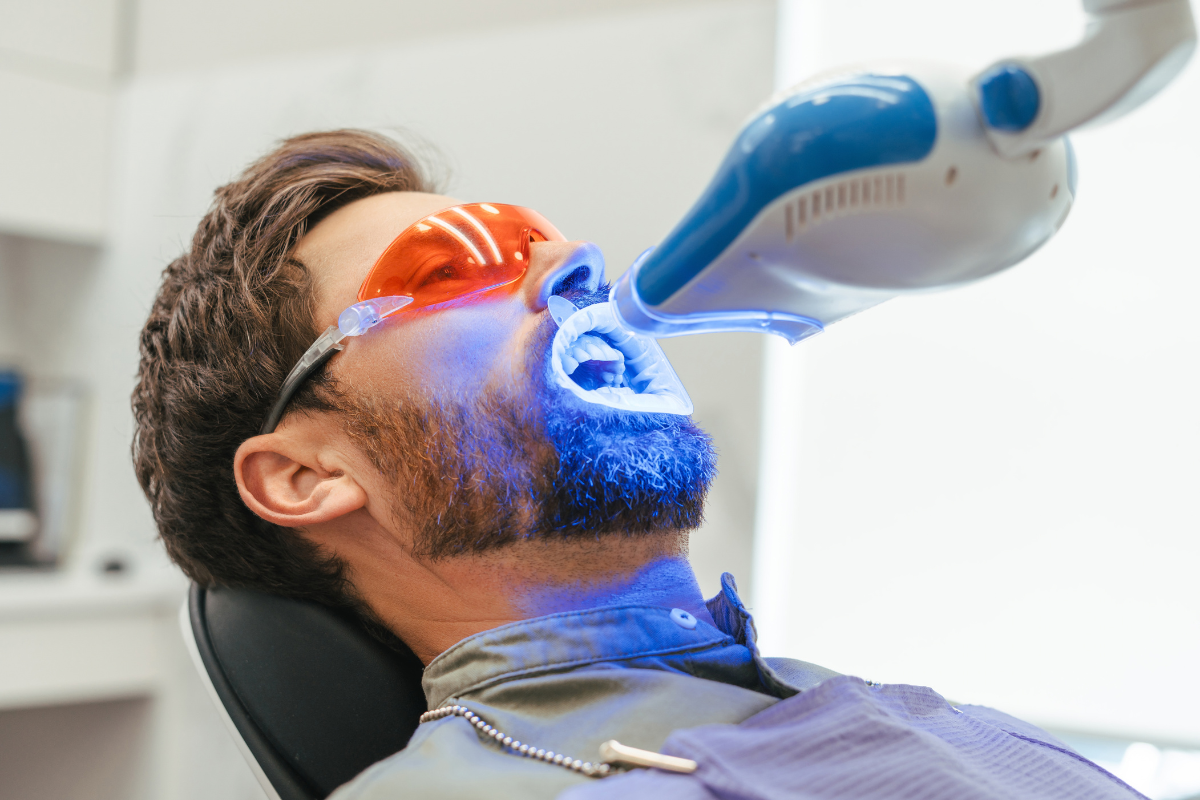
Professional teeth whitening is designed to reduce visible staining and brighten the natural appearance of teeth. At Mose Family Dentistry, teeth whitening is one of the cosmetic services we provide to patients who want to improve tooth color.
One important advantage of consulting a dentist before whitening is determining whether bleaching is suitable for the type of discoloration you have. Not every stain responds to whitening in exactly the same way.
Existing fillings and other dental restorations also do not necessarily change color like natural enamel. Evaluating these factors beforehand helps establish realistic expectations.
A brighter smile can create a noticeable visual change without altering the shape of your natural teeth. For many patients, that makes whitening a practical starting point when discoloration is their primary concern.
How Dental Bonding Can Improve Minor Smile Imperfections
Dental bonding offers another way to address certain visible imperfections. Bonding involves applying a tooth-colored composite resin to an affected tooth and shaping it to improve its appearance.
Depending on the clinical situation, bonding may be considered for concerns such as:
- Minor chips
- Small cracks or fractures
- Small spaces between teeth
- Irregular-looking tooth edges
- Areas of discoloration
- Minor shape concerns
The composite material can be selected to coordinate with the surrounding tooth structure, helping the treated area appear natural.
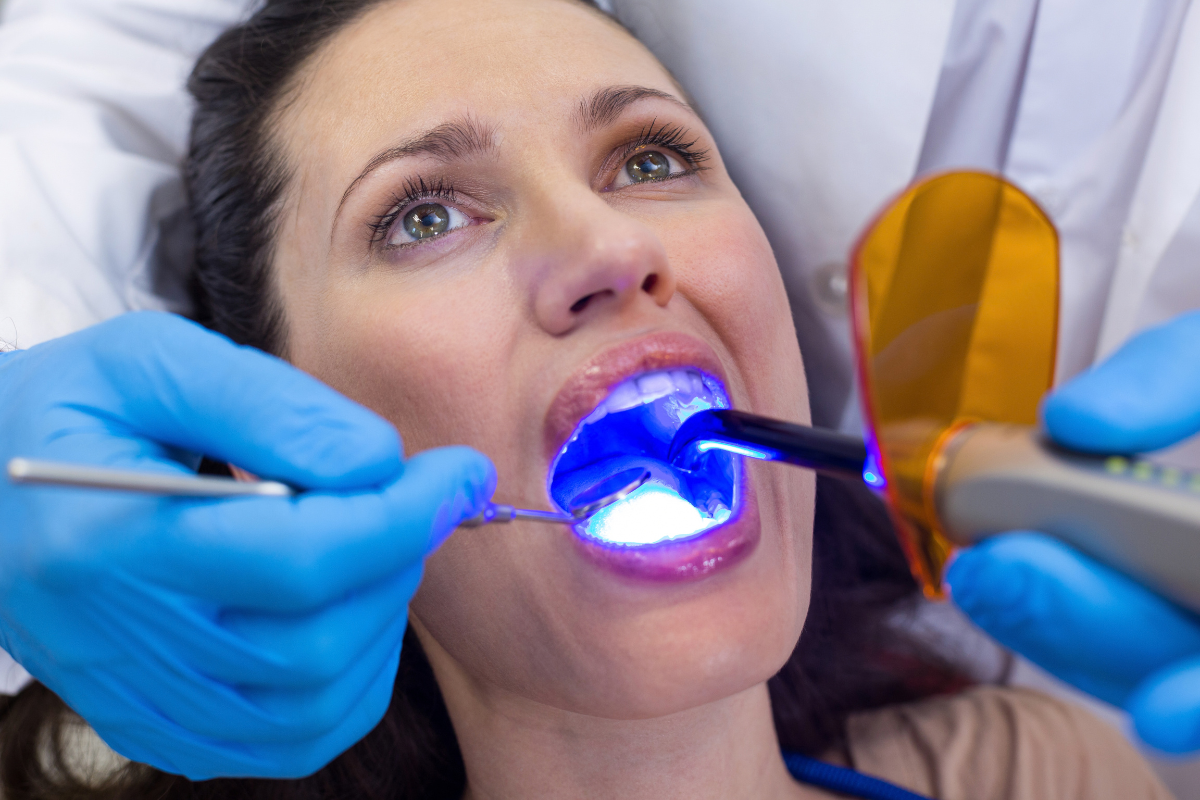
At our Tulsa practice, bonding material is applied to the affected area and hardened so it becomes securely attached to the tooth. The material can then be shaped and refined to complement the rest of the smile.
For the right candidate, bonding can produce a meaningful cosmetic improvement while preserving much of the natural tooth.
Why White Fillings Matter for Both Appearance and Dental Health
A cavity may be primarily an oral health problem, but where the cavity appears can also affect the appearance of your smile. Tooth-colored, or white, fillings provide a way to repair certain damaged or decayed teeth while creating a less noticeable restoration.
Composite resin can be selected to resemble the shade of the surrounding tooth. This can make the restoration blend more naturally than a visibly contrasting material.
White fillings may also be used when a tooth has sustained certain cracks or fractures, depending on the extent and location of the damage.
From our perspective, this illustrates an important principle of cosmetic dental care: appearance and oral health often overlap. A restoration should address the dental problem first, but thoughtful material selection and placement can also preserve the natural appearance of the smile.
How Can Cosmetic Dentistry Improve Your Confidence?
Cosmetic dentistry cannot guarantee a change in self-confidence because everyone experiences their smile differently. However, improving a feature that has made you self-conscious may help you feel more comfortable showing your teeth.
Consider someone who routinely covers their mouth when laughing because of a chipped front tooth. Another person may avoid smiling in photographs because they are concerned about staining. Addressing those specific concerns may remove some of the hesitation associated with smiling.
That difference can matter in everyday situations, including:
- Family photographs
- Weddings and special occasions
- Job interviews
- Professional meetings
- Video calls
- Social gatherings
- Everyday conversations
The goal is not to create an artificial or overly uniform appearance. When patients visit a cosmetic dentist in Tulsa, we believe treatment should complement their facial features and existing teeth while addressing the concerns that matter to them.
What Happens During a Cosmetic Dentistry Consultation?
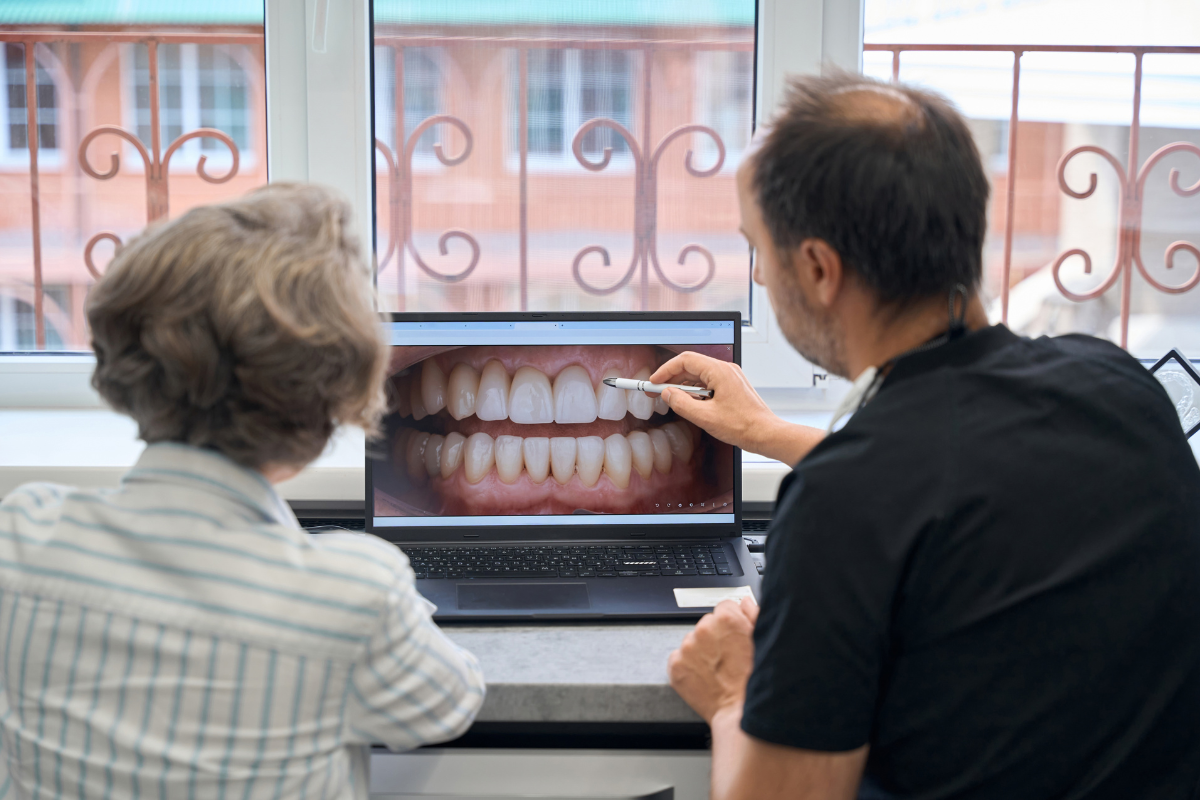
A cosmetic consultation should begin with a conversation. We want to understand what you notice about your smile, what you would like to change, and what result you consider natural.
Next comes a dental evaluation. We examine the teeth and surrounding oral structures to identify factors that may influence treatment. This step also helps determine whether cosmetic care can proceed or whether another dental concern should be addressed first.
We then discuss appropriate treatment possibilities and expected outcomes.
For example, a patient primarily concerned about staining may benefit from professional whitening. Someone with a small chip could be evaluated for bonding. A tooth affected by decay may require a white filling rather than treatment performed solely for cosmetic purposes.
This individualized planning helps avoid unnecessary treatment and allows patients to make informed decisions.
Why Natural-Looking Results Are Important in Cosmetic Dentistry
Successful cosmetic dentistry is not simply about making teeth as white or as uniform as possible. Teeth naturally vary in shape, translucency, shade, and proportion.
A cosmetic change that ignores those characteristics can look out of place.
When planning treatment, we consider how an improved tooth will relate to neighboring teeth. With bonding or a white filling, for example, the shade and shape of the composite material influence how naturally the restoration blends into the smile.
The same principle applies to whitening. The objective should be a brighter appearance that still complements your individual features.
These details are why professional assessment matters. Cosmetic dentistry combines clinical considerations with careful attention to appearance.
How Do You Know Which Cosmetic Treatment Is Right for You?
Start by identifying what specifically bothers you about your smile.
If discoloration is your primary concern, teeth whitening may be worth discussing. If you have a minor chip, small gap, or shape irregularity, dental bonding may be considered. If decay or certain types of tooth damage are involved, a white filling may help restore the tooth while maintaining a natural appearance.
Sometimes patients arrive believing they need one procedure and discover that another approach is more appropriate after an examination.
This is one reason online photographs and cosmetic dentistry trends should not replace a professional evaluation. Your teeth, enamel, existing dental work, oral health, and goals are unique.
Meeting with a cosmetic dentist in Tulsa gives you an opportunity to understand what can realistically be changed and what treatment would be required.
How Can You Maintain Your Cosmetic Dentistry Results?
Your habits after treatment play an important role in maintaining your smile.
Daily brushing and flossing remain fundamental. Routine dental examinations and professional cleanings can also help us monitor your teeth, restorations, and overall oral health.
If you have undergone whitening, limiting frequent exposure to strongly pigmented beverages and tobacco may help reduce new staining. If you have bonding or white fillings, avoid using your teeth to tear packaging, open containers, or bite very hard nonfood objects.
Composite restorations can require maintenance or replacement over time. Whitening results may also gradually fade as teeth encounter new stains.
Following your dentist’s recommendations and maintaining consistent preventive care can help protect both your cosmetic results and your oral health.
Take the First Step Toward a Smile You Feel Comfortable Sharing
Cosmetic dentistry is not about creating the same smile for every patient. It is about identifying the specific features you would like to improve and determining an appropriate way to address them while respecting your oral health.
Professional teeth whitening can brighten stained teeth. Dental bonding can improve certain chips, cracks, gaps, and shape concerns. White fillings can repair certain damaged or decayed areas while blending more naturally with surrounding tooth structure.
At Mose Family Dentistry, Dr. John D. Mose III works with Tulsa patients to understand their concerns before recommending cosmetic treatment. If you are considering a change to your smile, schedule a consultation with our cosmetic dentist in Tulsa and learn what options may help you achieve a healthier-looking smile you feel comfortable sharing.
Frequently Asked Questions (FAQ’s)
1. How do I know whether cosmetic dentistry is right for my smile?
A dental examination can identify which concerns are cosmetic and whether underlying oral health problems require attention first. Your dentist can then discuss appropriate options based on discoloration, tooth damage, shape concerns, and personal smile goals.
2. Can cosmetic dentistry fix chipped or cracked teeth?
Dental bonding may improve certain minor chips, cracks, or fractures by adding tooth-colored composite resin to the affected area. Larger or structurally significant damage may require another type of dental treatment after a complete clinical examination.
3. Is professional teeth whitening better than store-bought whitening products?
Professional whitening allows a dentist to evaluate your teeth before treatment and determine whether whitening suits your discoloration. Treatment is professionally supervised, while over-the-counter products vary in strength, application method, effectiveness, and suitability for individual patients.
4. How long does professional teeth whitening last?
Whitening longevity varies according to diet, oral hygiene, tobacco exposure, and other habits. Coffee, tea, and strongly pigmented foods can contribute to new staining, while consistent oral hygiene can help maintain a brighter appearance longer.
5. Does dental bonding look like a natural tooth?
Composite resin used for dental bonding can be selected to coordinate with surrounding tooth color and shaped to complement neighboring teeth. The final appearance depends on the tooth, treatment area, material selection, and clinical circumstances.
6. Can white fillings be used on visible teeth?
Yes, tooth-colored composite fillings can repair certain decayed or damaged areas while blending with surrounding tooth structure. Their natural-looking appearance can make them particularly useful when a restoration would otherwise be noticeable during speaking or smiling.
7. What should I ask during a cosmetic dentistry consultation?
Ask which treatment addresses your concern, what results are realistic, how much natural tooth structure is affected, how to maintain your results, and whether existing dental conditions need treatment before beginning any cosmetic dental procedure.