5602 S Memorial Dr, Tulsa, OK 74145
Unveiling the Mystery: How Long Does Teeth Whitening Last?

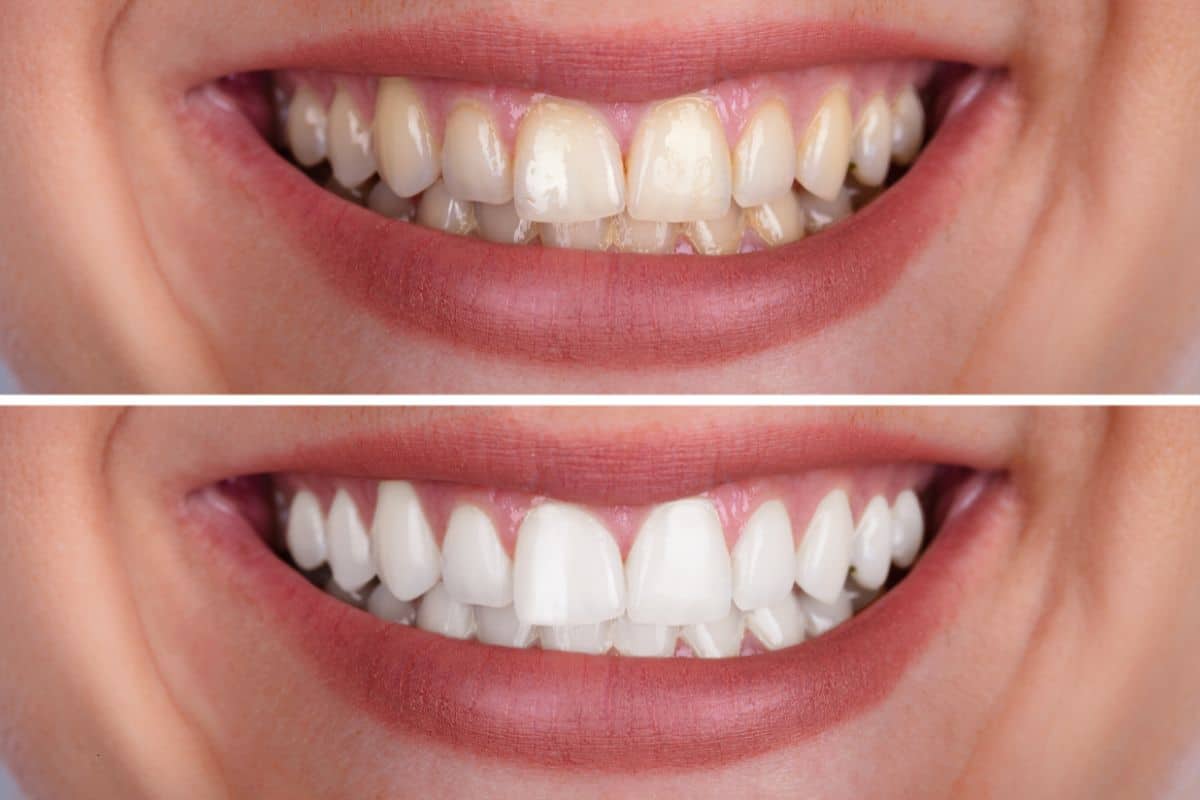
One of the most common cosmetic dentistry procedures in the US is teeth whitening. Whether you’re preparing for a big event or just want a brighter smile, teeth whitening can boost your confidence by giving you a polished appearance.
The longevity of teeth whitening results depends on the treatment type, lifestyle habits, and how well you maintain your teeth. Let’s dive into the details.
Types of Teeth Whitening Treatments:
There are two main teeth whitening treatments: professional whitening performed by your dentist and over-the-counter (OTC) whitening products. Each of these methods offers different results in terms of both effectiveness and longevity.
Professional Teeth Whitening
In-office teeth whitening treatments tend to offer the most noticeable and long-lasting results. Dentists use high-concentration bleaching agents, typically hydrogen peroxide or carbamide peroxide, to penetrate the tooth enamel and remove deep stains. Professional whitening can make your teeth several shades lighter in just one visit.
With proper care, the results from professional teeth whitening can last anywhere from six months to three years. However, the average is typically around one year, depending on your habits and oral care routine.
Over-the-Counter Whitening Products
OTC products, such as whitening strips, gels, and toothpaste, provide less dramatic results than professional treatments. These products generally contain lower concentrations of bleaching agents, which can lead to more gradual whitening. While OTC whitening is convenient and less expensive, the effects typically last two to six months.
Factors That Affect Longevity:
Several factors can influence how long your teeth stay white after a whitening treatment.
Diet and Lifestyle Choices
Your diet plays a major role in how long your teeth remain white. Foods and beverages such as coffee, tea, red wine, and dark berries are notorious for staining teeth. Smoking or using tobacco products can also quickly dull your smile. To prolong the effects of whitening, you should limit your intake of these stain-causing substances.
Oral Hygiene
Maintaining a good oral hygiene routine will help extend the life of your whitening treatment. Brush twice daily with fluoride toothpaste, floss regularly, and visit your dentist for cleanings. Cosmetic dentists frequently suggest whitening toothpaste several times a week to help eliminate surface stains and maintain the brightness of your teeth.
Age and Natural Wear
As you age, the enamel on your teeth becomes thinner, making it easier for stains to set in. Thinner enamel also reveals more of the underlying dentin, which has a yellowish tint. While whitening treatments can brighten your smile, it’s important to understand that age-related changes in your teeth may make it harder to maintain long-lasting results.
Touch-Ups for Lasting Results:
To maintain a white smile for as long as possible, consider touch-up treatments. If you’ve had professional whitening, ask your cosmetic dentist about take-home whitening kits that can refresh your results. These kits usually include custom-made trays and a milder bleaching gel that you can use for periodic touch-ups.
If you’re using OTC products, you may need to repeat the whitening process every few months to maintain your desired shade. Always follow the instructions carefully to avoid overuse, which can lead to tooth sensitivity.
Is Teeth Whitening Right for You?
Teeth whitening is a safe and effective way to enhance your smile, but it’s important to have realistic expectations about how long the results will last. If you have severe staining or discoloration from medication, trauma, or other factors, whitening may not provide the results you’re hoping for. In such cases, your cosmetic dentist may recommend alternative treatments like veneers or bonding.
Conclusion
Teeth whitening is a great investment in your smile, but its effects aren’t permanent. With professional whitening treatments, you can expect results to last up to a year or more, while OTC products provide shorter-term results. However, by avoiding stain-causing foods and drinks, maintaining good oral hygiene, and getting regular touch-ups, you can enjoy a bright smile for longer.
If you’re ready to explore teeth whitening options, contact your cosmetic dentist in Tulsa to discuss the best treatment plan. By making informed choices and caring for your teeth, you can maintain a vibrant smile for years!