5602 S Memorial Dr, Tulsa, OK 74145
Dental Crowns: Save and Restore Damaged Teeth | Benefits, Procedure & More

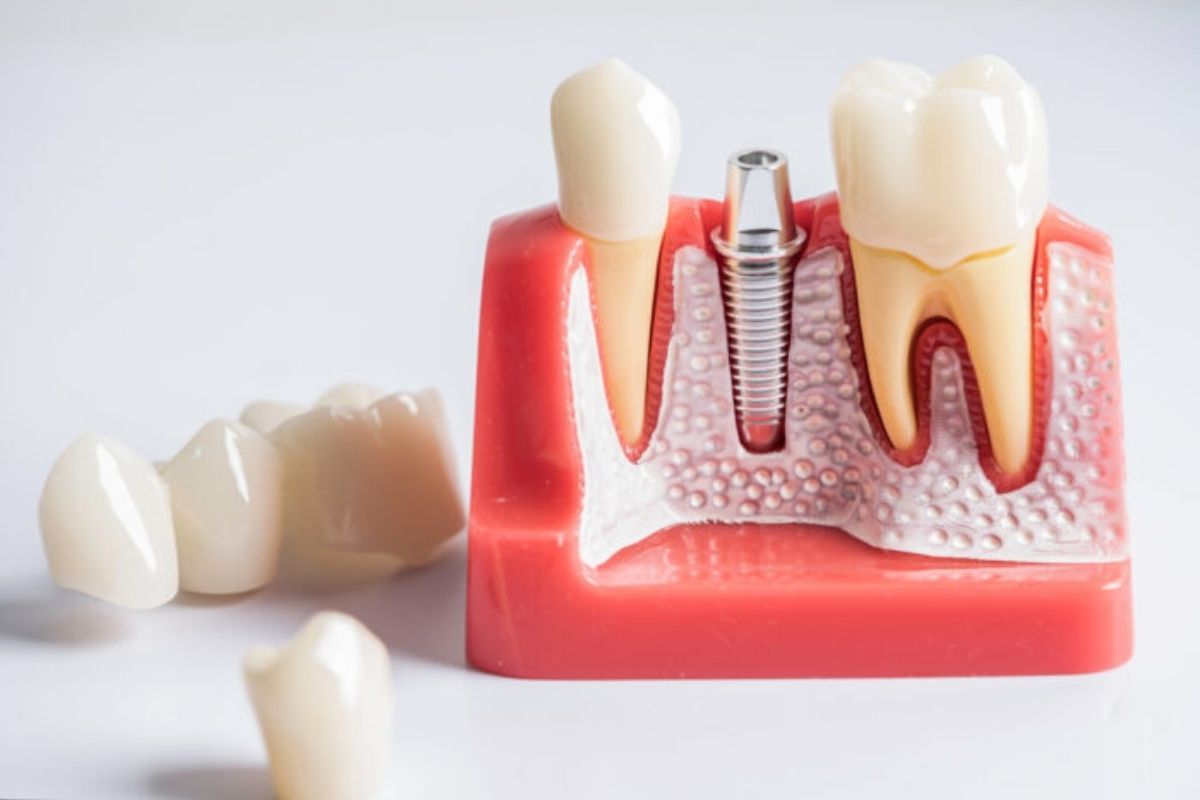
When you face tooth damage or decay, the idea of losing a tooth can be unsettling. But thanks to dental crown treatments, many teeth can be saved even when the damage seems severe. Dental caps are a reliable, long-lasting solution that protects your natural tooth, helping you avoid extraction. Let’s explore how these tooth restoration options work, when they’re recommended, and why they’re an excellent choice for preserving your smile.
What is a Dental Crown?
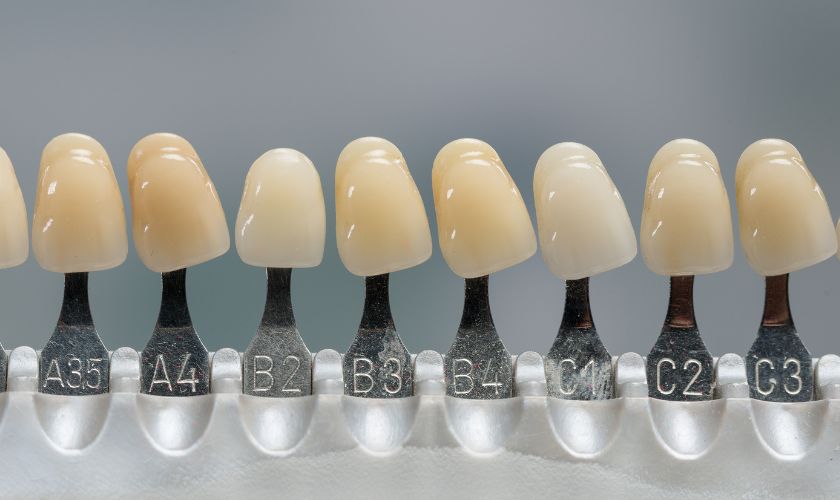
A dental crown is a tooth-shaped cap that covers a damaged or decayed tooth, restoring its shape, strength, and function. Crowns are custom-made to match the size, color, and appearance of your natural teeth, blending seamlessly into your smile. They are crafted from durable materials such as porcelain, ceramic, metal, or a combination, making them strong enough to withstand the daily pressures of chewing and speaking.
Dentists often recommend crowns for various reasons, including:
- Protecting a tooth weakened by decay or fracture
- Restoring a tooth after a root canal
- Rebuilding worn-down teeth
- Supporting a dental bridge
- Improving the appearance of a discolored or misshapen tooth
In essence, crowns help reinforce natural tooth structure while preserving the tooth’s roots, which are important in maintaining oral health.
How Can a Crown Save Your Tooth?
When you have significant damage or decay, a dental crown can save your tooth by covering it entirely, preventing further deterioration. Here’s how crowns work to protect and preserve:
Reinforcing the Tooth Structure
If a tooth has a large cavity or fracture, its structural integrity weakens. A crown encases the tooth, providing extra support and reducing the risk of future breakage. Spreading chewing forces across the entire crown helps alleviate stress on the damaged tooth, which otherwise might crack or split under pressure.
Shielding Against Decay and Infection
Once decay has been removed, the remaining tooth needs protection to prevent new bacteria from entering. Crowns provide a secure barrier against harmful bacteria, reducing the risk of recurring decay and infections. Additionally, for a tooth that has undergone a root canal, a crown protects the treated tooth, which becomes more susceptible to fractures without this added layer of protection.
Restoring Functionality and Appearance
Beyond health benefits, crowns restore your tooth’s natural function, allowing you to eat, speak, and smile confidently. They also improve the aesthetics of your smile by covering damaged areas. Modern crowns are designed to blend with your natural teeth, so nobody will even know you have one.
When Might You Need a Crown?
Your dentist may recommend a crown if your tooth is:
- Severely Decayed: If a cavity is too large for a filling, a crown can cover and protect the tooth.
- Broken or Cracked: A cracked or broken tooth may need a crown to hold it together, especially in a high-stress area like the molars.
- Worn Down: Teeth worn down from grinding or acid erosion can be strengthened with crowns, which restore their size and shape.
- After a Root Canal: Root canals remove the nerve and pulp of a tooth, making it more fragile. Crowns seal the tooth, providing durability and reducing the risk of fractures.
- Misshapen or Discolored: If a tooth is misshapen or has deep discoloration that can’t be fixed with whitening, a crown can create a natural, uniform appearance.
The Procedure: What to Expect
Getting a dental crown typically requires two visits to your dentist. Here’s what happens during the process:
First Visit: Preparation and Temporary Crown: Your dentist will remove decay and shape the tooth to make room for the crown. Next, they’ll take an impression of your tooth, which a dental lab uses to craft your custom crown. While waiting for your permanent crown, your dentist will place a temporary one to protect your tooth.
Second Visit: Fitting the Permanent Crown: Once your permanent crown is ready, you’ll return to your dentist to have it fitted. They’ll check the fit, color, and comfort, making any necessary adjustments. Once your permanent crown is ready, you’ll return to your dentist to have it fitted. They’ll check the fit, color, and comfort, making any necessary adjustments. When satisfied, they’ll cement the crown, and you’ll be all set.
Benefits of Choosing a Crown
Opting for a crown offers multiple benefits, including:
- Durability: Crowns are strong and can last 10-15 years or more with proper care.
- Preservation: Crowns allow you to keep your natural tooth root, which helps maintain your jawbone’s health and shape.
- Confidence: A crown restores not only function but also your smile, boosting your confidence and comfort.
Consult with a dentist:
If you have a damaged or decayed tooth, a crown can be a great option to save it. Crowns offer strength, prevent further issues, and restore the natural look of your tooth. Speak with your dentist in Tulsa to determine if a crown is the best choice for your situation, and enjoy the benefits of a restored, healthy smile.
In most cases, Dental crowns are a reliable solution that saves teeth from extraction, offering peace of mind and improved oral health. Embrace the opportunity to preserve your smile with the lasting protection of a dental crown.
Related blog: The Lifespan of Dental Crowns