5602 S Memorial Dr, Tulsa, OK 74145
Can a Dental Crown Be Whitened? What Every Patient Needs to Know


You’ve invested in a dental crown to restore your smile, but now you’re noticing it doesn’t match the brightness of your natural teeth. You might wonder if you can use whitening products to fix this. The short answer is no; dental crowns can’t be whitened with traditional methods. This blog explains why crowns don’t respond to whitening and what options you have to achieve a uniform, dazzling smile.
Understanding Dental Crowns
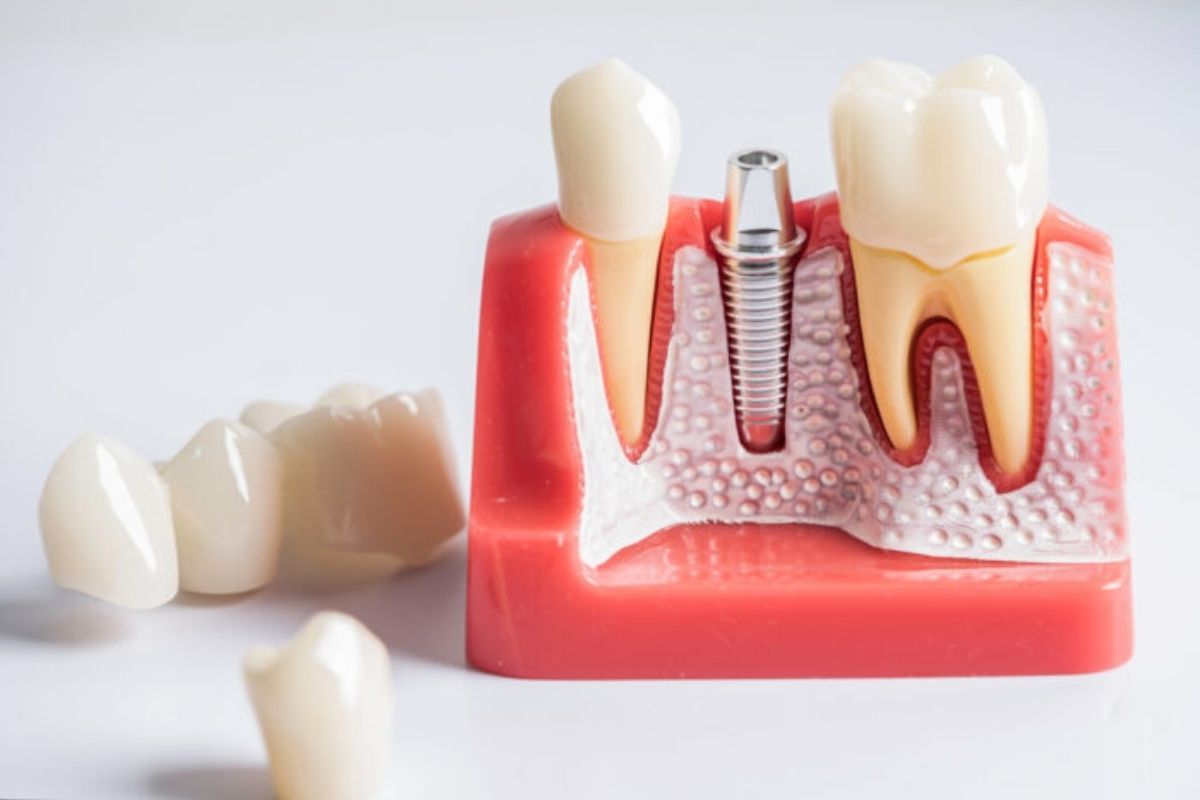
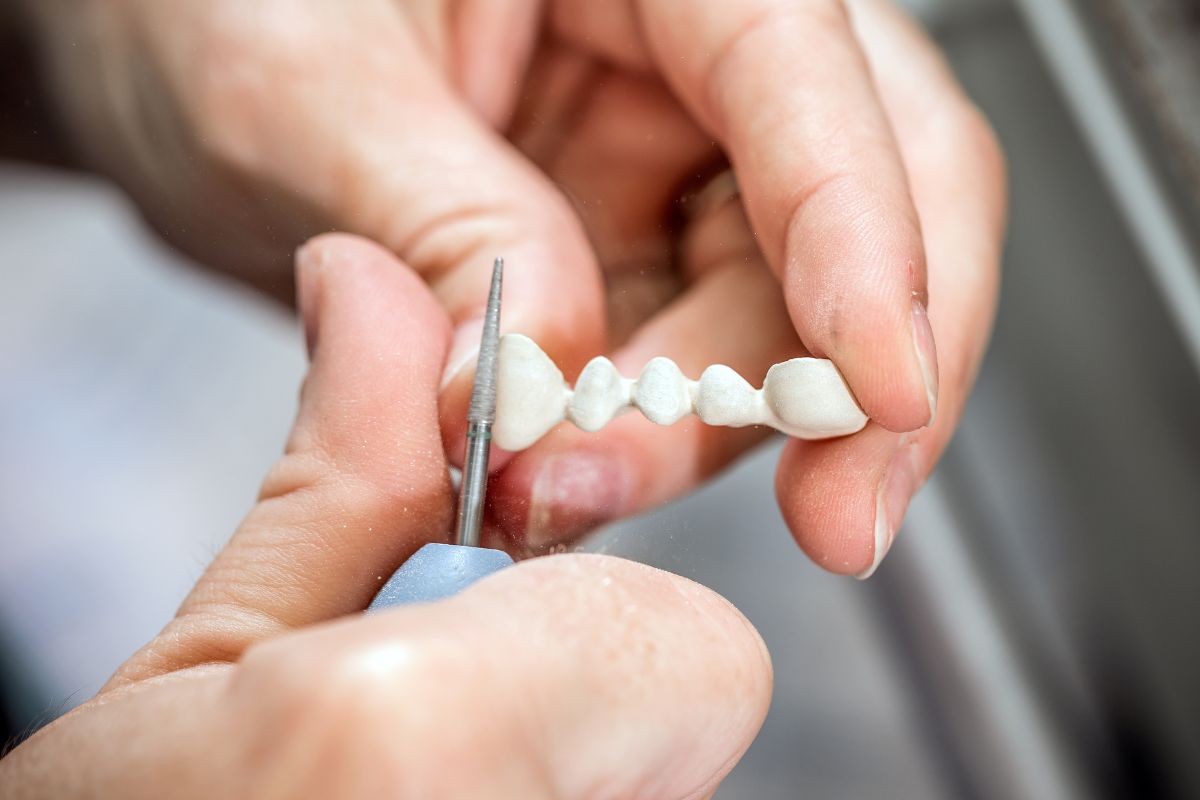
Dental crowns are custom-made caps that cover damaged, decayed, or weakened teeth. They restore function and improve aesthetics. Crowns come in several materials:
- Porcelain: Known for its natural tooth-like appearance and durability.
- Ceramic: Offers a natural look and is metal-free, ideal for front teeth.
- Metal: Extreme and long-lasting, typically used for molars.
- Zirconia: Combines strength with a natural look and resists staining better than porcelain.
Unlike natural teeth, dental crowns are non-porous. This structural difference is why they do not respond to traditional whitening treatments. While your enamel can absorb bleaching agents, crowns remain unchanged because the materials used resist chemical whitening.
Why Standard Teeth Whitening Doesn’t Work on Crowns
Over-the-counter whitening kits, professional bleaching, and at-home whitening trays target natural tooth enamel. Since crowns lack enamel, these methods cannot alter their color. Attempting to whiten a crown may result in uneven coloring, leaving your natural teeth brighter than your restored teeth.
Options for Lighting a Crown
Even though standard whitening won’t work, you have several ways to address discoloration:
- Crown Replacement: The most effective solution is replacing the crown. Modern dental crowns come in a wide range of shades, allowing you to match the color to your newly whitened natural teeth. This process typically involves a crown placement procedure by your dentist.
- Polishing: If your crown is stained from surface substances like coffee or tea, a professional dental cleaning or polishing may improve its appearance.
- Veneers: Sometimes, a veneer placed over a crown can enhance color and aesthetics.
What Causes Dental Crowns to Stain?
While crowns resist stains better than natural teeth, they are not immune. Common causes include:
- Coffee, tea, and red wine
- Tobacco use
- Dark-colored foods like berries or soy sauce
- Age-related discoloration of the surrounding natural teeth
Regular dental care and avoiding stain-causing habits can prolong the crown’s appearance.
Related blog: Can You Take off the Crown
Tips for Maintaining the Shine of Dental Crowns
- Brush twice daily with a non-abrasive toothpaste.
- Floss gently around the crown to prevent plaque buildup.
- Rinse after consuming staining foods or drinks.
- Schedule regular professional cleanings.
- Avoid nail-biting or chewing ice, which can chip or dull your crown.
Following these steps helps keep your crowns looking bright and extends their lifespan.
Don’t let a dull or discolored crown hold back your confidence. At Mose Family Dentistry in Tulsa, our expert team can help you explore options like professional crown polishing or a precise dental crown restoration to match your natural teeth perfectly. Schedule your appointment today and take the first step toward a brighter, more radiant smile that stands out.
FAQ:
Can I whiten a dental crown at home?
No. Home whitening products, like whitening strips or gels, only work on natural tooth enamel. Since dental crowns are made from materials like porcelain, ceramic, metal, or zirconia, they do not respond to these treatments. Using home products may create uneven coloring, making your crown look noticeably different from your natural teeth.
How long do dental crowns last?
Dental crowns are durable restorations that last 10 to 15 years, sometimes longer, with proper care. Oral hygiene, diet, teeth grinding, and regular dental checkups can influence their longevity.
Will a crown change color over time?
While crowns resist stains better than natural teeth, they can still appear discolored if surrounding natural teeth darken with age or from lifestyle habits. Additionally, surface staining from coffee, tea, or tobacco may slightly dull the crown’s shine.
What is the best way to restore a stained or discolored crown?
The most effective solution is often a replacement crown. During a crown placement, your dentist can match the new crown’s shade to your natural teeth. Professional polishing may sometimes remove minor surface stains and restore brightness.
Can dental crowns stain differently based on material?
Yes. Porcelain and zirconia crowns resist stains better than ceramic or metal-based crowns. Zirconia crowns, in particular, offer superior durability and shine, making them a popular choice for long-lasting aesthetics.