5602 S Memorial Dr, Tulsa, OK 74145
Can a Dentist Fix Bad Gums?

Millions of people experience red, swollen, or bleeding gums—so if you’re dealing with these symptoms, you’re in good company. Gum issues affect millions of Americans and can lead to serious oral health problems if left untreated. The good news? Yes, a dentist can treat gum disease. With the right treatment plan and consistent care, you can restore your gum health and prevent long-term damage.
Understanding Gum Disease: What’s Going On?
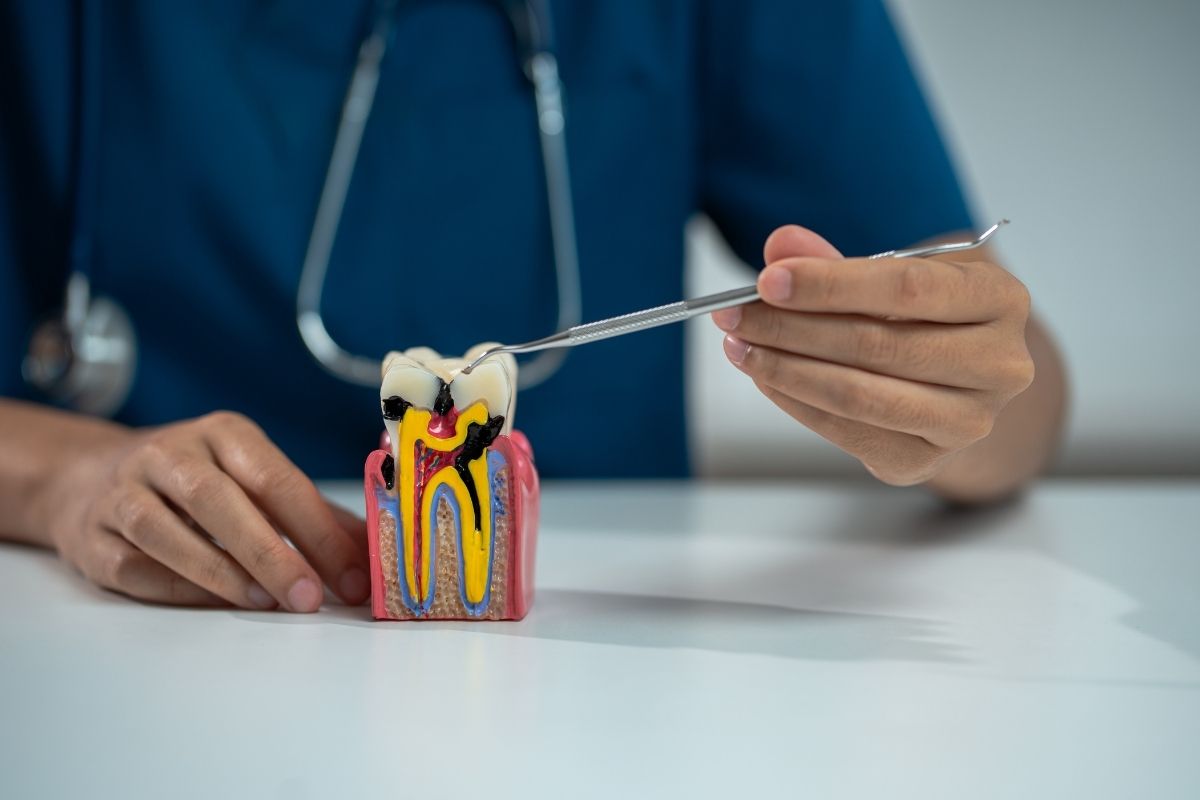
Plaque buildup triggers gingivitis, the earliest stage of gum disease. If left untreated, this mild inflammation can develop into periodontal disease—an infection that damages the tissues supporting your teeth. If not treated, it can progress into periodontitis, where the gums pull away from the teeth, forming infected pockets. You might notice persistent bad breath, receding gums, or even loose teeth as gum disease progresses—and if ignored, it can lead to tooth loss.
But here’s the key: periodontal health is both treatable and preventable. Catching gum disease early greatly improves your chances of restoring your gums without the need for surgery.
How a Dentist Treats Bad Gums
Dentists use a range of tools and techniques to treat gum problems based on their severity. If you’re visiting a dentist in Tulsa or nearby areas, here’s what you can expect during treatment:
✅ Professional Cleaning
Dentists perform routine cleanings to remove plaque and tartar that regular brushing and flossing miss. Your dentist may recommend more frequent cleanings if you show signs of early gum disease.
✅ Scaling and Root Planing
This deep-cleaning procedure involves scraping off tartar above and below the gum line and smoothing out rough spots on the tooth roots. This helps your gums reattach to your teeth and reduces inflammation.
✅ Antibiotics or Antibacterial Rinses
In some cases, dentists prescribe localized antibiotics or recommend special mouth rinses to control infection and promote healing.
✅ Surgical Treatments (For Advanced Cases)
When deep pockets don’t respond to non-surgical treatments, your dentist may refer you to a periodontist for flap surgery, bone grafting, or tissue regeneration.
Why Ignoring Bad Gums Is a Big Mistake
Gum disease doesn’t just harm your mouth—it also raises your risk for serious health problems like heart disease, diabetes, and stroke. Treating your gums early keeps your smile healthy and strengthens your overall long-term health.
Even if your gums seem too far gone, don’t give up. Dentists can perform regenerative procedures that rebuild lost gum tissue and bone, giving your mouth a second chance at a healthy appearance.
How to Keep Your Gums Healthy After Treatment
Fixing bad gums is only part of the equation. Long-term maintenance is the key to maintaining strong and healthy gums. Follow these essential tips:
- Brush twice a day with a soft-bristled toothbrush and fluoride toothpaste
- Floss daily to remove plaque between teeth
- Use mouthwash to reduce bacteria
- Avoid smoking, which worsens gum disease
- Choose nutrient-rich foods that boost your gum health, especially those high in vitamin C and calcium.
- Make regular dental appointments to stay on top of checkups and cleanings.
Yes—a dentist can fix bad gums. Whether you’re facing early-stage gingivitis or advanced periodontitis, today’s dental treatments actively stop the damage and restore gum health. Taking action early leads to better results and a healthier smile.
Don’t wait until it hurts—Visit our dental office to consult our Tulsa dentist, Dr. John D. Mose III, and take the first step toward healthier gums and a confident smile.