5602 S Memorial Dr, Tulsa, OK 74145
Can a Painful Bump on Tongue Be Oral Cancer? Early Signs You Shouldn’t Ignore

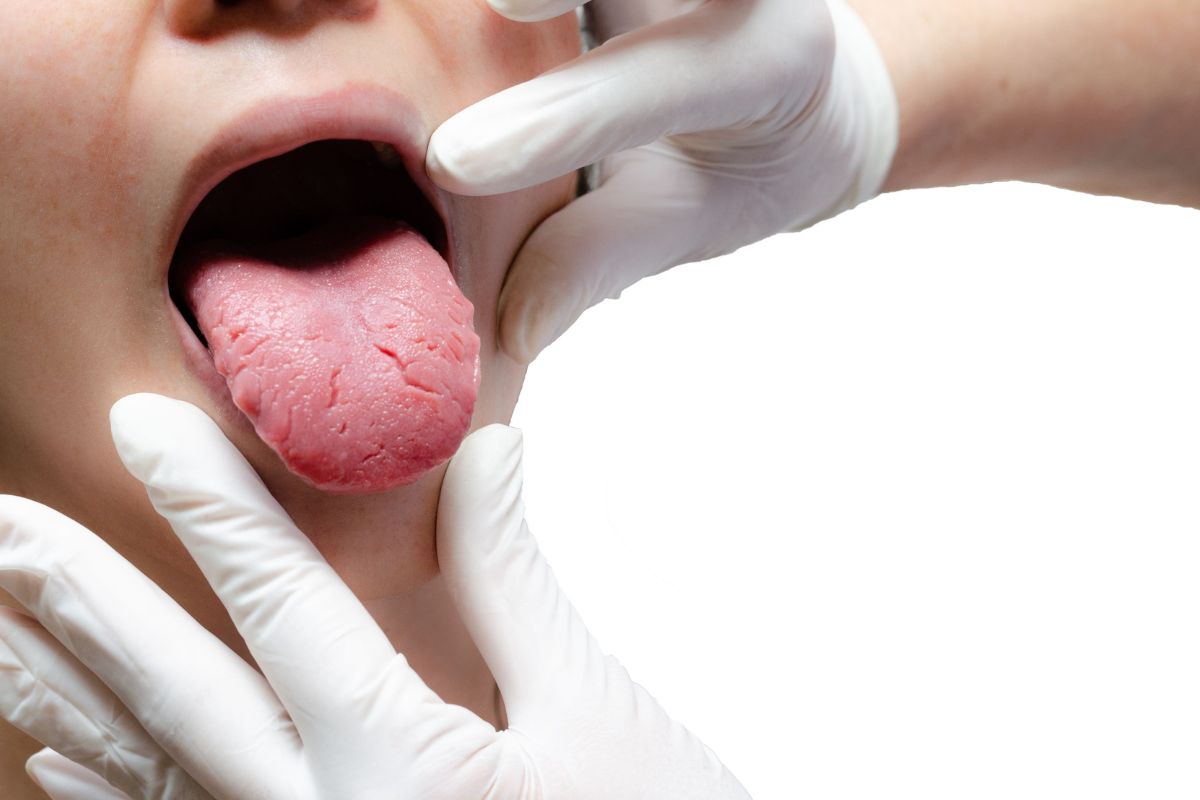
When you notice something unusual in your mouth, it can feel alarming. For many Tulsa residents, a bump, sore, or patch on the tongue might seem minor, but in some cases, it signals something more serious. Many people wonder if a painful bump on the tongue could mean oral cancer. Not all bumps are cancer, but you should always pay attention to the warning signs. Early detection plays a crucial role in successful treatment, so learning the differences between harmless irritations and possible signs of oral cancer can help you take the proper steps.
Common Causes of a Painful Bump on the Tongue
A painful bump on the tongue does not always mean you have cancer. Bumps often form due to everyday irritations like biting your tongue, canker sores, or irritation from sharp teeth or braces. Other causes include allergic reactions, viral infections, or swollen taste buds. These often heal on their own within a week or two. However, if you notice that the bump persists, grows larger, or feels unusually firm, it’s best to schedule a dental or medical evaluation.
When to Suspect Oral Cancer
While most tongue bumps are harmless, some can indicate early stages of oral cancer. Knowing the red flags can help you seek care promptly. You should not ignore these warning signs:
- A sore or ulcer that doesn’t heal within two weeks
- Red or white patches on the tongue
- A lump that feels hard or thickened
- Pain or difficulty when swallowing
- Numbness in the mouth or tongue
- Unexplained bleeding or persistent soreness
If you notice one or more of these symptoms, consult your dentist or doctor immediately. Identifying oral cancer early greatly improves the chances of successful treatment.
Key Risk Factors to Consider
Certain habits and health conditions increase the risk of developing oral cancer. Smoking and chewing tobacco remain the leading causes. Heavy alcohol use, combined with tobacco, raises your risk even more. Human papillomavirus (HPV) infection also plays a role in many oral cancer cases. Genetics, poor diet, and prolonged sun exposure to the lips can further increase your risk. For residents of Tulsa and surrounding areas, recognizing these factors can help you take preventive action, such as quitting tobacco, limiting alcohol, and maintaining regular dental checkups.
How Dentist Diagnose Tongue Bumps
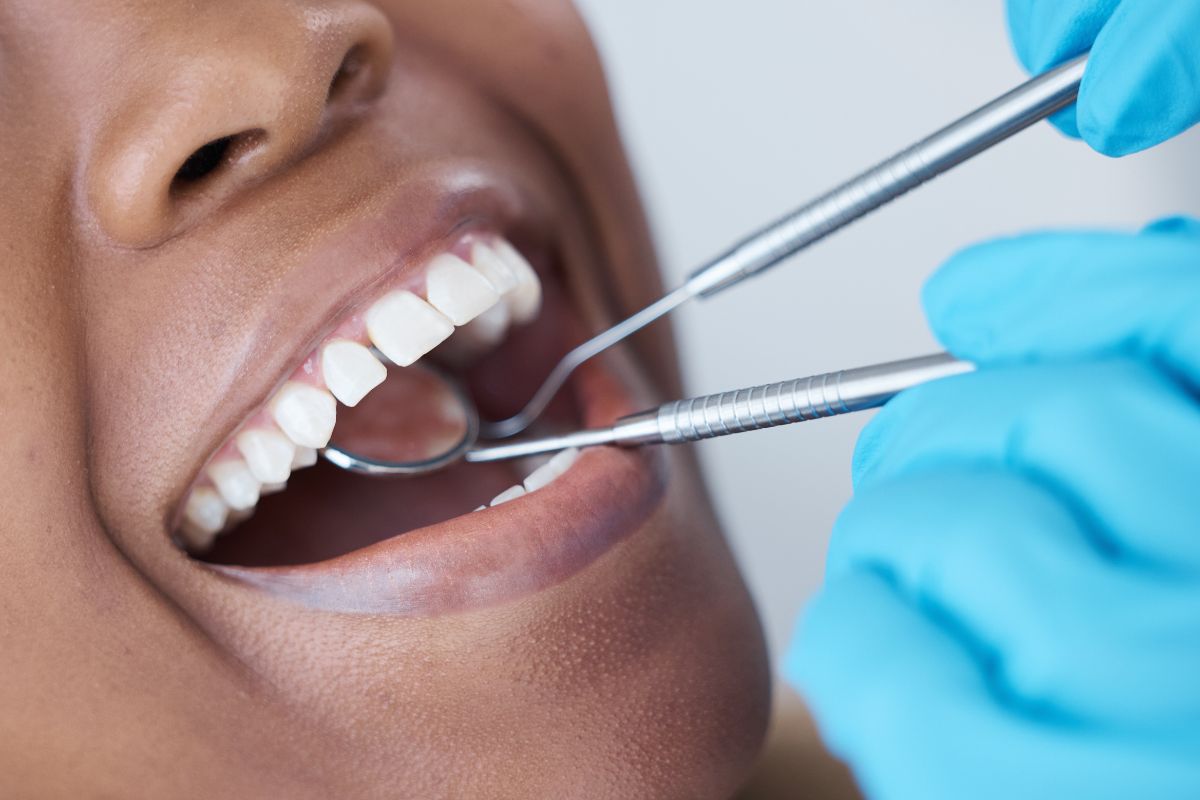
When you visit a dentist about a suspicious tongue bump, they begin with a thorough oral exam. If dentists notice unusual tissue, they may recommend a biopsy, where a small tissue sample is examined under a microscope. Imaging tests like CT scans or MRIs may also be ordered in more complex cases. A professional evaluation provides peace of mind and ensures you receive the proper treatment if something serious is detected.
Why You Shouldn’t Delay a Dental Visit
Some patients wait months before seeing a dentist, hoping the bump will disappear. This delay can make a serious condition more complicated to treat. Even if your bump turns out to be a minor irritation, you benefit from knowing exactly what’s going on. A quick visit eliminates unnecessary stress and helps protect your long-term oral health. If you’ve ever wondered why I have a bump on my tongue, it’s time to get expert guidance rather than guessing.
Steps to Protect Your Oral Health
Prevention remains one of the strongest tools against oral cancer. Here are a few steps to protect yourself:
- Stop smoking and avoid all forms of tobacco
- Limit alcohol consumption
- Maintain a diet rich in fruits and vegetables
- Brush and floss daily
- Visit your dentist every six months for routine exams
- Ask your dentist about oral cancer screenings during your visit
FAQs About Tongue Bumps and Oral Cancer
Is every bump on the tongue cancer?
Most bumps are harmless and result from minor irritation, canker sores, or infections. However, persistent or unusual bumps should be checked by a dentist.
How long should I wait before seeing a dentist about a bump?
If the bump does not heal within two weeks, or if it grows, feels hard, or causes pain, schedule an appointment immediately.
Can oral cancer be cured if caught early?
Yes, early detection and treatment significantly increase survival rates. Regular dental checkups help identify suspicious changes early.
What are the first signs of tongue cancer?
The first signs include a sore that won’t heal, red or white patches, or a lump that feels thickened or firm. Persistent pain, bleeding, or numbness are also common warning signs.
Act Early, Stay Healthy—See Your Dentist Now
Not every bump on your tongue signals oral cancer, but ignoring persistent or unusual changes can put your health at risk. Pay attention to your symptoms, know the risk factors, and never hesitate to seek professional care. Your dentist is your first line of defense in spotting severe conditions early.
If you’ve noticed a bump or sore that won’t heal, don’t wait. Book a dentist appointment at our Tulsa dental office today and take the first step toward peace of mind and better oral health.