5602 S Memorial Dr, Tulsa, OK 74145
Can a Wisdom Tooth Cause Sinus Pain or Pressure?


If you are experiencing sinus pressure, headaches, or facial discomfort, you might not immediately think your wisdom teeth could be the culprit. However, upper wisdom teeth can play a surprising role in sinus issues. Understanding the connection between teeth and sinuses is crucial for proper treatment and relief.
How Wisdom Teeth and Sinuses Are Connected
Upper wisdom teeth grow near the maxillary sinuses, just above your upper jaw. When these teeth erupt or become impacted, they can press against the sinus floor. This pressure can trigger pain, congestion, and a feeling of fullness in your cheeks and around your eyes. In some cases, infection in a wisdom tooth can spread to the sinuses, leading to inflammation and discomfort.
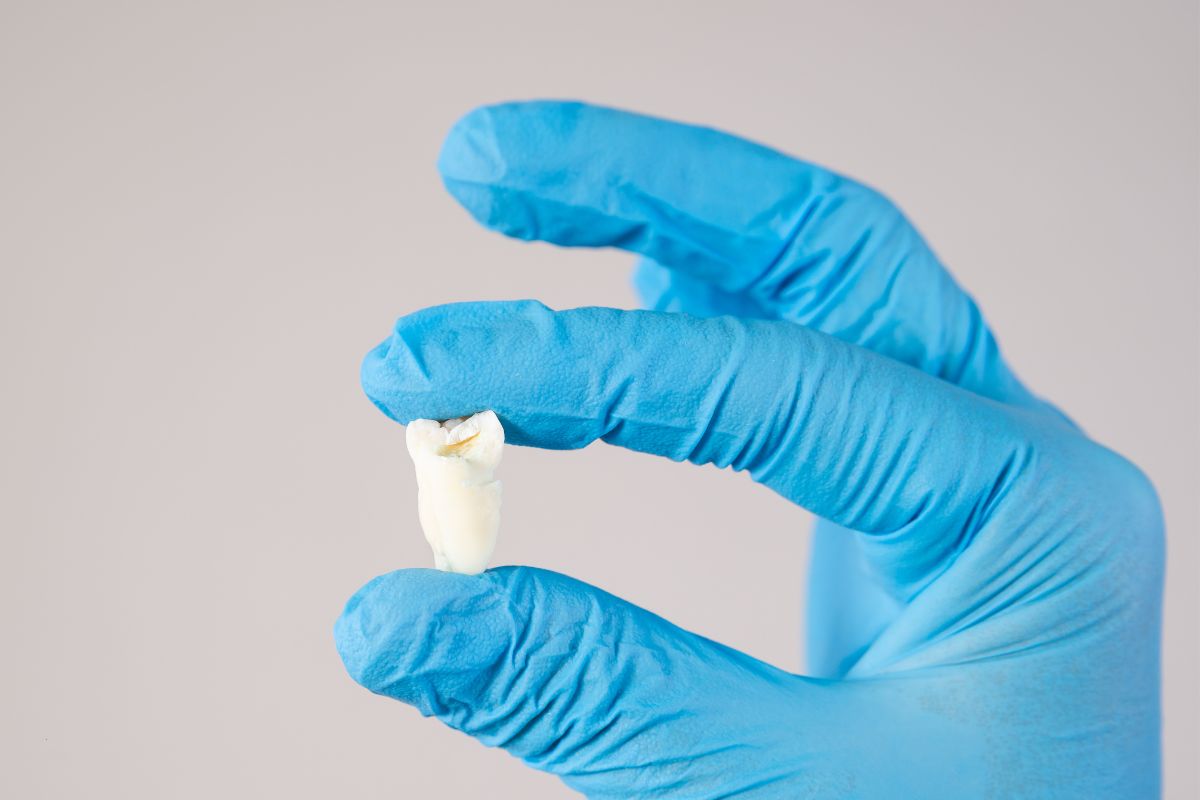
For individuals with these symptoms, wisdom tooth extraction can help resolve dental and sinus-related problems. Removing impacted or infected wisdom teeth eliminates the pressure and reduces the risk of sinus infections originating from your teeth.
Common Sinus Issues Linked to Wisdom Teeth
When upper wisdom teeth cause problems, several sinus-related symptoms can appear:
- Facial pressure or tenderness, especially around the cheeks and eyes
- Congestion or difficulty breathing through the nose
- Persistent sinus infections that do not respond well to medications
- Headaches that worsen when bending forward or lying down
If these issues occur alongside dental pain at the back of your mouth, it may indicate that your wisdom teeth contribute to sinus problems.
Can Wisdom Teeth Removal Alleviate Sinus Issues?
In many cases, removing problematic wisdom teeth significantly improves sinus-related discomfort. By eliminating pressure from impacted teeth, the sinuses have room to drain naturally. Patients often report reduced facial pressure, fewer headaches, and fewer recurrent sinus infections after removal.
However, not every sinus issue originates from wisdom teeth. A thorough dental and sinus examination is necessary to identify the root cause of your symptoms and confirm whether extraction is the best solution.
What to Expect During Wisdom Teeth Removal
Wisdom teeth removal is a routine procedure in Tulsa dental offices. Here is what patients can expect:
- Consultation and X-rays: Your dentist examines the teeth and sinuses to plan a safe extraction.
- Sedation or Local Anesthesia: Most patients receive local anesthesia, sometimes with sedation for comfort.
- Extraction: Your dentist carefully removes the teeth, often in sections for impacted cases.
- Recovery Instructions: You receive detailed guidance to minimize swelling, bleeding, and infection risk.
Recovery is generally quick, and modern techniques ensure minimal discomfort and faster healing.
Tips for Managing Sinus Symptoms After Wisdom Teeth Removal
Even after extraction, some sinus-related discomfort may persist temporarily. Consider these tips:
- Use warm compresses to ease facial pressure
- Drink plenty of water to support sinus drainage
- Avoid blowing your nose forcefully to prevent irritation
- Take prescribed pain medications and follow post-op instructions
- Sleep with your head elevated to reduce swelling
Following these steps can accelerate your recovery and relieve lingering sinus pressure.
Say Goodbye to Sinus Pain with Expert Wisdom Teeth Removal in Tulsa
If you struggle with sinus pressure or pain linked to wisdom teeth, scheduling a consultation with Mose Family Dentistry in Tulsa can help. Our experienced dental professionals can assess your teeth, identify issues affecting your sinuses, and provide effective wisdom tooth extraction treatment to restore comfort.