5602 S Memorial Dr, Tulsa, OK 74145

Can a Badly Decayed Tooth Be Saved? Treatment Options & Solutions

A badly decayed tooth can be concerning, but the good news is that it may still be saved, depending on the extent of the damage and the treatment options available. If you have a decayed tooth, it’s essential to understand the potential solutions and know when a dentist can repair it and when it may need extraction.
Understanding Tooth Decay:
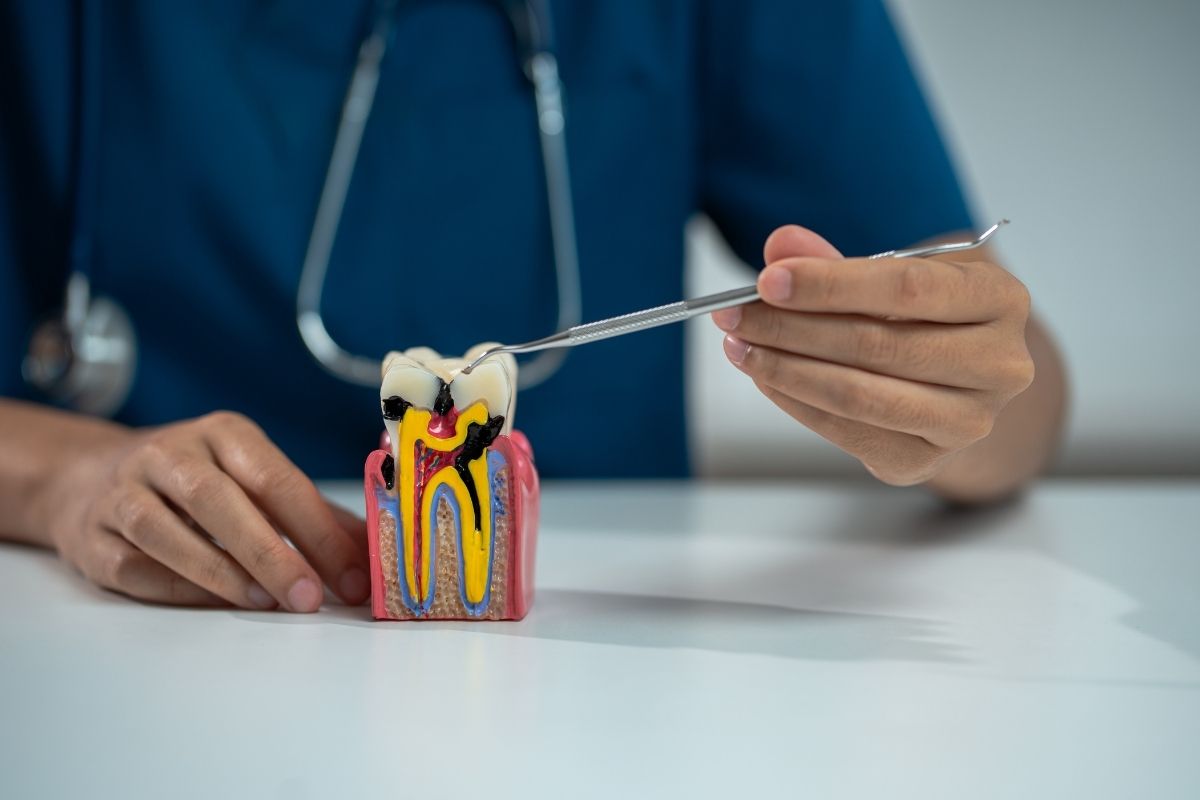
Tooth decay occurs when harmful bacteria in the mouth break down sugars from food, producing acids that erode the enamel of your teeth. Over time, if left untreated, the decay spreads deeper into the tooth, affecting the inner pulp, nerves, and surrounding structures. The progression of tooth decay can result in painful cavities, infections, and even tooth loss.
A badly decayed tooth has significant damage, often reaching the tooth’s inner pulp or weakening a substantial portion of its structure. At this stage, you might wonder whether there’s any hope for the tooth or if extraction is the only option. The answer often depends on how much decay is present and whether the tooth’s root and structure remain intact.
Treatment Options for Badly Decayed Teeth:
The proper treatment will depend on the severity of the decay. Here are the main options that could save a badly decayed tooth:
Root Canal Therapy
When decay reaches the tooth’s inner pulp, it can cause a severe infection, leading to pain and swelling. A root canal may be the solution if the tooth is still strong enough to be saved. This procedure involves removing the infected pulp, cleaning out the inside of the tooth, and then sealing it. Afterward, the tooth is usually restored with a crown to protect and restore its function.
Dentists often successfully save teeth with root canal therapy that might otherwise need extraction. It prevents the infection from spreading and keeps the tooth in place.
Dental Fillings
If the decay has not spread too far and only affected the tooth’s outer parts, a dental filling may be sufficient. The dentist will remove the decayed portion of the tooth and fill the cavity with a material like composite resin, amalgam, or gold. The filling restores the tooth’s strength and prevents further decay.
For moderate decay, fillings can be a simple, effective solution to save the tooth. However, if the tooth is weak or the decay is extensive, a filling might not be enough.
Crowns
A crown can provide additional protection when a tooth is significantly damaged but still has a solid root structure. Crowns are custom-made caps that cover the entire tooth, protecting it from further damage while restoring its shape, size, and functionality. Crowns are often the preferred treatment option for teeth with large fillings or extensive decay.
Crowns are particularly beneficial when insufficient natural tooth structure is left to support a filling. They help strengthen the tooth and prevent breakage, offering long-lasting protection.
Dental Implants (If Extraction is Necessary)
Extraction may be the only option if the decay is too severe and the tooth cannot be saved. In cases where extraction is necessary, a dental implant can replace the lost tooth. An implant is a titanium post placed in the jawbone, and a crown is attached to restore the tooth’s appearance and function.
Dentists consider implants a durable and permanent solution to tooth loss only after ruling out other treatments. Dental implants for missing teeth are an excellent choice for those seeking a long-term solution to restore their smile and dental health.
Signs That a Decayed Tooth Can Be Saved
There are a few signs that a decayed tooth might still be salvageable:
- No Pain or Mild Sensitivity: If the tooth is not causing severe pain or is only mildly sensitive to hot or cold, there’s a good chance it can be repaired.
- Healthy Root Structure: The root of the tooth is crucial for support. If the root is healthy and intact, even a badly decayed tooth can be saved with proper treatment.
- No Abscess: An abscess indicates a severe infection that might require extraction. If no abscess or pus is present, saving the tooth is more likely.
Preventing Further Decay
Once your decayed tooth is treated, it’s essential to follow good oral hygiene practices to prevent future decay. This includes brushing and flossing regularly, limiting sugary foods and drinks, and visiting your dentist in Tulsa for routine checkups and cleanings. Maintaining these habits will ensure your restored tooth stays healthy for years.
In many cases, a badly decayed tooth can still be saved with the proper treatment. Modern dentistry offers a range of solutions to preserve natural teeth, whether through a root canal, filling, or crown. However, if the damage is too extensive, extraction followed by an implant may be necessary.
If you have a decayed tooth, it’s essential to seek treatment as soon as possible to prevent further complications. Consult your dentist to explore the best options for saving your tooth and maintaining oral health. Early intervention is key to preserving your smile!