5602 S Memorial Dr, Tulsa, OK 74145
Can Dental Implants Cause Metallic Taste in the Mouth?


Dental implants offer a long-term solution for missing teeth, but what if you notice a strange metallic taste in your mouth afterward? If you’re in Tulsa and recently had dental implants placed, this taste might be your body’s way of signaling something. While not always serious, a metallic taste shouldn’t be ignored. Let’s explore what causes it, how to manage it, and when to contact your dentist.
What Causes a Metallic Taste After Dental Implants?
A metallic taste in the mouth after dental implants isn’t uncommon, especially during the initial healing period. The taste usually fades as your mouth adjusts to the implant. However, there are several potential causes you should be aware of:
1. Minor Post-Surgical Reactions
Shortly after your implant surgery, you might experience mild bleeding or inflammation around the surgical site. This can result in a metallic or blood-like taste that resolves within a few days.
2. Medication Side Effects
Antibiotics or pain medications prescribed during your recovery can sometimes alter your taste perception. If you started noticing the metallic taste after beginning a new medication, this might be the culprit.
3. Titanium Sensitivity or Corrosion
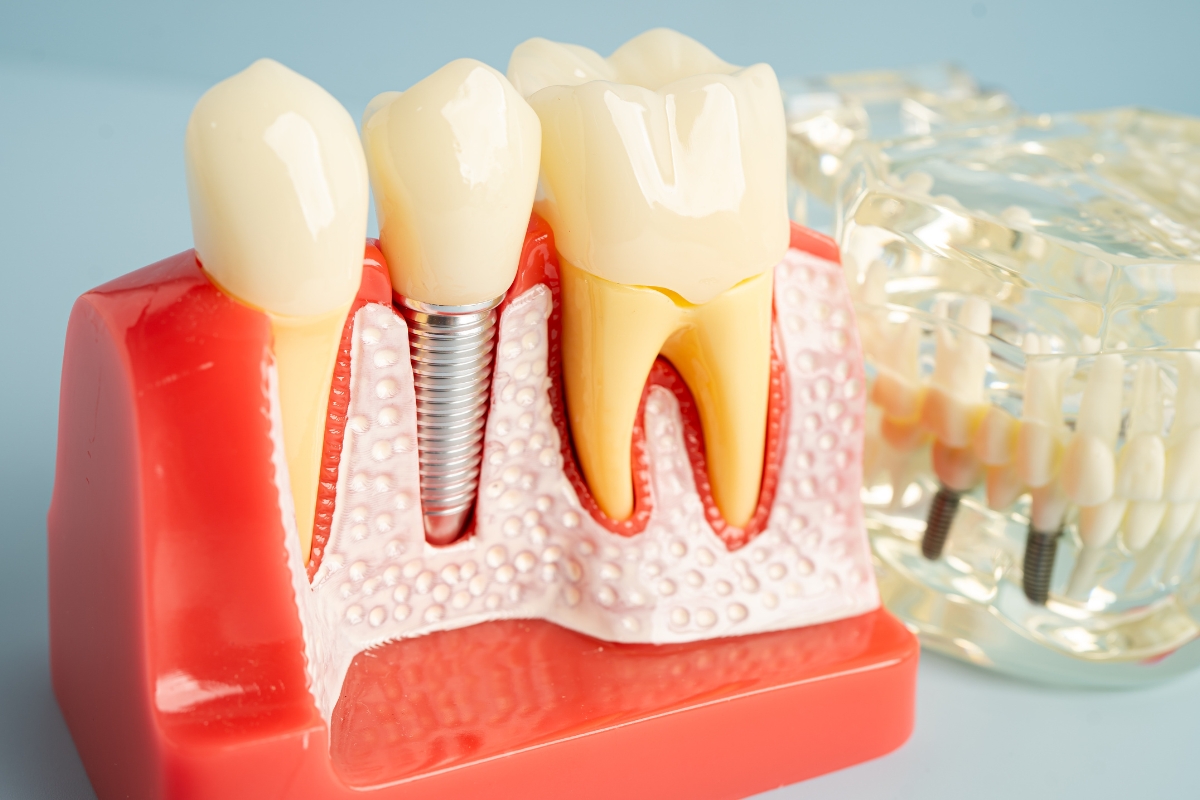
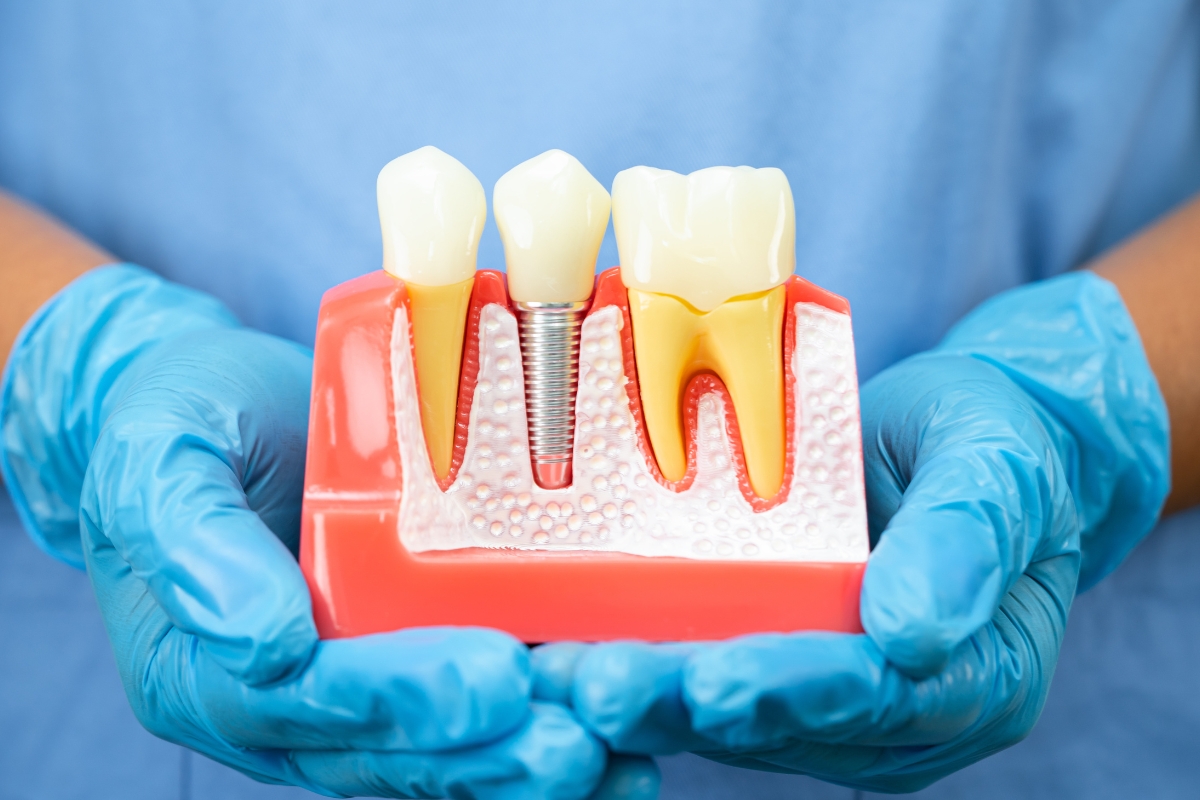
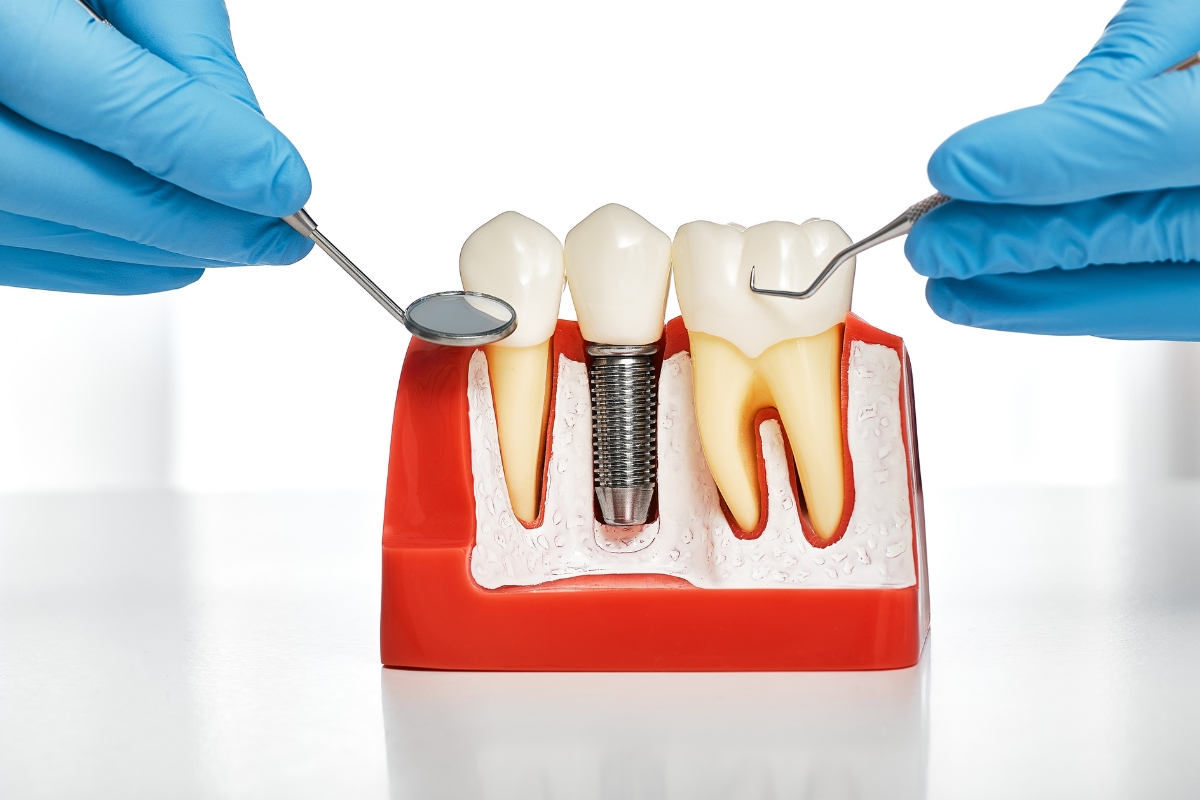
Although rare, some individuals may be sensitive to titanium, the most common metal used in dental implants. In other cases, corrosion of the titanium post (due to poor oral hygiene or chemical interactions) could lead to a metallic flavor.
4. Bacterial Infections or Peri-Implantitis
An infection around the implant site can cause various symptoms, including a foul or metallic taste. This condition, known as peri-implantitis, requires prompt dental treatment to prevent implant failure.
Sometimes, patients searching for solutions to missing teeth may not be aware of these rare side effects, making a comprehensive consultation all the more critical.
How to Address Metallic Taste from Dental Implants
The good news? Most cases of metallic taste aren’t severe and can be addressed with a few practical steps:
- Improve Oral Hygiene: Brush at least twice daily and floss carefully around the implant site. Consider using an antimicrobial mouthwash recommended by your dentist.
- Stay Hydrated: Dry mouth can intensify abnormal tastes. Drink plenty of water throughout the day.
- Monitor Medications: If you believe your medications are causing the issue, consult your prescribing doctor—not just your dentist—before making any changes.
- Avoid Harsh Dental Products: Some whitening toothpastes or alcohol-based mouthwashes can irritate the tissue around implants. Switch to a gentler, dentist-approved option.
Is the Metallic Taste Dangerous?
Most of the time, the metallic taste is a harmless side effect and resolves without intervention. However, persistent or worsening symptoms could signal complications. Here’s when you should become more alert:
- The taste is accompanied by swelling, pus, or bleeding from the implant site.
- You experience loose implants or shifting teeth.
- You notice bad breath that doesn’t go away with oral hygiene.
If you suspect any of these signs, don’t wait—book an appointment with your implant dentist immediately.
When Should You See Your Dentist?
Schedule a dental checkup if the metallic taste lasts more than a week or is accompanied by other unusual symptoms. Your dentist can rule out infection, evaluate implant placement, and check for corrosion or allergic reaction signs.
Act quickly if you’re experiencing chronic discomfort or bleeding. Prompt intervention can help preserve your implant and protect your overall oral health.
FAQs About Metallic Taste and Dental Implants
Can the type of dental implant material cause a metallic taste?
Yes. While titanium is biocompatible and rarely causes issues, some patients may respond better to zirconia implants. Your dentist can discuss material options during your consultation.
Is the metallic taste a sign that my implant is failing?
Not always. Minor post-operative changes can cause it. However, if the taste continues and you also have swelling or pain, it’s best to see your dentist.
Will the metallic taste go away on its own?
In many cases, yes. It typically fades within days to weeks as your mouth heals and adjusts to the implant.
Final Thoughts: Don’t Ignore Changes in Taste
Still dealing with a metallic taste after your dental procedure? Don’t ignore it—your symptoms could be telling you something important. We take every concern seriously at Mose Family Dentistry, a trusted Tulsa dental office. Our experienced team will evaluate your symptoms, assess the condition of your implant, and create a personalized care plan to restore your comfort and protect your oral health.
Schedule your dental implants consultation today, and let our Tulsa dental experts help you regain a healthy, confident smile.