5602 S Memorial Dr, Tulsa, OK 74145
Can Dentists Detect Oral Cancer? A Guide to Early Detection and Prevention

When you think about a dental check-up, you likely picture clean teeth and fresh breath. But your routine dental visit offers far more than a sparkling smile. It’s a critical first line of defense in the early detection of oral cancer, a disease that affects approximately 54,000 Americans annually. The good news? Early detection significantly improves survival rates.
Can your dentist detect oral cancer? Yes, they absolutely can. Understanding how they do it, along with the risk factors and symptoms, is vital for your health.
Why Oral Cancer Screenings are Crucial
Oral cancer can develop in any part of the mouth or throat, including the lips, tongue, cheeks, floor of the mouth, hard or soft palate, sinuses, and pharynx. It often begins subtly—like a lingering sore or a patch that refuses to heal. Because these initial signs can be easily overlooked, your dentist plays a pivotal role in identifying suspicious changes during regular examinations.
Key Risk Factors for Oral Cancer
While anyone can develop oral cancer, certain factors increase your risk:
- Tobacco Use: Smoking cigarettes, cigars, or pipes, or using smokeless tobacco products, dramatically increases your risk.
- Excessive Alcohol Consumption: Heavy alcohol use is a significant risk factor, especially when combined with tobacco.
- Human Papillomavirus (HPV) Infection: Specific strains of HPV, particularly HPV-16, are a growing cause of oral cancer, especially in younger, non-smoking adults.
- Sun Exposure: Prolonged sun exposure, particularly to the lips, can increase the risk of lip cancer.
- Age: While cases in younger adults are rising due to HPV, people over 40 are generally at higher risk.
- Family History: A history of cancer can increase your susceptibility.
- Poor Oral Hygiene and Nutrition: While less direct, maintaining good oral health and a balanced diet contribute to overall resilience.
Symptoms to Watch For
Regular self-checks are important, but professional screenings are essential. Be vigilant and consult your dentist if you notice any of the following persistent symptoms:
- Persistent mouth sores or lesions that do not heal within two weeks.
- Lumps, thickenings, rough spots, crusts, or eroded areas on the lips, gums, or inside the mouth.
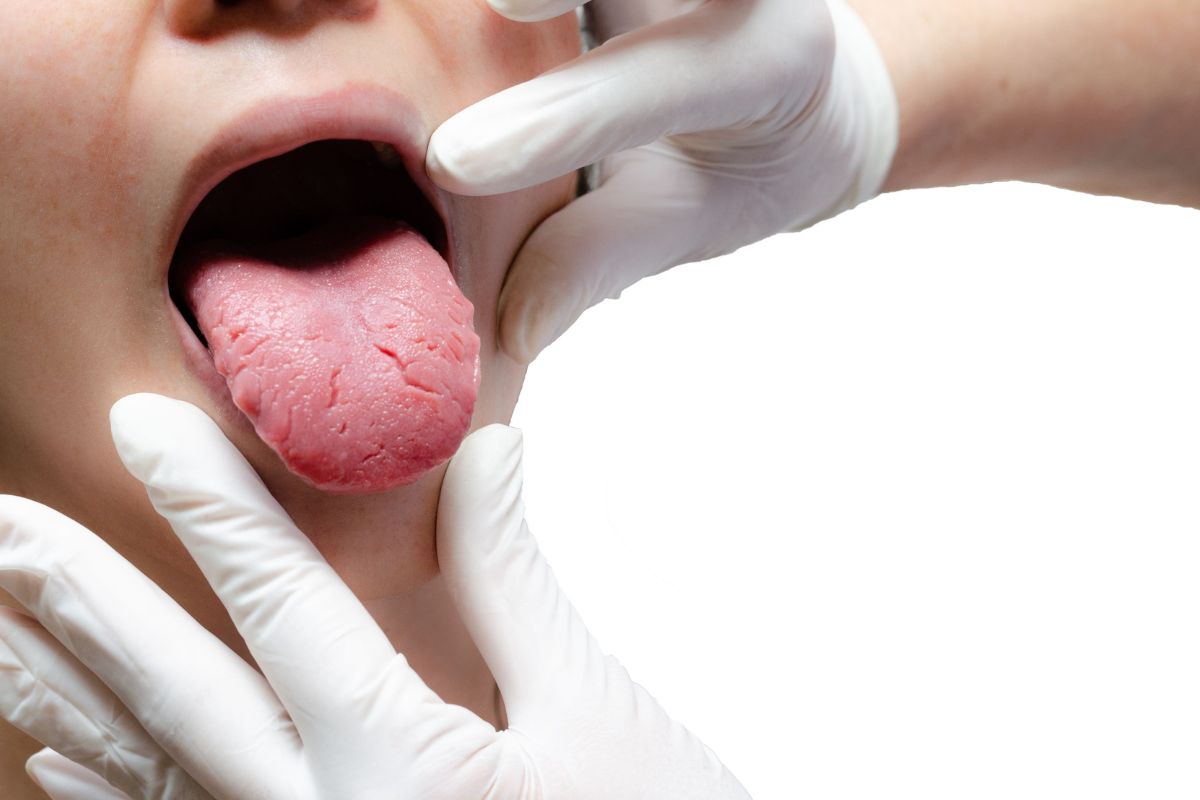
- Red or white patches (erythroplakia or leukoplakia) inside your mouth.
- Unexplained bleeding in the mouth.
- Numbness, loss of feeling, or pain/tenderness in any face, mouth, or neck area.
- Difficulty chewing, swallowing, speaking, or moving the jaw or tongue.
- Chronic sore throat or hoarseness that doesn’t go away.
- Ear pain that persists without an obvious ear infection.
- Significant weight loss.
How Your Dentist Screens for Oral Cancer
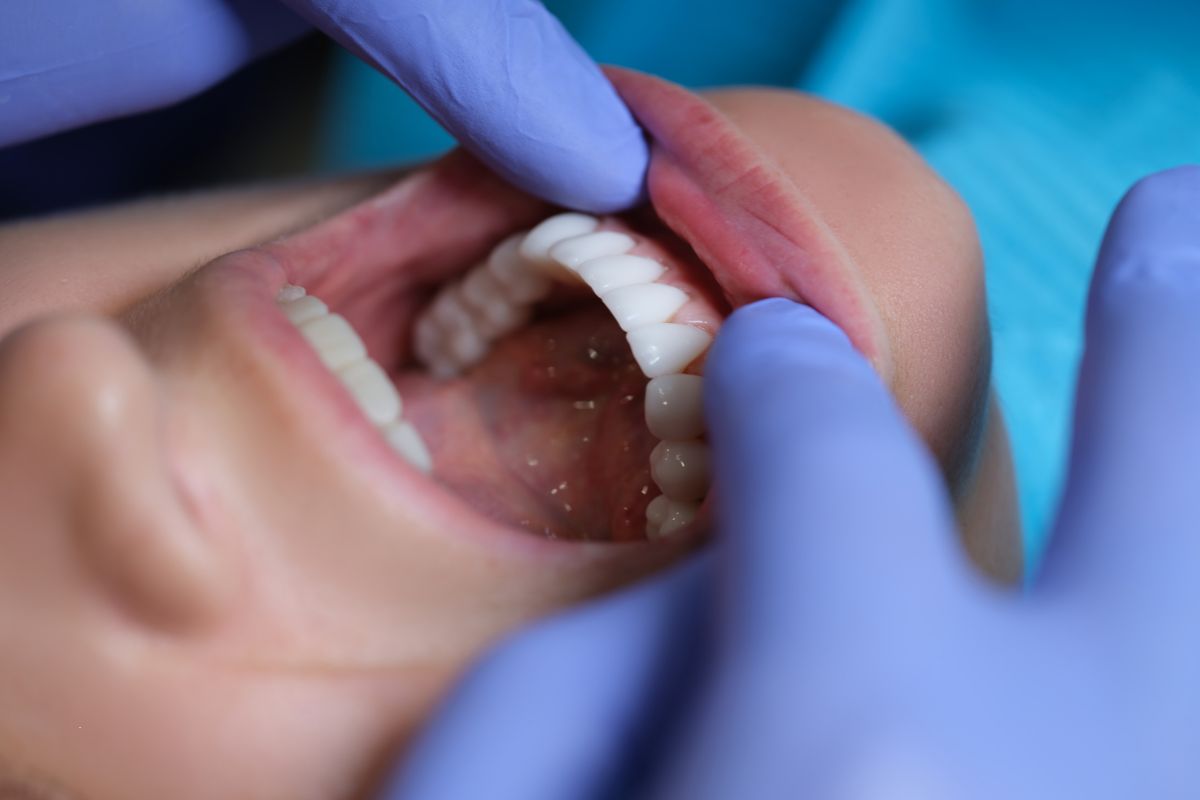
During your routine dental cleaning and examination, your dentist performs a thorough visual and physical examination to detect early signs of oral cancer. This quick and painless process typically involves:
- Visual Inspection: Your dentist will carefully examine your face, neck, lips, inside your nose, and the entire oral cavity including your tongue, gums, and throat looking for any asymmetries, swelling, bumps, or color changes.
- Physical Palpation: They will carefully examine your jaw, neck, and the inside of your mouth by gently feeling for any lumps, tenderness, or other unusual changes.
Some dentists also use advanced screening tools, such as:
- Oral Brush Biopsy: A small brush is used to gently gather cells from a potentially abnormal area, which are then sent to a lab for detailed analysis.
- Toluidine Blue Stain: A special dye that can highlight abnormal regions of the mouth.
If a suspicious area is identified, your dentist will likely recommend further investigation, including a referral to a specialist for a biopsy or other diagnostic tests. Prompt referrals lead to earlier diagnoses—an essential step for effective and successful treatment.
Prevention and Peace of Mind
While professional screenings are crucial, you can also take steps to lower your risk of oral cancer:
- Quit Tobacco: This is the most critical step you can take.
- Limit Alcohol: Reduce or eliminate excessive alcohol consumption.
- Use SPF Lip Balm: Protect your lips from sun exposure.
- Maintain Good Oral Hygiene: Brush and floss regularly.
- Eat a Healthy Diet: A balanced diet of fruits and vegetables can boost your overall health.
Don’t Wait—Schedule Your Oral Cancer Screening Today!
Oral cancer screenings are quick, painless, and potentially life-saving. Recommended at least once a year, they are essential to your preventative healthcare routine. Don’t leave your health to chance.
Contact Mose Family Dentistry today to schedule your comprehensive dental exam and oral cancer screening. Give yourself the peace of mind that comes with early detection.