5602 S Memorial Dr, Tulsa, OK 74145
Can Your Body Reject Dental Implants? Understanding Risks and Prevention

Dental implants, which provide a long-lasting solution that feels and looks natural, have grown in popularity as a tooth replacement option. However, a common concern among patients is whether their body can reject a dental implant, much like how the body might reject an organ transplant. This fear is understandable, but the reality is more nuanced. Let’s break down the science behind dental implants, the risks of rejection, and what you can do to minimize these risks.
What Are Dental Implants?
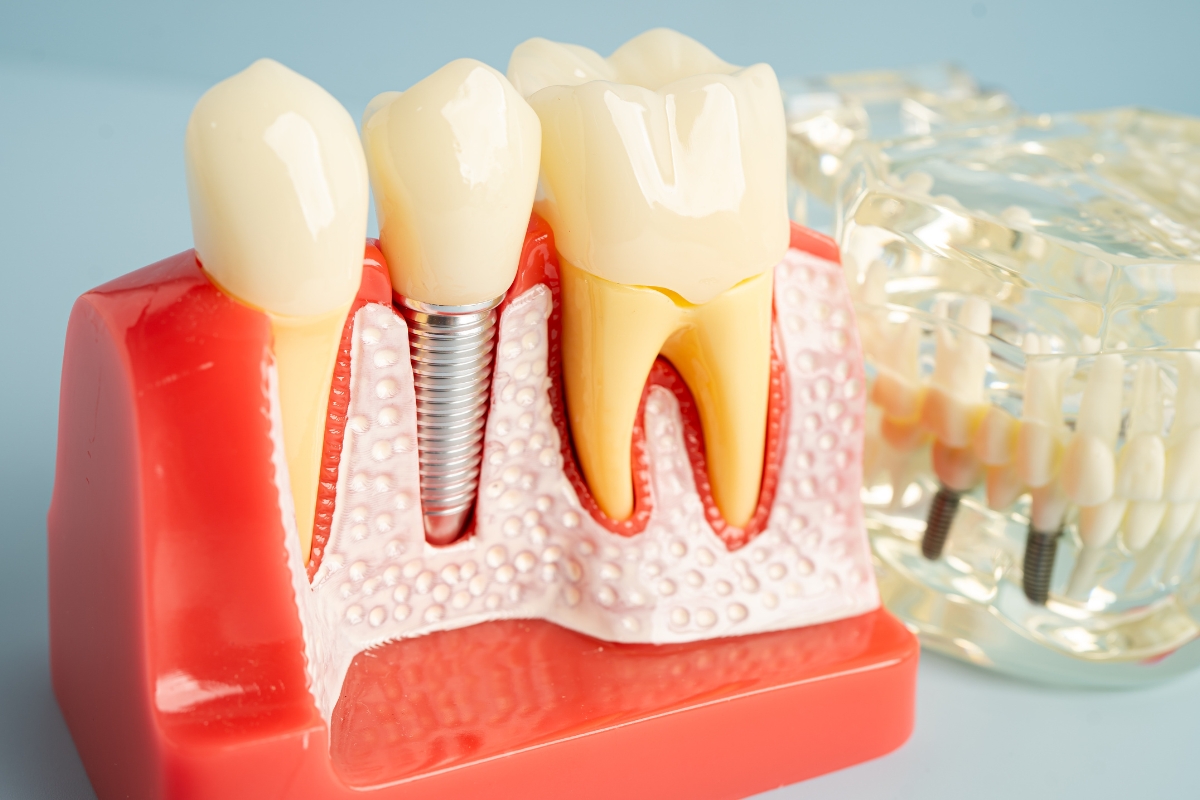
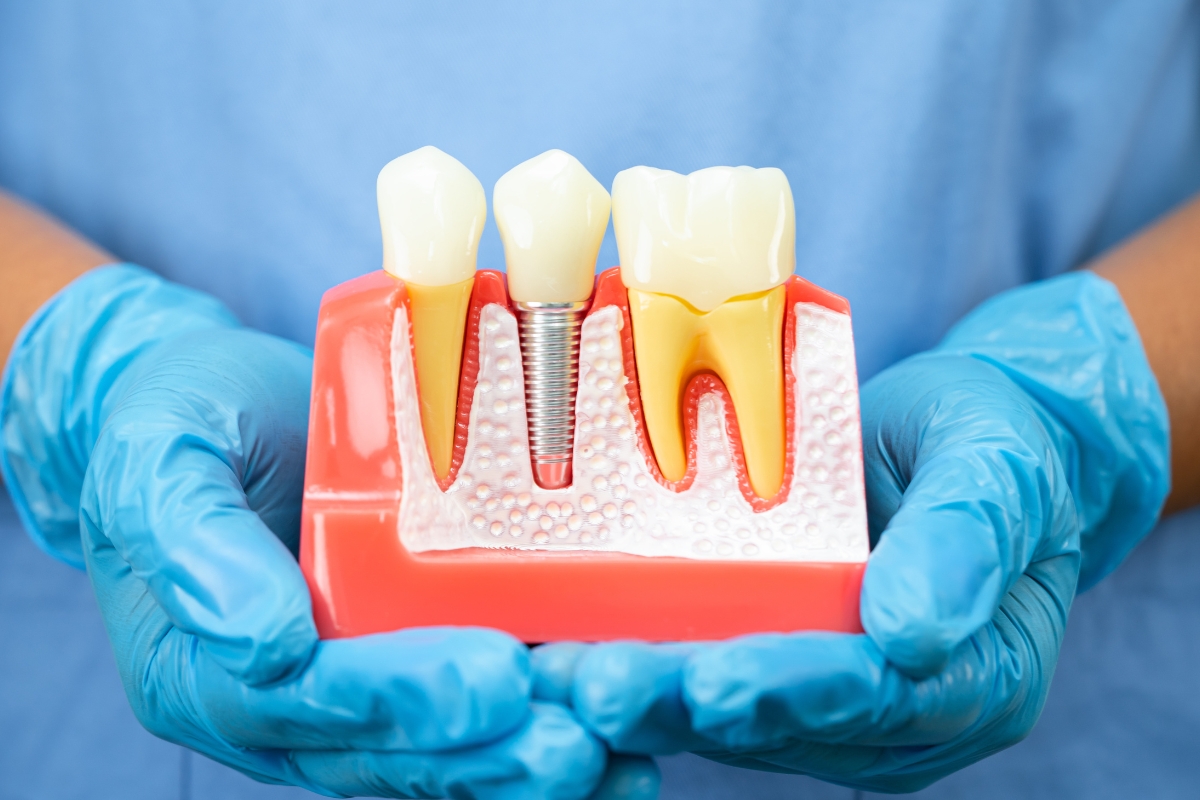
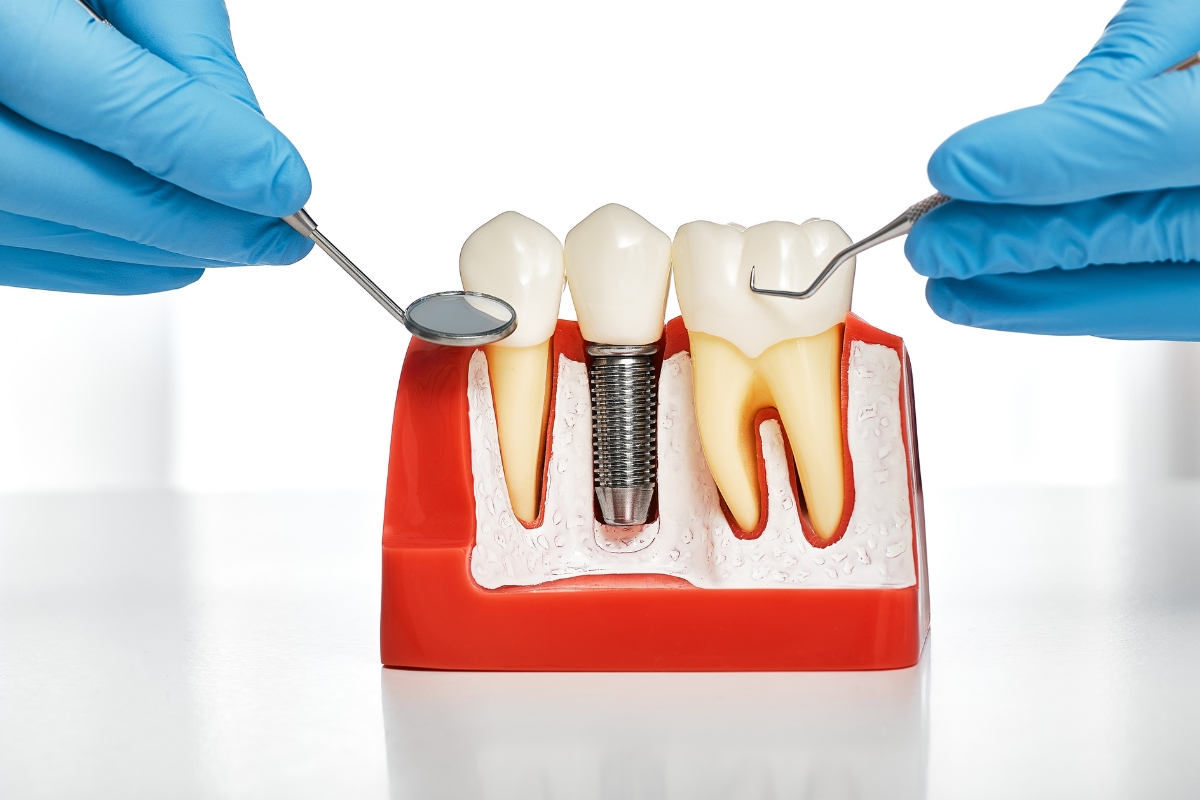
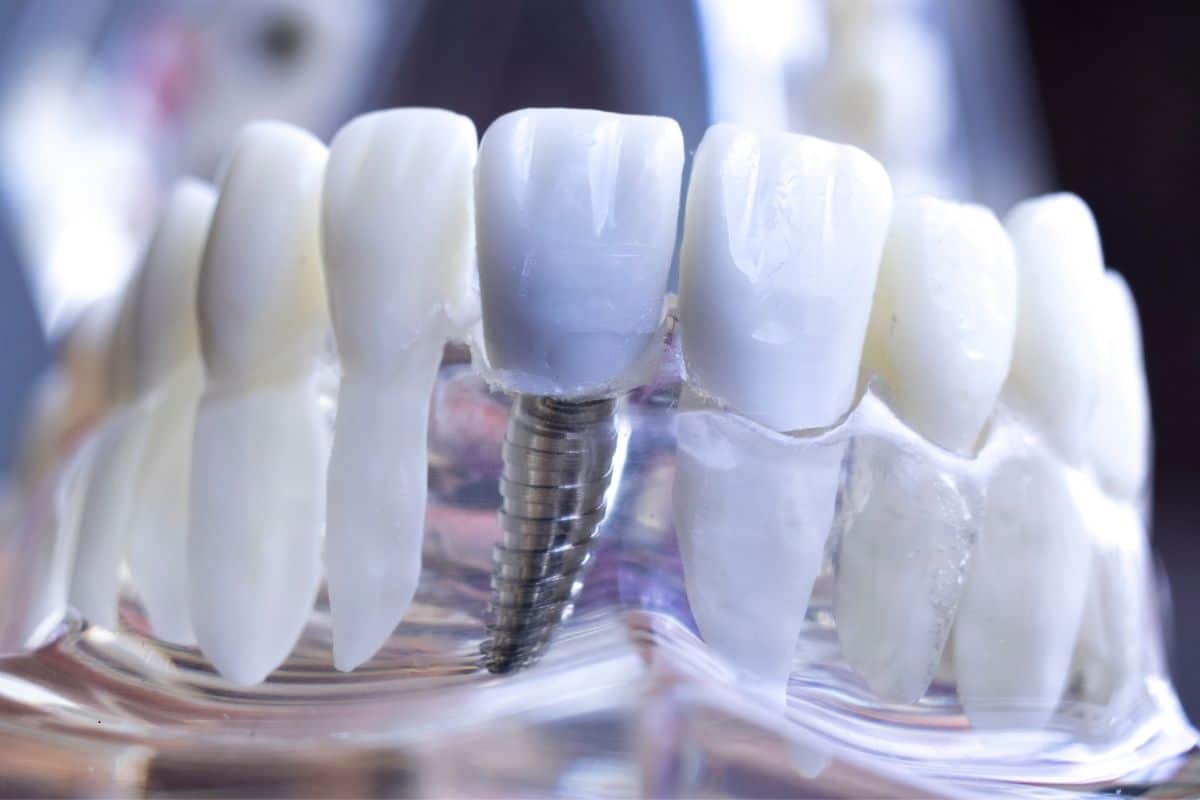
Dental implants are biocompatible artificial tooth roots, usually constructed of titanium. The implant is surgically placed in the jawbone, acting as a support for a dental crown, bridge, or denture. Over time, the implant fuses with the surrounding bone in a process called osseointegration, which ensures stability and durability. Dental implants are a long-term investment in dental health since they can endure for many years.
Can Your Body Reject a Dental Implant?
Technically, the body doesn’t “reject” a dental implant in the same fashion it might reject a transplanted organ. Organ rejection happens when the immune system recognizes the foreign tissue as a threat and attacks it. Dental implants, on the other hand, are made from biocompatible materials like titanium, which the body usually accepts.
However, implant failure can still happen. The causes are usually linked to the implant’s failure to integrate with the bone, infection, or mechanical problems, rather than the body rejecting the implant itself. While the immune system may not attack the implant directly, other factors can lead to complications that might cause the implant to fail.
What Increases the Risk of Implant Failure?
Several factors can increase the risk of dental implant failure. Understanding these risks can help you make informed decisions and take steps to prevent complications.
- Infection (Peri-Implantitis)
Infection around the dental implant site, known as peri-implantitis, is one of the most common causes of implant failure. Bacteria can accumulate at the gum line and around the implant if proper oral hygiene isn’t maintained. This infection can damage the bone and surrounding tissues, leading to the implant becoming loose.
To prevent peri-implantitis, it’s essential to maintain good oral hygiene by brushing, flossing, and using antibacterial mouthwash. Regular visits to your dentist for cleanings and check-ups can also help detect early signs of infection.
- Poor Bone Density
Successful osseointegration requires a sufficient amount of healthy bone for the implant to fuse with. If your jawbone doesn’t have enough density or volume, the implant may not secure properly, leading to failure. Bone loss can occur due to gum disease, tooth loss, or osteoporosis.
A dentist may recommend a bone graft prior to the implant procedure if you do not have sufficient bone density. This process adds bone material to your jaw, providing a solid foundation for the implant.
- Smoking
Smoking significantly increases the risk of dental implant failure. It reduces blood flow to the gums, which impairs healing and increases the risk of infection. Smokers are more likely to develop peri-implantitis, which can lead to implant failure.
If you’re a smoker considering dental implants, quitting smoking before and after the procedure can dramatically improve the chances of success.
- Chronic Health Conditions
Certain health conditions, such as diabetes or autoimmune diseases, can affect the body’s ability to heal and fight infections. Poorly controlled diabetes, in particular, can slow down the healing process, making it more difficult for the implant to integrate with the bone.
If you have a chronic condition, it’s crucial to work closely with your dentist and healthcare provider to manage your health before undergoing implant surgery. Proper management of these conditions can increase the likelihood of a successful implant.
Signs of Implant Failure:
It’s essential to be aware of the signs of potential implant failure so that you can address issues promptly. These signs include:
- Persistent pain or discomfort around the implant site
- Swelling or inflammation in the gums
- Implant mobility (a loose feeling)
- Difficulty chewing or biting
- Pus or bleeding around the implant
If you experience these symptoms, contact your implant dentist immediately to assess the situation and prevent further complications.
How to Prevent Dental Implant Failure?
While no medical procedure is without risk, there are steps you can take to minimize the chance of dental implant failure:
- Choose an experienced dentist: An experienced oral surgeon or implant specialist can improve the likelihood of a successful procedure.
- Maintain oral hygiene: Brush and floss regularly, and use an antibacterial mouthwash to keep the area around your implant clean.
- Attend regular check-ups: Regular dental visits allow your dentist to monitor your implant’s health and catch any issues early.
- Quit smoking: If you smoke, quitting will increase the likelihood of a successful implant.
- Manage chronic conditions: Keep conditions like diabetes under control by following your healthcare provider’s advice.
While your body technically doesn’t “reject” dental implants in the same way it might reject an organ transplant, several factors can lead to implant failure. Infection, poor bone density, smoking, and chronic health conditions all contribute to an increased risk. By choosing an experienced dentist in Tulsa, maintaining good oral hygiene, and addressing any health concerns before surgery, you can greatly increase the chances of your dental implant’s success.