5602 S Memorial Dr, Tulsa, OK 74145
What Happens When You Skip the Dentist for Too Long


Skipping regular dental visits is something many people do at some point in their lives. Whether it’s because of a busy schedule, fear of the dentist, or simply because you feel your teeth are doing fine, putting off those checkups can lead to some serious consequences. While you may not see any immediate effects from missing a few dental visits, the longer you go without professional care, the more problems can arise.
In this blog, we’ll explore the consequences of skipping your dental visits for years, from cavities and gum disease to more severe health risks. We’ll also give you advice on when and why you should make it a priority to visit a dentist to maintain your oral health and overall well-being.
What Happens When You Skip Dental Visits for Years?
It’s easy to overlook the need for regular dental checkups when you’re not in any pain. However, neglecting your oral health can have serious long-term consequences. Here are some of the key risks associated with skipping dental appointments for years:
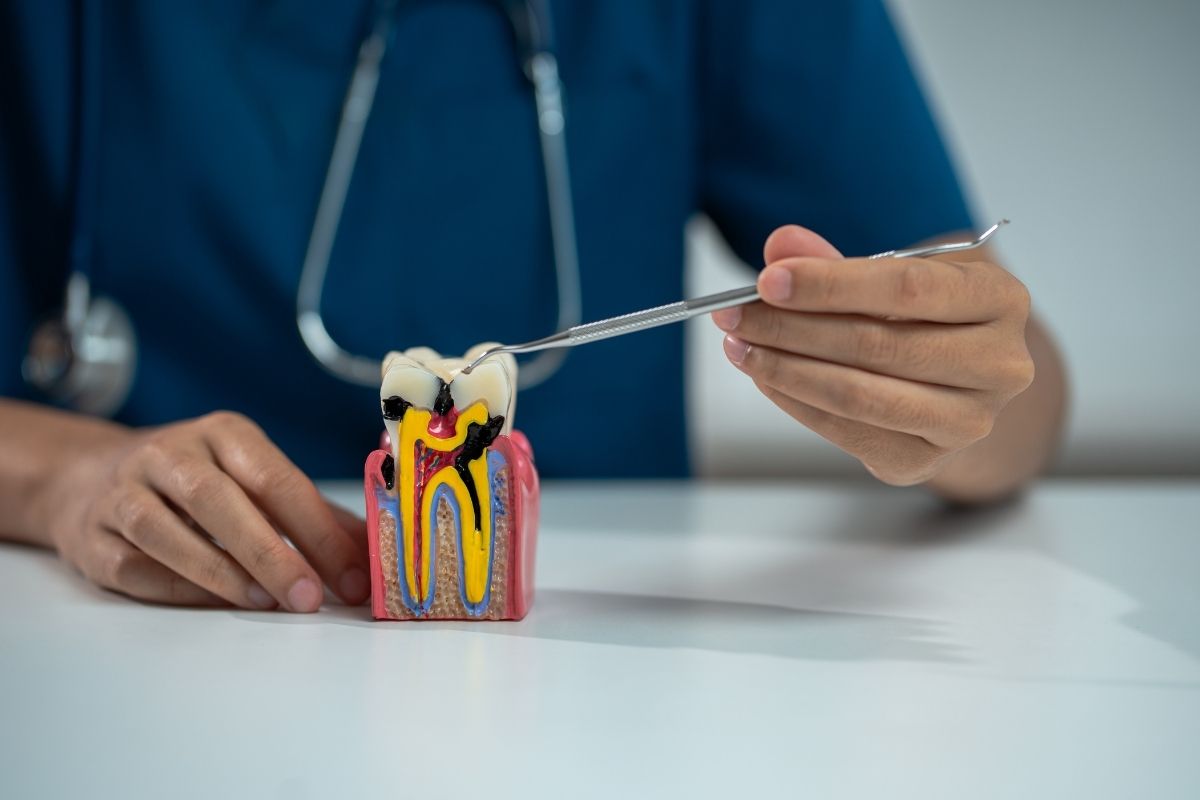
1. Increased Risk of Cavities and Tooth DecayOne of the most common consequences of missing regular dental checkups is the development of cavities. Cavities often begin as minor issues that are easy to address. Still, if left untreated, they can develop into larger problems that require more invasive procedures, such as fillings or root canals. Without regular cleanings and check-ups, plaque and tartar buildup can lead to cavities that may go unnoticed until they cause significant pain or infection.
A dentist can detect cavities in their earliest stages, making treatment easier and less costly.
2. Gum Disease and GingivitisGum disease is another common consequence of neglecting dental visits. When plaque and tartar are left on your teeth, they can irritate the gums and lead to gingivitis, the earliest stage of gum disease. Gingivitis is usually reversible with proper care, but if left untreated, it can progress to periodontitis, a more severe form of gum disease that can lead to tooth loss.
Regular visits to the dental practitioner help prevent gum disease by keeping your gums healthy and ensuring that plaque and tartar are removed before they cause severe damage.
3. Tooth LossTooth loss is one of the most severe consequences of neglecting dental care for an extended period. Untreated gum disease, cavities, or infections can cause your teeth to weaken and eventually lead to their loss. If you don’t visit the dental professional regularly, you might not notice a problem until it’s too late to save your teeth.
A local dentist can help prevent tooth loss by identifying and treating issues before they progress to a stage where extraction is necessary.
4. Bad Breath (Halitosis)Chronic bad breath, or halitosis, is another unpleasant consequence of not seeing a dentist regularly. When bacteria and plaque accumulate in your mouth, they can produce foul odors. While brushing and mouthwash can temporarily mask the smell, professional cleanings remove the root causes and prevent bad breath from becoming a persistent problem.
A dental care practitioner can identify any oral health issues that may be contributing to bad breath and offer solutions to help you maintain fresh breath.
5. Increased Risk of Oral CancerOral cancer is a serious condition that can develop without noticeable symptoms. However, dentists are trained to spot signs of oral cancer during routine exams. Skipping regular dental visits means missing out on the opportunity for early detection, which is key to successful treatment.
During your check-up, your dental professional will examine your mouth for any signs of oral cancer, which can increase the chances of successful treatment if detected early.
6. Higher Costs for TreatmentWhen you skip dental visits, minor issues can turn into big problems that require more expensive treatments. What might have been a simple filling could eventually turn into a root canal or even tooth extraction. Not visiting the dentist regularly can also result in more complicated procedures, such as crowns or dental implants, all of which are more costly than preventive care.
Regular checkups are an investment in your oral health and can save you money by preventing costly treatments down the line.
7. Impact on Overall HealthYour dental health is closely linked to your overall health. Poor oral hygiene has been connected to a variety of health problems, including heart disease, diabetes, and stroke. Bacteria from untreated gum disease can enter the bloodstream and affect the body’s ability to fight off infections, potentially leading to other health complications.
By maintaining your oral health through regular visits, you are also investing in your overall well-being.
When Should You Visit Your Dentist to Prevent These Issues?
To reduce the risk of these serious consequences, it’s essential to make regular dental visits a part of your routine. Most people should see a local dentist at least once every six months for a routine checkup and cleaning.
However, if you experience any discomfort, such as tooth pain, bleeding gums, or sensitivity, it’s essential to consult your dental professional as soon as possible.
Don’t wait for problems to get worse. Schedule a checkup as soon as possible to avoid long-term damage to your teeth and gums.
Don’t Let Your Oral Health Slip—Visit Our Dental Office Today
Skipping dental visits for years might seem harmless at first, but the long-term effects can be serious—and expensive. Cavities, gum disease, and other hidden issues can progress quietly without routine checkups. By making regular dental visits a priority, you can keep your smile healthy, confident, and problem-free.
At Mose Family Dentistry, we proudly serve Tulsa residents and nearby communities with compassionate, comprehensive dental care. From preventive cleanings and exams to advanced restorative treatments, our experienced team is dedicated to maintaining your oral health at every stage of life.
Don’t wait until a dental emergency brings you in—schedule your appointment today at our dental office and take a proactive step toward a lifetime of healthy smiles.
FAQs
1. How often should I visit the dentist?
It’s recommended to visit the dentist every six months for a routine checkup and cleaning.
2. What are the signs that I need to see a dentist?
Pain, sensitivity, bleeding gums, or bad breath are signs that you should see a dentist sooner rather than later.
3. Can skipping dental visits cause gum disease?
Yes, skipping dental visits can allow plaque and tartar to build up, leading to gum disease.
4. How can I prevent tooth loss?
Regular dental checkups, good oral hygiene practices, and prompt treatment for any dental issues can prevent tooth loss.
5. What can I do if I have persistent bad breath?
Persistent bad breath may be a sign of an underlying issue, such as gum disease or cavities. A dentist can help identify the cause and provide treatment.
6. Is oral cancer screening part of my dental visit?
Yes, dentists routinely check for signs of oral cancer during exams, which can lead to early detection and better treatment outcomes.