5602 S Memorial Dr, Tulsa, OK 74145
How Quitting Smoking Benefits Your Oral Health?

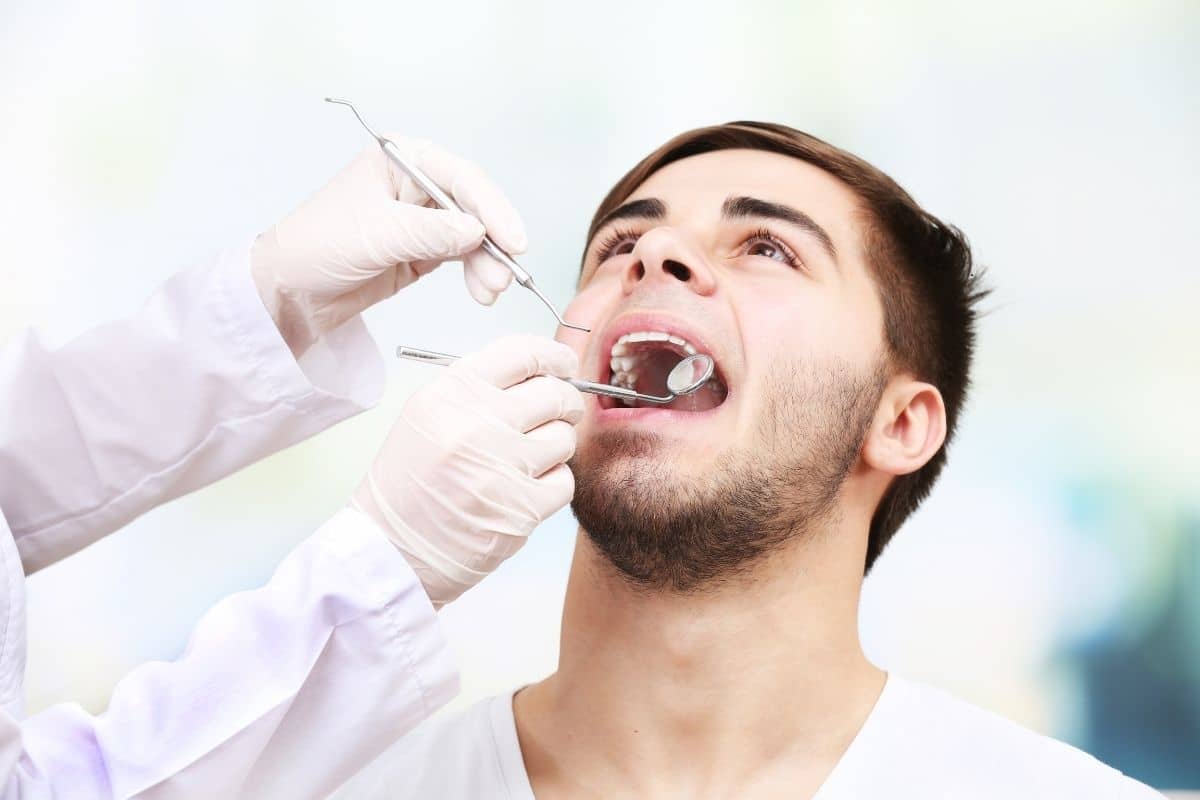
If you’re considering quitting smoking, there are plenty of compelling reasons for your overall health—but did you know it also has an incredible impact on your oral health? Smoking affects everything from your gums to your teeth and can even increase your risk of oral cancer. Understanding the benefits of quitting can motivate you to break the habit finally.
How Quitting Smoking Transforms Your Oral Health?
Healthier Gums and Reduced Gum Disease Risk:
One of the most immediate benefits of quitting smoking is improved gum health. Smoking restricts blood flow, making it harder for your gums to heal and stay healthy. Smokers have a much higher risk of gum disease, which can lead to tooth loss if left untreated. Once you quit smoking, blood flow to your gums improves, allowing essential nutrients and oxygen to reach your gum tissues more effectively. This boost in circulation strengthens your gums, reduces inflammation, and lowers your overall risk of gum disease.
Fresher Breath and Improved Sense of Smell and Taste:
Let’s face it—smoking leads to persistent bad breath, also known as halitosis. The smell of tobacco lingers in the mouth, creating an unpleasant odor that’s hard to mask. By quitting, you’re eliminating one of the primary sources of bad breath and giving yourself a fresher, cleaner-smelling mouth. Additionally, smoking dulls your senses of smell and taste over time. Quitting allows your taste buds to recover so you can fully enjoy the flavors of your favorite foods again.
Whiter Teeth and Less Staining:
Smoking causes yellowing and staining of teeth because the nicotine and tar in cigarettes cling to the enamel. Over time, these stains deepen and become harder to remove with regular brushing. Once you stop smoking, you’ll notice that your teeth stain less frequently, and any lingering stains can be more effectively addressed through professional whitening treatments or regular cleanings. Many people find their teeth look noticeably whiter and brighter within a few weeks of quitting.
Reduced Risk of Oral Cancer:
Smoking significantly increases your risk of developing oral cancer, as it exposes the mouth to toxic chemicals that damage cells over time. Oral cancer is one of the more aggressive forms of cancer, but it’s also preventable with lifestyle changes. Quitting smoking drastically lowers your risk, as it eliminates one of the primary sources of carcinogens in the mouth. By reducing this risk factor, you’re taking a proactive step toward long-term oral health and peace of mind.
Better Healing After Dental Procedures:
If you’re a smoker and you’ve had a tooth extraction, dental implant, or other oral surgery, you may have noticed that healing takes longer than expected. Smoking interferes with blood flow and the body’s ability to produce collagen, both essential for healing after dental procedures. Quitting helps speed up the healing process, as your body can repair itself more effectively without interference from tobacco-related toxins. Whether you’re considering future dental work or you’re healing from recent procedures, quitting smoking can significantly improve your recovery time and overall experience.
Increased Protection Against Tooth Decay:
Smoking reduces saliva production, which is essential for washing away food particles and neutralizing acids in the mouth. With less saliva, you’re more vulnerable to tooth decay, leading to cavities and, eventually, tooth loss. When you quit smoking, your saliva production normalizes, enhancing your mouth’s natural ability to protect against decay. This boost in saliva flow also helps maintain a balanced pH level, which is crucial for long-term dental health.
Improved Immune Response and Oral Defense:
Smoking compromises your immune system, making it harder for your body to fight infections. This weakened immune response leaves you more susceptible to bacterial infections and inflammation in the mouth. Once you quit, your immune system protects your oral tissues from infections and other issues more effectively. This increased immunity means you’re better able to resist common oral health problems like gingivitis, mouth sores, and bacterial buildup.
Enhanced Confidence and Well-Being:
Quitting smoking doesn’t just transform your oral health; it can also improve your confidence. Yellowed teeth, persistent bad breath, and gum issues can embarrass your self-esteem. By quitting, you can smile without worry, eat and drink without limitations, and feel proud of the steps you’re taking for your health. Many people find that the oral health benefits of quitting smoking contribute to a heightened sense of well-being and self-worth.
Quitting smoking is a powerful decision that can transform your life and significantly boost your oral health. The benefits are clear and immediate, from reducing your risk of gum disease and oral cancer to improving your breath and the color of your teeth. By quitting smoking, you’re protecting your mouth and investing in a healthier, happier you.
If you’re looking for support in your journey to better oral health, consider visiting a dentist in Tulsa. A professional can provide guidance on maintaining optimal dental health after quitting smoking and offer treatments to restore your smile.