5602 S Memorial Dr, Tulsa, OK 74145
Missing Teeth? Compare the Best Treatment Options for Your Smile

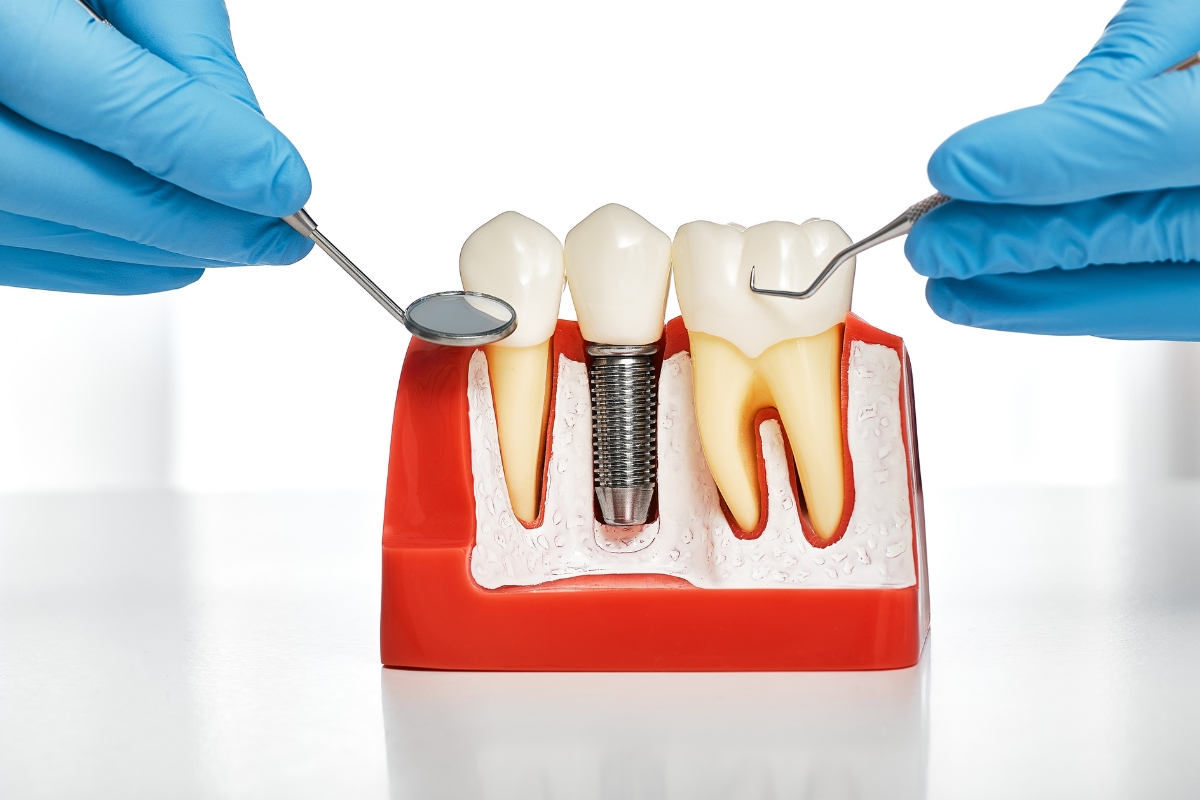
Missing teeth affect more than just your appearance, they impact your confidence, your bite, your speech, and even your bone health. The good news? Missing teeth replacement has never been more advanced or accessible. This guide walks you through every option so you can walk into your consultation at Mose Family Dentistry fully informed.
Losing a tooth whether from decay, injury, or gum disease, can feel overwhelming. But millions of people restore their smiles every year with safe, proven treatments. The key is finding the right solution for your unique needs, budget, and lifestyle.
Why Replacing Missing Teeth Matters
It’s tempting to leave a gap especially if the missing tooth isn’t visible. But dental professionals consistently advise against it. Here’s why:
- Neighboring teeth gradually shift into the empty space, throwing off your bite
- The jawbone beneath the gap begins to shrink (a process called resorption) within months
- Chewing becomes uneven, straining other teeth and jaw joints
- Speech can be affected, especially with front teeth
- Self-confidence often takes a real hit, affecting social and professional life
The sooner you explore missing teeth replacement, the more options you’ll have and the easier (and often less costly) treatment becomes.
Your Missing Teeth Replacement Options at a Glance
1. Dental Implants: The Closest Thing to a Natural Tooth
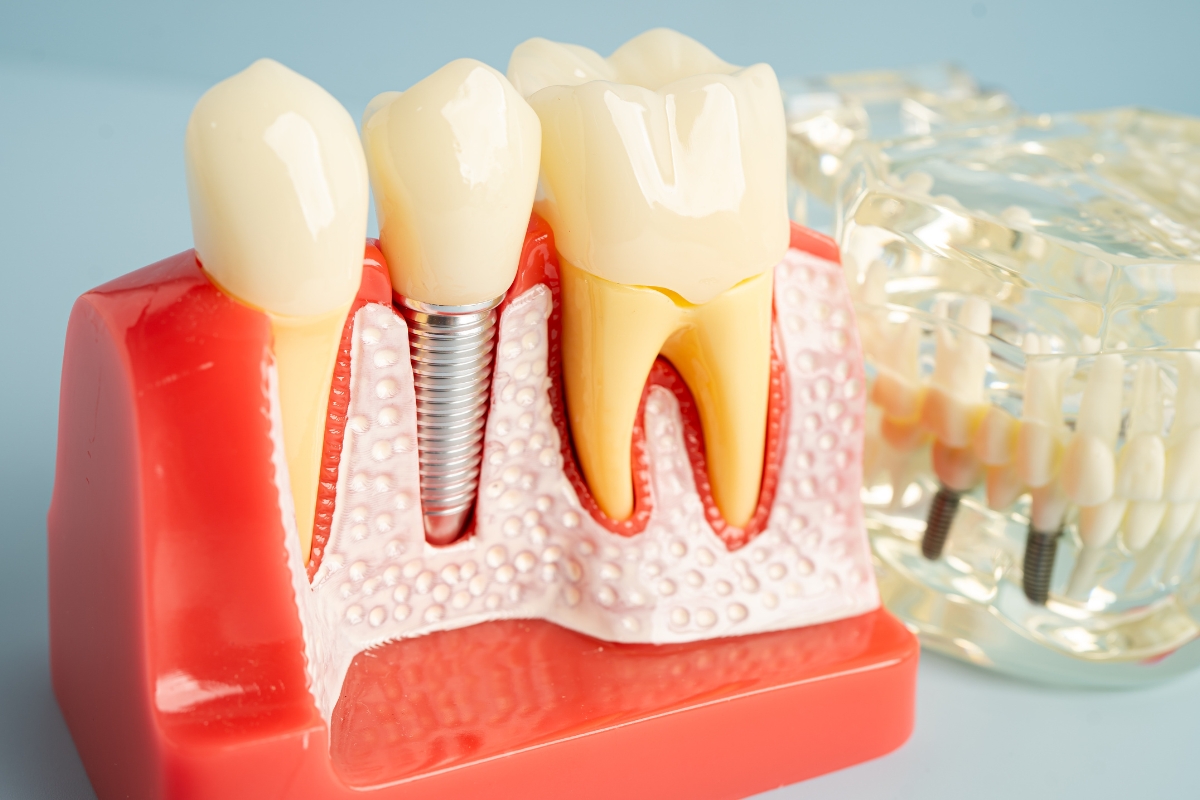
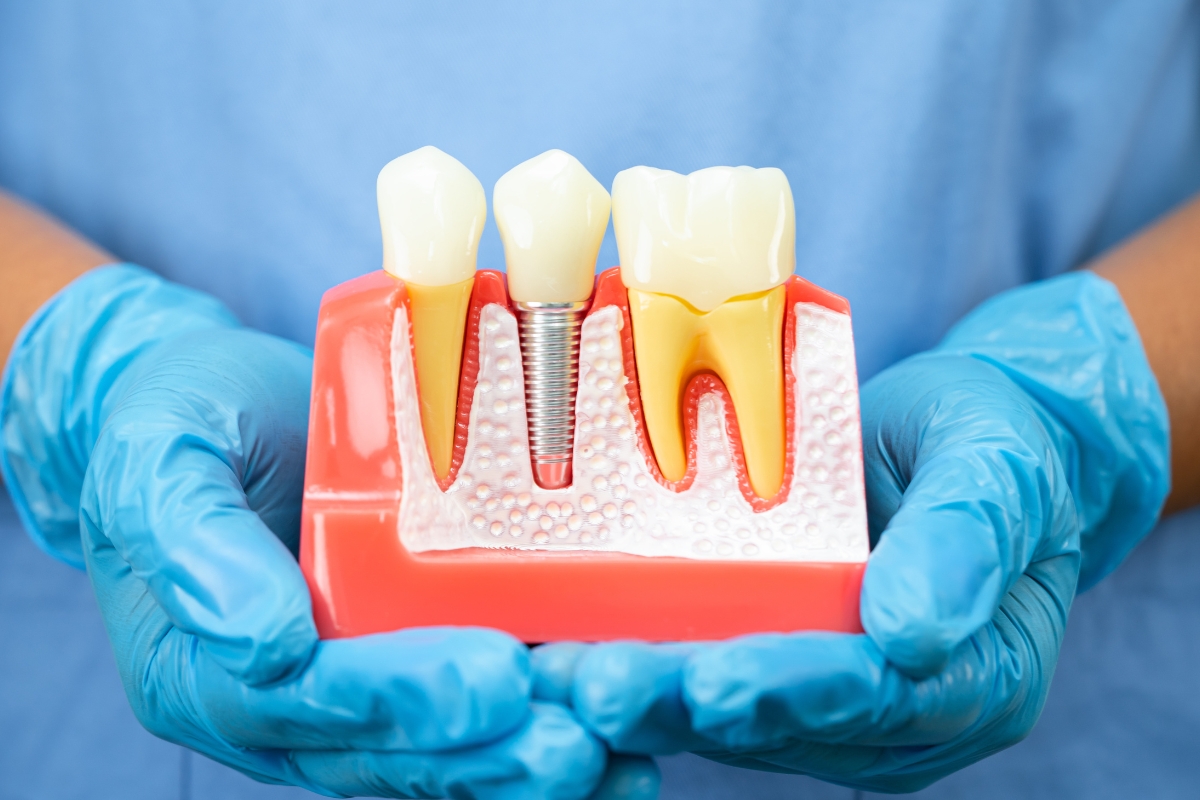
What it is: A titanium post fused to your jawbone, topped with a custom crown. Considered the gold standard for missing teeth replacement.
- Can last a lifetime with proper care
- Preserves jawbone the only solution that does
- Looks and feels indistinguishable from a real tooth
- No impact on neighboring teeth
Best for: Patients missing one or several teeth who have sufficient jawbone density and want a permanent, low-maintenance solution.
2. Dental Bridges: No Surgery, Reliable Results
What it is: A false tooth anchored to crowns placed on the adjacent teeth on either side of the gap. No surgery needed a fixed, natural-looking restoration.
- Procedure completed in just two appointments
- Strong, natural-looking results
- More affordable than implants upfront
- Requires reshaping of healthy neighboring teeth
Best for: Patients who want a fixed, non-removable solution without surgery, especially when adjacent teeth already need crowns.
3. Partial Dentures: Versatile and Accessible
What it is: A removable appliance that clips onto remaining teeth with clasps. A budget-friendly missing teeth replacement for multiple gaps.
- No surgical procedures required
- Can replace multiple teeth in different areas of the mouth
- Easy to adjust if more teeth are lost later
- Must be removed at night and cleaned daily
Best for: Patients missing several teeth across one arch, or those seeking a reversible, cost-effective option.
4. Implant-Supported Dentures: Stability Meets Affordability
What it is: A full set of teeth anchored by just two to four implants. Far more stable than conventional dentures, without replacing every tooth individually.
- No more slipping or adhesive creams
- Significantly better chewing efficiency
- Can be removable (snap-on) or permanently fixed
- Fewer implants needed than individual tooth replacement
Best for: Patients missing most or all teeth on one arch who want something far more stable than conventional dentures.
Side-by-Side Comparison
| Treatment | Durability | Bone Preservation | Surgery |
| Dental Implant | Lifetime | Yes | Yes |
| Dental Bridge | 10–15 years | No | No |
| Partial Denture | 5–10 years | No | No |
| Implant Denture | 15+ years | Partial | Yes (minimal) |
How to Choose the Right Missing Teeth Replacement for You
There’s no universal ‘best’ option the right choice depends on several personal factors your dentist will evaluate:
- One tooth vs. a full arch changes everything
- Implants require adequate bone density; grafting may be needed if resorption has occurred
- Gum disease and decay need to be treated before replacement
- Some plans cover bridges or dentures more generously than implants
- Fixed solutions suit low-maintenance needs; removable options offer flexibility
A thorough examination including digital X-rays and possibly a 3D CBCT scan gives your dentist the full picture to recommend what will genuinely work best for your mouth and your life.
What to Expect at Your First Appointment
Many patients feel anxious about taking that first step, but the initial consultation is simply a conversation and an assessment. At Mose Family Dentistry in Tulsa, OK, you can expect:
- A full review of your dental and medical history
- Digital imaging to assess bone levels and surrounding teeth
- A candid discussion of all suitable treatment options
- A transparent cost breakdown and timeline
- Zero pressure just honest, patient-centered guidance
The goal is to help you make a confident, informed decision not to rush you into anything.
Ready to Restore Your Smile?
The team at Mose Family Dentistry in Tulsa, OK 74145 is here to help you find the missing teeth replacement solution that fits your life.
Schedule your appointment today and take the first step toward a complete, confident smile.
Questions Patients Commonly Ask About Tooth Replacement
1) Does getting a dental implant hurt?
Most patients are surprised by how comfortable the procedure is. Local anesthesia is used throughout, and sedation options are available. Post-procedure soreness is typically mild and managed with over-the-counter pain relievers for a few days.
2) How long does the whole implant process take?
The total timeline is typically 3–6 months. The implant post is placed first and allowed to fuse with the bone. Once healed, the final crown is attached. Some cases qualify for ‘same-day’ teeth ask your dentist if you’re a candidate.
3) Will my dental insurance cover tooth replacement?
Coverage varies widely by plan. Many plans cover a portion of bridges and dentures, while implants are less commonly covered though this is changing. Flexible payment plans are often available. Your dental office can review your benefits before treatment begins.
4) Can I get an implant if I’ve had bone loss?
Often, yes though it may require a bone graft first to build up enough density. This adds time to the process but opens the door to implants for many patients who assumed they weren’t candidates. A CBCT scan at your consultation will give a clear answer.
5) How do I care for my replacement teeth?
Implants and bridges are cared for just like natural teeth brushing, flossing, and regular checkups. Partial and full dentures need to be removed at night and cleaned with denture-specific products. Good oral hygiene extends the life of any restoration significantly.