5602 S Memorial Dr, Tulsa, OK 74145
Shining Smile, Healthy You: Who Might Not Be a Good Candidate for Teeth Whitening?

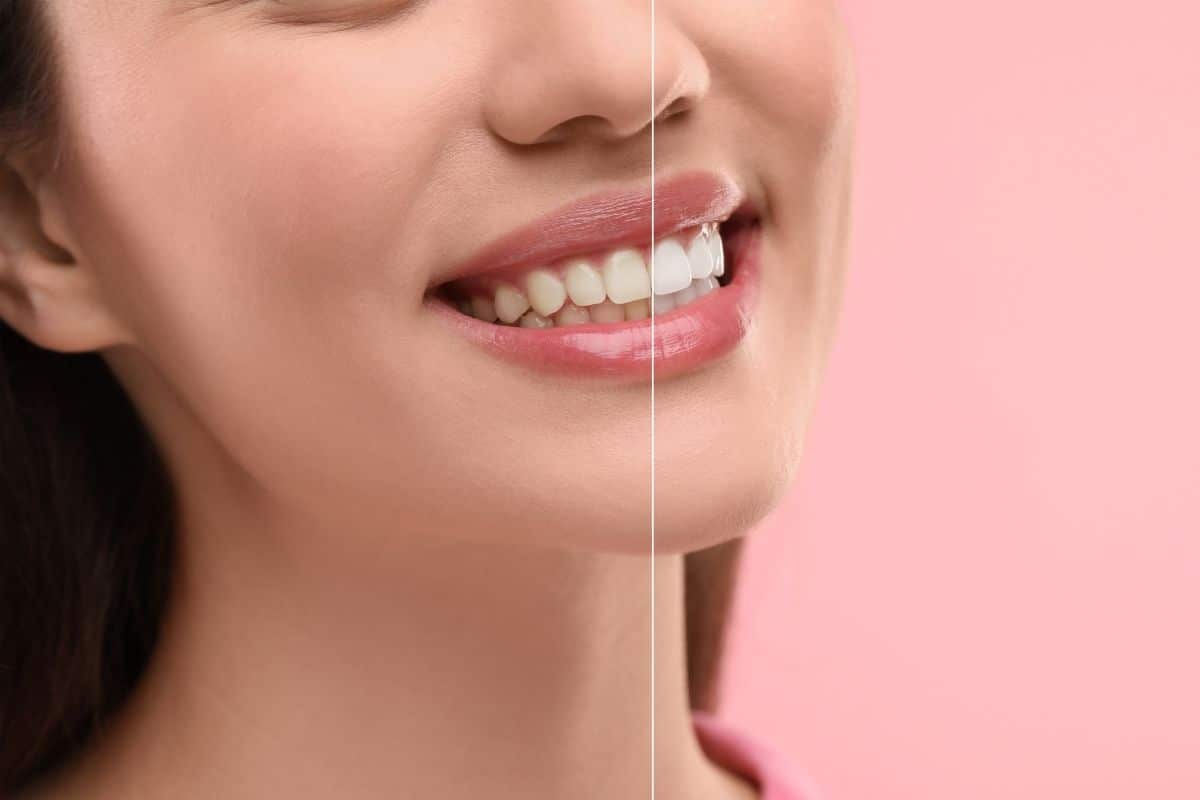
Achieving a bright, white smile is a common goal for many. Teeth whitening can boost confidence and leave you feeling great about your appearance. But while teeth whitening is widely available, it’s not the right choice for everyone. Here, we’ll discuss who might not be the best candidate for teeth whitening and why, helping you make an informed decision about your oral health.
Individuals with Sensitive Teeth
If you have sensitive teeth, whitening may not be the best option. Whitening agents, particularly those found in over-the-counter products, can worsen sensitivity, causing discomfort. If you already experience sensitivity when eating or drinking hot and cold items, consult your cosmetic dentist before pursuing teeth whitening. Your cosmetic dentist might recommend alternatives, such as toothpaste for sensitive teeth or milder whitening options, to avoid increased sensitivity.
People with Gum Disease or Tooth Decay
Teeth whitening can exacerbate dental problems, such as gum disease and tooth decay. If you have untreated cavities or signs of gum disease, like bleeding gums, you’ll need to address these issues first. Whitening treatments can irritate inflamed gums and expose decayed areas, potentially causing pain. Your cosmetic dentist can help you restore your oral health first, making whitening a safer choice.
Patients with Tooth Restorations
Many people don’t realize dental restorations, like crowns, veneers, and fillings, don’t respond to whitening treatments. Whitening agents lighten teeth by affecting the enamel, which doesn’t apply to most restorations. If you have visible restorations, whitening could lead to uneven results, as only your natural teeth will lighten. To ensure a consistent appearance, discuss alternative options with your cosmetic dentist, such as replacing old restorations or considering other cosmetic treatments.
Pregnant or Nursing Women
If you’re pregnant or nursing, it’s wise to hold off on teeth whitening. While there’s limited research on the effects of whitening treatments during pregnancy, dentists generally advise against unnecessary treatments that involve chemicals. By waiting until after pregnancy or nursing, you can prioritize your health and avoid any potential risks, however minor.
Individuals with Certain Allergies
Teeth whitening products can contain ingredients that may trigger allergies in some people. For example, many contain hydrogen peroxide, which can irritate sensitive skin or cause an allergic reaction. If you have a known allergy to any whitening ingredient, speak to your cosmetic dentist about alternative options. A professional dental consultation can help you find a safer path to achieving a whiter smile.
Teens and Young Adults Under 16
Teeth whitening is generally not recommended for children and teens under 16. At this stage, their enamel is still developing, making their teeth more vulnerable to damage. Whitening treatments can weaken enamel and lead to increased sensitivity, especially in younger patients. If you’re a parent considering whitening for your teen, discuss options with your family dentist. They can provide guidance on appropriate treatments that safeguard your child’s long-term dental health.
People with Intrinsic Tooth Stains
Not all tooth stains respond well to whitening. Stains caused by trauma, certain medications (like tetracycline), or excessive fluoride exposure are typically intrinsic, meaning they occur within the tooth. Whitening treatments are most effective on extrinsic stains, like those from coffee, tea, or tobacco. If you have intrinsic stains, your cosmetic dentist can suggest other cosmetic options, such as veneers, which may be more effective for your needs.
Finding the Right Option for You in Tulsa:
If you fall into any of these categories, it doesn’t mean you can’t ever achieve a brighter smile. You have options! Consulting with your cosmetic dentist in Tulsa is the first step to understanding what’s best for your teeth. Together, you can explore alternatives, such as professional cleanings, veneers, or even gentler whitening treatments designed for sensitive teeth. Your cosmetic dentist will help you determine the best option based on your unique dental health.
Teeth whitening can make a big difference in your appearance and confidence. But it’s essential to know when it’s the right option and when it’s better to explore alternatives. By being informed and consulting with your cosmetic dentist, you’re taking the right steps toward a smile that’s not just beautiful, but healthy too. After all, a shining smile starts with strong, healthy teeth.