5602 S Memorial Dr, Tulsa, OK 74145
The Link Between Oral Health and Overall Health

When you think about oral health, brushing and flossing are at the top of your mind. But your mouth can also provide vital insights into your overall well-being. In Tulsa, more dentists and healthcare providers are recognizing the strong connection between oral conditions and chronic illnesses like heart disease, diabetes, and even dementia. By understanding how oral health impacts your entire body, you can take meaningful steps to protect both, starting with your smile.
Understanding the Oral-Systemic Health Connection
Your mouth is more than just a place for chewing and smiling; it’s a gateway to your body, and its health is closely connected to your overall well-being. A balanced oral microbiome of beneficial and harmful bacteria is key in keeping your gums and teeth healthy. When this balance is disrupted by poor hygiene, diet, or illness, harmful bacteria can enter the bloodstream and contribute to inflammation and infection elsewhere in the body.
Conditions Linked to Poor Oral Health
- Cardiovascular Disease: Numerous studies indicate a link between heart health and gum disease. In addition to raising the risk of heart attack and stroke, the bacteria that cause periodontal inflammation have the ability to enter the bloodstream and contribute to the development of arterial plaque.
- Diabetes: People with diabetes are more prone to infections, including gum disease. The relationship is bidirectional—severe gum inflammation can also make it harder to manage blood sugar, worsening diabetic symptoms.
- Respiratory Infections: Harmful bacteria in the mouth can travel to the lungs when inhaled, increasing the risk of pneumonia and other respiratory illnesses—particularly in older adults.
- Pregnancy Complications: Low birth weight and early birth have been connected to gum disease. Hormonal changes during pregnancy can also make gums more susceptible to inflammation and bleeding.
- Dementia and Alzheimer’s Disease: Emerging research suggests a possible link between chronic gum disease and cognitive decline. Some oral bacteria have been found in the brains of Alzheimer’s patients, suggesting a potential role in neuroinflammation.
- Rheumatoid Arthritis and Osteoporosis: Periodontal disease Inflammation may worsen the symptoms of rheumatoid arthritis. Osteoporosis, which causes bones to become brittle, can also affect the jawbone and increase the risk of tooth loss.
- Cancer Risk: Persistent gum inflammation has been linked to a higher risk of developing cancers of the mouth, pancreas, and kidneys.
Oral Symptoms That Could Signal Bigger Problems
Your mouth can provide early warning signs of systemic issues. For example:
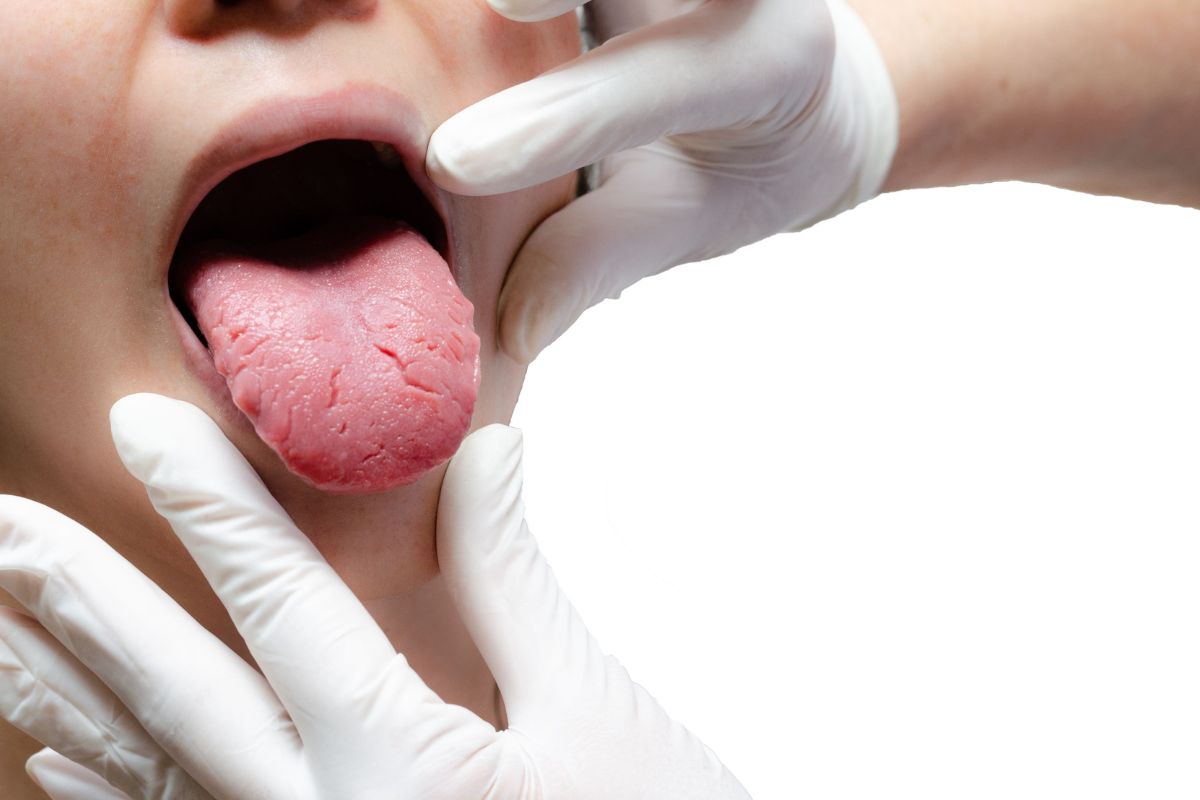
- A smooth, swollen tongue may indicate a vitamin B12 deficiency.
- Chronic dry mouth could indicate an autoimmune disorder like Sjögren’s syndrome.
- Sores that don’t heal or unusual patches in the mouth may be early signs of oral cancer.
- Persistent bad breath can point to systemic infections or gastrointestinal problems.
How Your Lifestyle Affects Both Oral and Systemic Health
What you eat and drink and how you care for your teeth have ripple effects on your entire body. Excessive sugar and acidic foods can lead to tooth decay and inflammation. Smoking and alcohol use can damage your gums and internal organs. Hydration and a balanced diet rich in vitamins and minerals support a healthy mouth and immune system.
Oral Health in Vulnerable Populations
- Pregnant Individuals: Hormonal fluctuations can increase the risk of gingivitis. Regular dental checkups during pregnancy are safe and essential.
- Seniors: Older adults are more prone to dry mouth due to medications and age-related bone loss, making oral care essential.
- Special Needs Patients: Patients with disabilities or chronic health conditions may need customized care routines and more frequent dental visits to prevent complications.
Dental Visits: A Diagnostic Opportunity
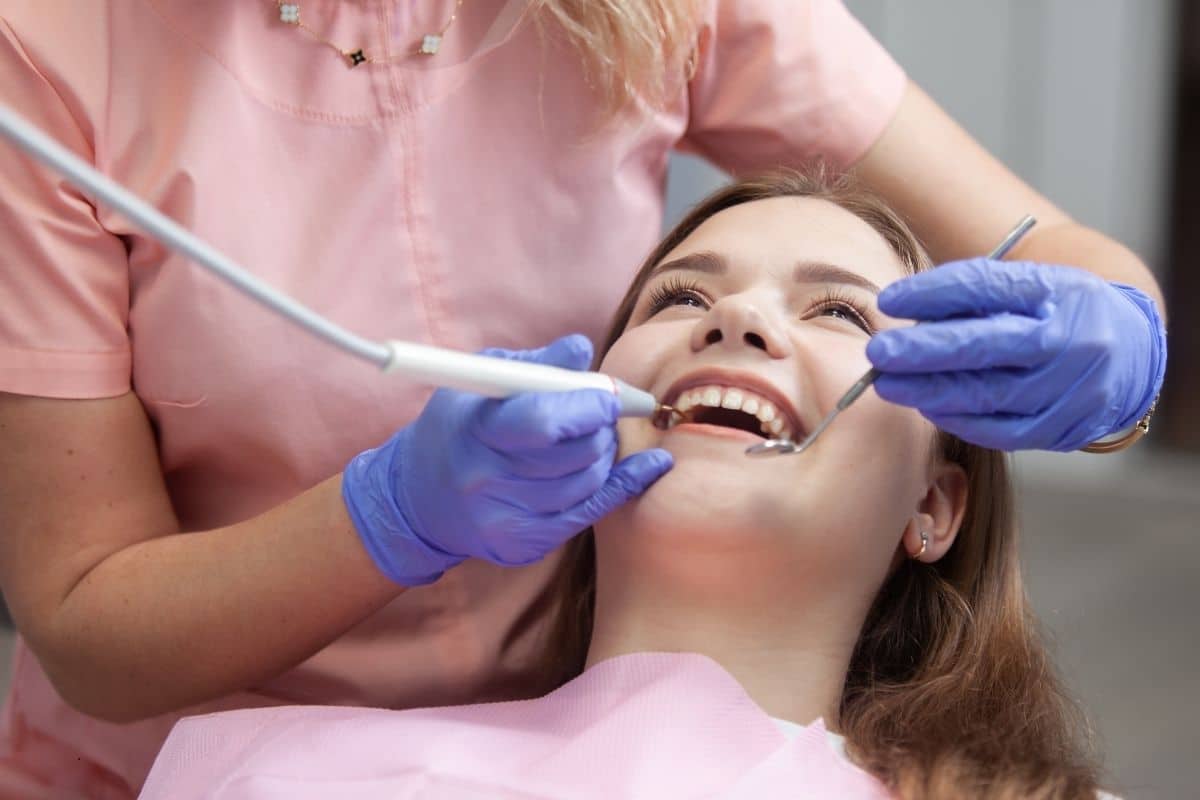
Dentists do more than clean your teeth; they often detect early signs of health conditions that may go unnoticed. From spotting signs of oral cancer to observing symptoms of anemia or diabetes, your dental checkup can be a vital first step in diagnosing larger medical concerns. Your dentist may refer you to a physician for further testing when necessary.
Tips to Support Oral and Overall Health
- Brush your teeth twice daily for at least two minutes using fluoride toothpaste.
- Floss daily to remove bacteria between teeth.
- Use an electric toothbrush or water flosser for enhanced cleaning.
- Eat a nutrient-rich diet and limit sugary snacks.
- Quit smoking and reduce alcohol consumption.
- Drink plenty of water to prevent dry mouth.
- Visit your dentist regularly for exams and cleanings.
- Ask about oral probiotics and supplements that support gum health.
Frequently Asked Questions
- Can gum disease increase my risk for heart problems? Yes. Gum disease inflammation can contribute to arterial plaque buildup, raising your risk of heart disease.
- How does oral health affect my mental well-being? Poor oral health can lead to embarrassment, anxiety, and reduced self-confidence, impacting your mental health and social life.
- Are there warning signs pointing to systemic diseases in the mouth? Yes. Issues like dry mouth, ulcers, bleeding gums, or loose teeth may be early signs of vitamin deficiencies or systemic conditions.
- How should I care for my oral health as I age? Use fluoride toothpaste, stay hydrated, visit your dentist regularly, and inquire about dry mouth treatments.
- Can what I eat affect both my teeth and my body? Absolutely. Diets high in processed foods and sugar contribute to both tooth decay and inflammation throughout the body.
Conclusion
Your oral health is more closely connected to your overall well-being than you may realize. Gum disease, tooth decay, and even bad breath can all signal something more serious. By prioritizing your oral health, you’re also taking a significant step toward protecting your heart, brain, and entire body. Book your Tulsa dentist appointment online today—it’s more than just a cleaning; it’s a checkup for your overall health.