5602 S Memorial Dr, Tulsa, OK 74145
Are Teeth Whitening Strips Safe for Your Enamel?

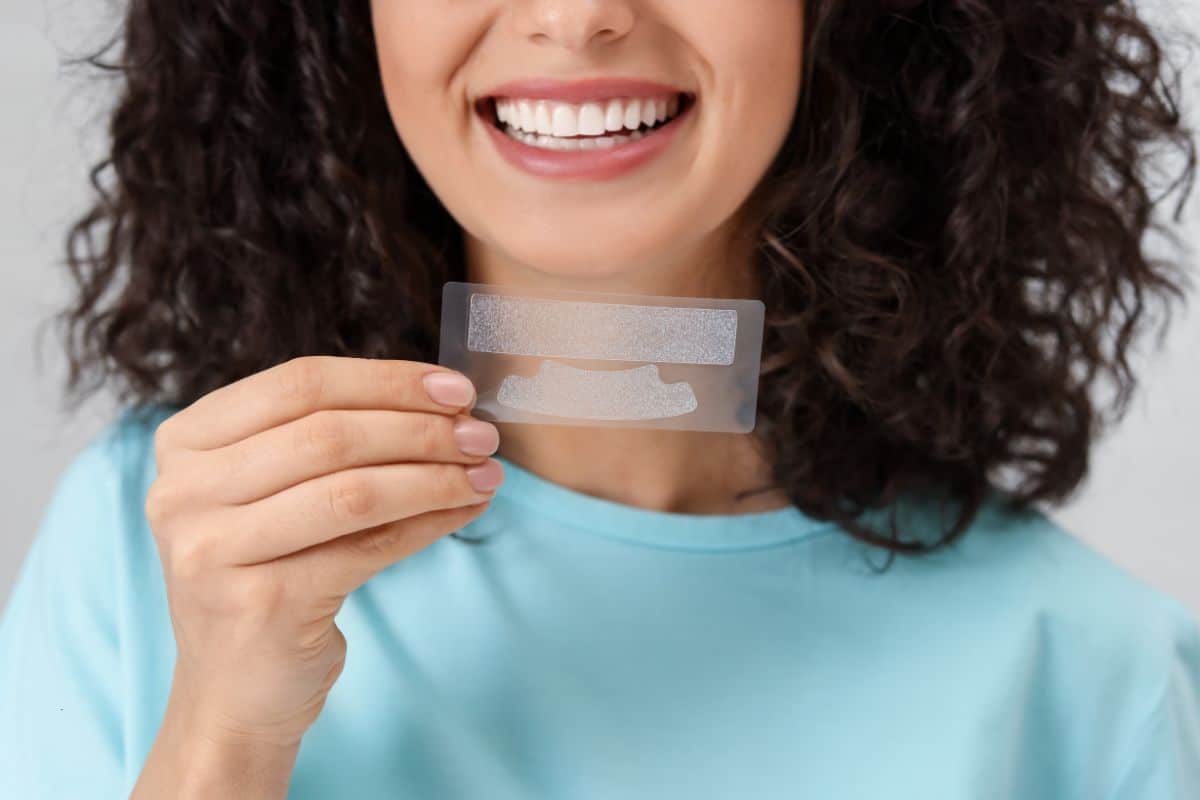
In the quest for a brighter smile, teeth whitening strips are popular because they are convenient and affordable. But if you’re considering them, you’re likely asking the most critical question: Are teeth whitening strips safe for enamel? According to most dental experts, the answer is generally yes, but with crucial caveats regarding use and potential side effects.
The Science: How Whitening Strips Affect Your Enamel
Enamel is the hard, protective outer layer of teeth. The concern about teeth whitening strips stems from their active ingredients, which are typically hydrogen peroxide or carbamide peroxide. These bleaching agents penetrate the enamel layer to break down the colored compounds responsible for stains.
Research shows that high-quality, over-the-counter strips generally do not cause permanent damage to enamel integrity when used as directed. These products are formulated to be effective without dissolving the enamel structure.
Many people experience tooth sensitivity as a main side effect. This occurs when the peroxide temporarily reaches the underlying layer, the dentin, which contains microscopic nerve endings. This sensitivity is usually temporary and resolves quickly after stopping treatment. However, if you have existing cracks or decay, the risk of serious discomfort is higher.
Avoiding Enamel Erosion: Tips for Safe Whitening Strip Use
The biggest threat to enamel is not the strips themselves but their misuse. Excessive use, improper application, or products with dangerously high concentrations of bleaching agents usually cause enamel erosion and irreversible sensitivity.
To ensure your smile stays healthy, follow these rules for using teeth whitening strips safely:
- Follow the Instructions Exactly: Never leave the strips on longer or use them more frequently than the manufacturer recommends. This is the number one cause of overuse risk.
- Monitor Sensitivity: If you experience prolonged or severe discomfort, stop using the product immediately and contact a dental professional.
- Choose Reputable Brands: Look for strips accepted by dental associations, as these products have been tested for safety and efficacy.
- Maintain Good Oral Hygiene: Continue brushing twice daily with fluoride toothpaste to support strong dental health and enamel.
Professional vs. At-Home Whitening: Alternatives
While teeth whitening strips are a safe starting point for many, they may not be right for everyone, especially those with severe sensitivity, restorative work (like crowns or veneers), or deep, intrinsic stains.
Professional teeth whitening is the superior option if you are concerned about enamel damage or want the most dramatic, predictable results. A cosmetic dentist can offer in-office treatments using more potent, prescription-grade agents under controlled conditions. This option is tailored to your specific needs, maximizing results while minimizing the risks to your teeth.
Ultimately, when used correctly, teeth whitening strips offer a safe path to a brighter smile. For personalized advice, or to explore professional options, contact Mose Family Dentistry—your trusted source for comprehensive dental health and cosmetic solutions for Tulsa and surrounding communities.
Frequently Asked Questions (FAQs)
Q: Do teeth whitening strips cause permanent enamel damage?
A: When used correctly, high-quality teeth whitening strips generally do not damage enamel permanently. The most significant risk comes from overuse or improper application, which can lead to temporary sensitivity or long-term enamel erosion.
Q: How long does tooth sensitivity last after using whitening strips?
A: Temporary tooth sensitivity is a common side effect caused by the active bleaching agents (hydrogen peroxide) reaching the dentin. This sensitivity usually subsides within 24 to 48 hours after stopping the treatment.
Q: Is professional teeth whitening safer than using strips at home?
A: Professional whitening is often considered a safer option, especially for patients with pre-existing dental issues. The procedure is customized, the gums and soft tissues are protected, and a dental expert supervises the treatment.