5602 S Memorial Dr, Tulsa, OK 74145
Why You Shouldn’t Delay a Dental Filling


Ignoring a small cavity might seem harmless initially, especially if it doesn’t cause pain. Many people assume that a bit of tooth decay can wait until it hurts—but postponing a dental filling can lead to serious problems. Getting a filling promptly protects your teeth and saves you time, money, and discomfort in the long run.
What Is a Dental Filling?
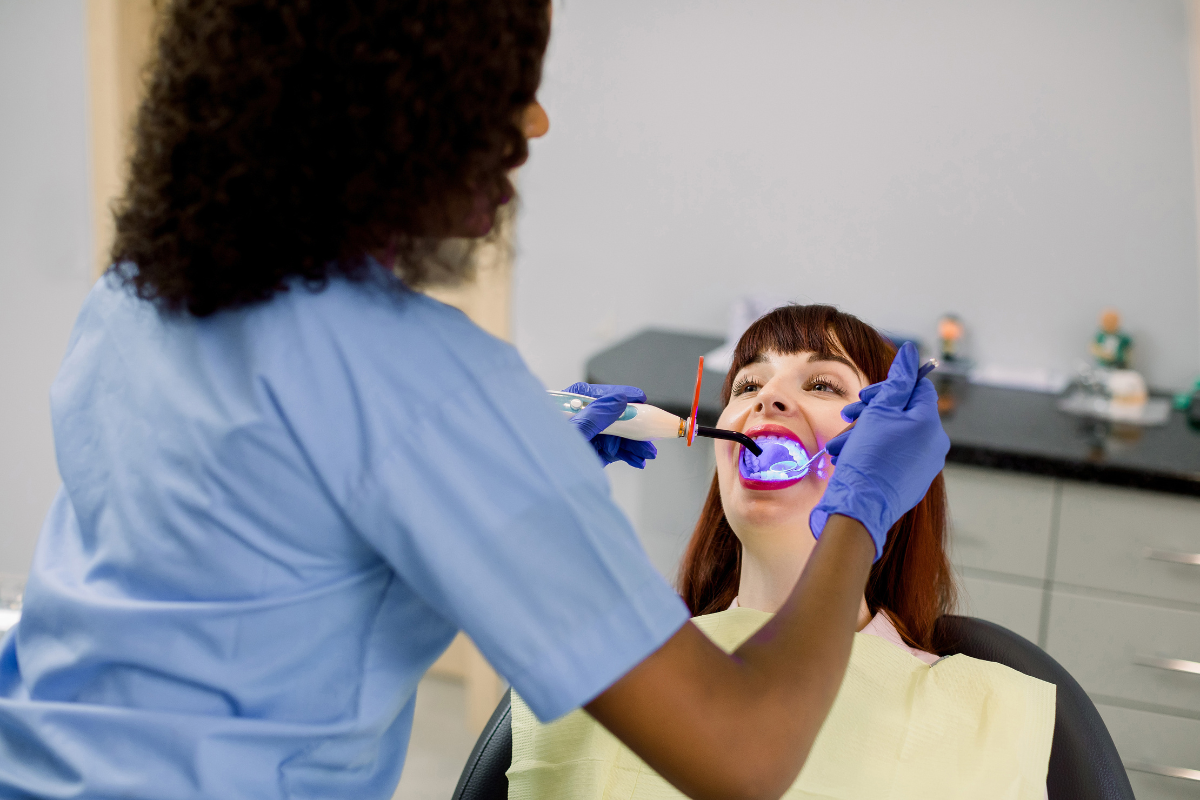
A dental filling is a standard treatment that restores a tooth damaged by decay. Dentists remove the decayed portion of the tooth and fill it with a durable material such as composite resin, amalgam, or ceramic. Fillings restore your tooth’s structure, prevent further decay, and allow you to chew and speak normally. Modern dental fillings are quick, effective, and virtually painless.
Risks of Delaying a Dental Filling
1. Tooth Decay Progression
Cavities don’t stay small. If left untreated, decay can grow deeper into the tooth, reaching the inner pulp of nerves and blood vessels. This can lead to severe infection or even tooth loss. Once decay reaches this stage, simple fillings may be insufficient, and more complex treatments like root canals or crowns become necessary.
2. Increased Pain and Sensitivity
Even if your cavity doesn’t hurt now, it can cause sharp pain, sensitivity to hot or cold foods, or discomfort when biting. Delaying treatment increases the risk of intense pain that can interfere with eating, sleeping, and daily activities.
3. Higher Treatment Costs
Early dental fillings are typically affordable and covered by most dental insurance plans in the US. However, postponing a filling can turn a minor cavity into a significant problem. Treating advanced decay often requires expensive procedures like root canal therapy, crowns, or extractions, significantly increasing dental bills.
Health Implications of Postponing a Filling
Oral health is closely linked to overall health. Untreated cavities can allow bacteria to enter your bloodstream, increasing the risk of infections and conditions such as heart disease or complications with diabetes. By addressing cavities early, you not only protect your teeth but also support your general health.
Benefits of Timely Dental Fillings
Getting a dental filling promptly offers multiple benefits:
- Prevents further decay: Stops cavities from spreading deeper into your tooth.
- Preserves your natural teeth: Maintains strong, healthy teeth for years.
- Reduces discomfort: Prevents sensitivity and pain associated with advanced cavities.
- Saves money: Early treatment avoids costly procedures later.
- Quick and effective: Modern dentistry ensures fast, safe, and minimally invasive fillings.
Tips to Reduce the Need for Fillings
While dental fillings are essential when cavities occur, you can lower your risk by practicing good oral hygiene:
- Brush at least twice daily with fluoride toothpaste.
- Floss daily to remove plaque and food particles between teeth.
- Limit sugary and acidic foods that contribute to tooth decay.
- Schedule regular dental checkups for early detection and prevention.
Keep Your Teeth Healthy—Schedule with Mose Family Dentistry!
Delaying a dental filling might seem convenient, but it has serious consequences. Tooth decay progresses, pain increases, treatment becomes more complex, and costs can skyrocket. Acting quickly protects your smile, maintains oral health, and avoids unnecessary complications.
Don’t wait for a small cavity to turn into a big problem! Schedule your dental filling at Mose Family Dentistry today and keep your teeth healthy, strong, and pain-free. Your smile deserves the best care—let us help you protect it!
FAQs:
1. How long can I wait before getting a cavity filled?
It’s best to get a filling when a cavity is detected. Even if the tooth isn’t painful, decay progresses over time and can become more challenging.
2. Are dental fillings painful?
Modern dental techniques make fillings quick and comfortable. Most patients experience minimal pain during the procedure, and local anesthesia is used when necessary.
3. Can I prevent cavities and avoid fillings altogether?
Yes! Good oral hygiene—brushing twice daily with fluoride toothpaste, flossing, limiting sugary foods, and attending regular dental checkups—can help prevent cavities and reduce the need for fillings.
4. How long does a dental filling last?
With proper oral care, fillings can last 5 to 15 years or more. Regular dental checkups help ensure your fillings remain in good condition.