5602 S Memorial Dr, Tulsa, OK 74145
How Many Teeth Can Be Extracted in One Day?

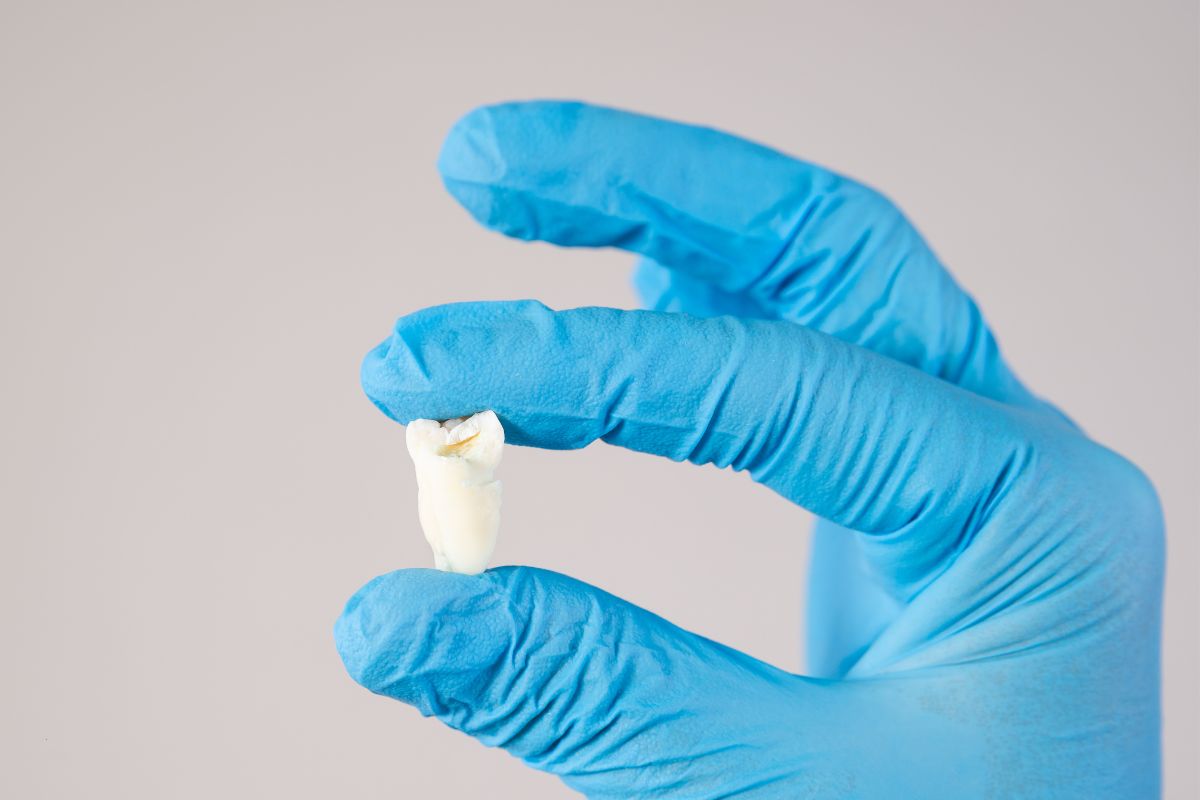
The common question regarding tooth extractions is how many are possible. Dentists usually try hard to safeguard teeth with various remedies, but sometimes, removing them becomes the best choice. It’s an ideal solution for addressing severe conditions. With this in mind, patients often ask how many teeth a dentist can take out in one day.
Our professionals take the best steps to make all treatments as pleasant as possible. This blog will enlighten you on what our dental care experts anticipate in the teeth removal process.
Why Do I Need a Tooth Extraction?
Dentists recommend extracting a tooth when it is irreparably damaged. Severe decay is common, especially if the infection risk is spreading. Gum disease, particularly in advanced stages, can loosen teeth, making removal necessary. Further, overcrowding is another factor. In such cases, removing a tooth allows other teeth to align appropriately.
Wisdom teeth are often impacted and frequently require extraction, as they can cause pain, infections, or misalignment. Accidents or trauma might also lead to irreparable tooth damage. In all these situations, only a professional can thoroughly analyze the prime cause and discuss your options.
How Many Teeth Can a Dentist Extract in One Day?
Dentists commonly extract up to four teeth in one session, especially when removing wisdom teeth. Removing eight or more teeth in a single appointment is not unusual for patients preparing for dentures or dental implants. Some full-mouth extractions may involve removing up to 28 teeth in one day. However, these cases often require advanced planning and specialized care.
Planning for Multiple Extractions
If you need several teeth removed, your dentist will create a customized treatment plan tailored to your needs. This plan includes:
- X-rays and Imaging: These help your dentist evaluate the health of your teeth, bone structure, and any potential complications.
- Pre-Procedure Instructions: Your dentist may recommend fasting before the appointment, especially if sedation will be used.
- Recovery Plan: Dentists typically provide detailed aftercare instructions to help you heal efficiently.
Teeth Removal Aftercare:
Proper aftercare is essential for healing after tooth extractions. Here is what you should do:
To Control Bleeding
- You have to bite down on the gauze your dentist gave you carefully.
- Replace the gauze as needed to manage bleeding.
Take Rest
- Try to avoid vigorous activities for at least 24 hours to minimize complications.
Carefully Manage Pain And Swelling
- Take over-the-counter painkillers or prescribed medications as directed for a teeth extraction recovery time.
- Use cold compresses regularly to reduce discomfort and swelling rapidly.
Eat Soft Foods
- Stick to soft, easy-to-eat foods like soup, mashed potatoes, or yogurt for the first few days.
- Avoid hot beverages, alcohol, or spicy foods that could irritate the extraction site.
Maintain Gentle Oral Hygiene
- Avoid brushing the extraction site directly.
- After a day, rinse your mouth gently with salt water to maintain cleanliness.
Avoid Dry Socket
- Please refrain from smoking or using straws, as they can dislodge the blood clot and cause a dry socket.
Strictly Follow Your Dentist’s Instructions
- Adhere to all post-extraction care tips your dentist provides to ensure proper healing and recovery.
Potential Risks and Managing Pre-existing Conditions
While tooth extraction is a routine procedure, patients should be aware of rare risks.
| Complication | Management |
| Infection | Prescription antibiotics are sometimes provided before or after the procedure, especially for patients with compromised immune systems. |
| Nerve Damage (Paresthesia) | A rare but possible risk, particularly with lower wisdom teeth. It results in temporary or permanent numbness of the lip, tongue, or chin. |
| Sinus Communication | If an upper back tooth is removed, it can create a small opening into the sinus cavity. This usually heals on its own but requires strict adherence to post-operative instructions (like avoiding blowing your nose). |
If you have conditions like diabetes or specific heart conditions or are taking blood thinners (anticoagulants), your dentist will coordinate with your primary care physician. You may need to temporarily adjust your medication or have blood work done prior to the surgery to ensure safe healing.
Book Your Tooth Extraction Consultation
Many patients require tooth extraction daily due to gum disease and excessive decay. If you find yourself in a similar situation, consult with our expert team at Mose Family Dentistry in Tulsa, OK. We offer non-invasive treatments and restorative options to help you regain your oral health. Schedule an appointment today to discuss your options.
FAQs:
Q: After multiple extractions, how soon can I return to work/school?
A: For 1-4 simple extractions, you can return in 24-48 hours. For extensive procedures involving many teeth, especially full-mouth extractions, you should plan for 3-5 days of rest to ensure proper healing and management of swelling.
Q: What is the typical healing timeline?
A: • Day 1-3: Peak swelling and discomfort. Strict soft diet.
• Day 5-7: Swelling significantly subsides. You can often begin to introduce slightly firmer foods.
• Weeks 2-3: The extraction site is essentially closed. You can usually return to a near-normal diet, avoiding hard, crunchy foods.
• 3-6 Months: The bone and gums fully remodel. This is the optimal time frame for placing dental implants or receiving a final, permanent restoration.
Q: Is the cost of multiple extractions covered by insurance?
A: Most dental insurance plans cover a portion of necessary extractions, as they are considered essential or “medically necessary.” However, coverage varies widely. Before scheduling the procedure, you should always contact your insurance provider and the dental office’s financial coordinator to get a detailed estimate of your out-of-pocket costs.