5602 S Memorial Dr, Tulsa, OK 74145
How to Get Rid of Dry Mouth in Winter: Tips for a Healthy Smile


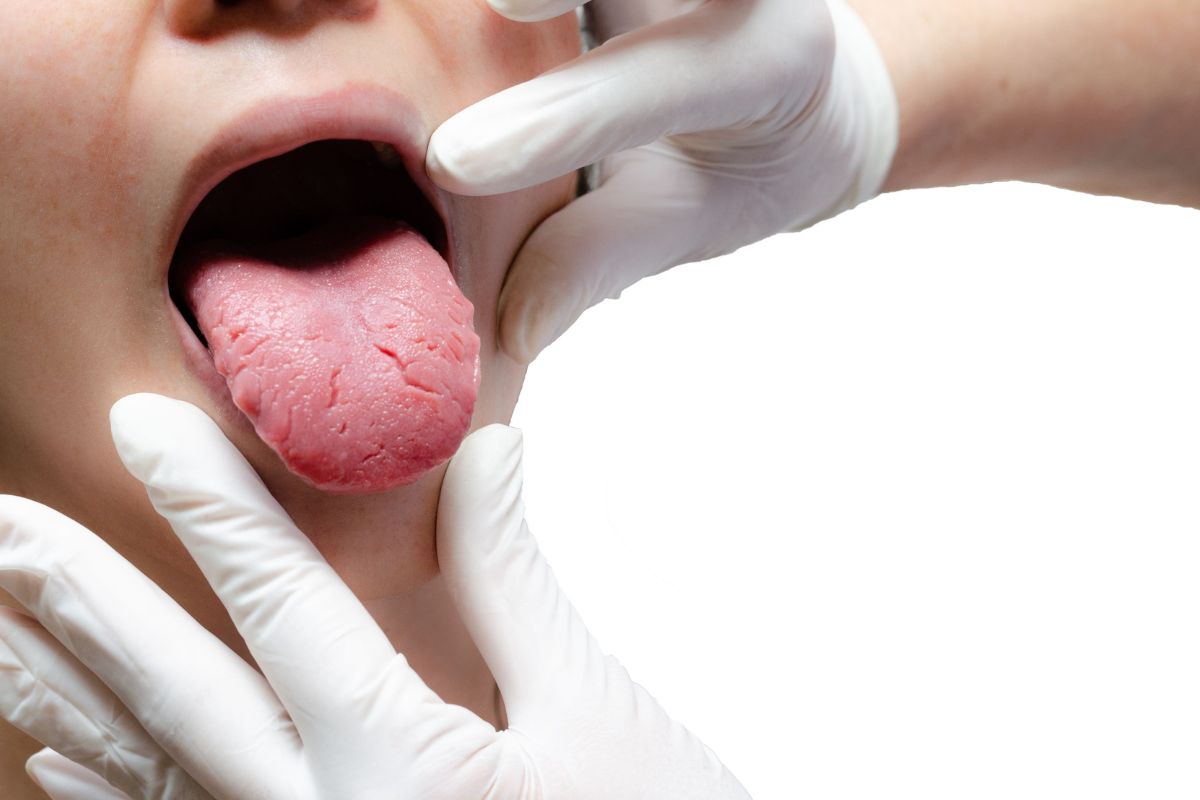
Winter is a season of cozy sweaters, hot drinks, and holiday festivities. But while you enjoy the winter vibe, your mouth might be silently struggling. Many people experience dry mouth (xerostomia) during the colder months, which can cause discomfort, bad breath, and even increase the risk of cavities. Understanding why dry mouth worsens in winter and learning practical ways to prevent it can help you maintain a healthy, comfortable smile throughout the season.
Why Winter Makes Dry Mouth Worse
Dry mouth occurs when your salivary glands don’t produce enough saliva. Saliva is essential—it lubricates your mouth, helps digest food, and protects your teeth and gums from bacteria. During winter, several factors can reduce saliva production:
- Heated indoor air: Central heating and fireplaces dry out the air, which can sap moisture from your mouth.
- Cold outdoor temperatures: Cold air can cause dehydration without you realizing it, especially when spending time outside.
- Reduced water intake: People often drink less water in winter, relying more on coffee, tea, or hot cocoa, which can further dehydrate you.
- Medication side effects: Many cold, allergy, and blood pressure medications can cause dry mouth.
- Mouth breathing: Cold air can make nasal breathing uncomfortable, so people often breathe through their mouths, which dries out saliva.
Symptoms of Dry Mouth to Watch For
Identifying dry mouth early can help prevent complications. Common symptoms include:
- Sticky, thick, or stringy saliva
- Cracked or chapped lips
- Sore or burning throat
- Difficulty chewing, swallowing, or speaking
- Bad breath
- Increased risk of cavities or gum disease
If these symptoms persist for more than a few weeks, it’s wise to consult a dentist.
Immediate Home Remedies for Winter Dry Mouth
The good news is that many home remedies can relieve dry mouth quickly:
- Stay hydrated: Sip water frequently throughout the day, ideally every 15–30 minutes. Warm water is fine in winter.
- Use a cool-mist humidifier: Adding moisture to your indoor air can significantly reduce dryness in your mouth and throat.
- Chew sugar-free gum or suck on sugar-free lozenges: Xylitol-based products stimulate saliva production.
- Avoid alcohol and tobacco: both can worsen dry mouth.
- Breathe through your nose: Consider adjusting your sleeping position or using nasal strips to encourage nasal breathing.
- Limit caffeine: Coffee, tea, and soda can dehydrate you, so drink them in moderation.
Best Winter Foods & Drinks to Relieve Dry Mouth
Certain foods and drinks can naturally increase saliva production and keep your mouth hydrated:
Hydrating Foods
- Cucumbers and celery: High water content helps keep your mouth moist.
- Oranges and other citrus fruits: Boost hydration and stimulate saliva.
- Soup broths: Warm and hydrating, ideal for winter comfort.
- Yogurt: Moist texture helps coat the mouth and supports oral health.
- Apples and pears: Chewing firm fruits can naturally stimulate saliva.
Foods to Avoid
- Salty snacks (chips, pretzels)
- Spicy foods
- Excessive coffee or soda
- Alcohol
Including hydrating foods in your winter diet can help reduce discomfort and protect your oral health.
How Dry Mouth Affects Your Oral Health
Dry mouth isn’t just uncomfortable—it can have long-term consequences if untreated:
- Cavities: Saliva protects teeth by neutralizing acids and washing away food particles. Low saliva increases decay risk.
- Gum disease: Dry gums are more prone to irritation and infection.
- Fungal infections: Oral thrush, caused by fungal overgrowth, is more common in dry mouths.
- Tooth sensitivity: Without enough saliva, teeth can feel more sensitive to cold or sweet foods.
Addressing dry mouth early is essential to prevent these issues.
When to See a Dentist
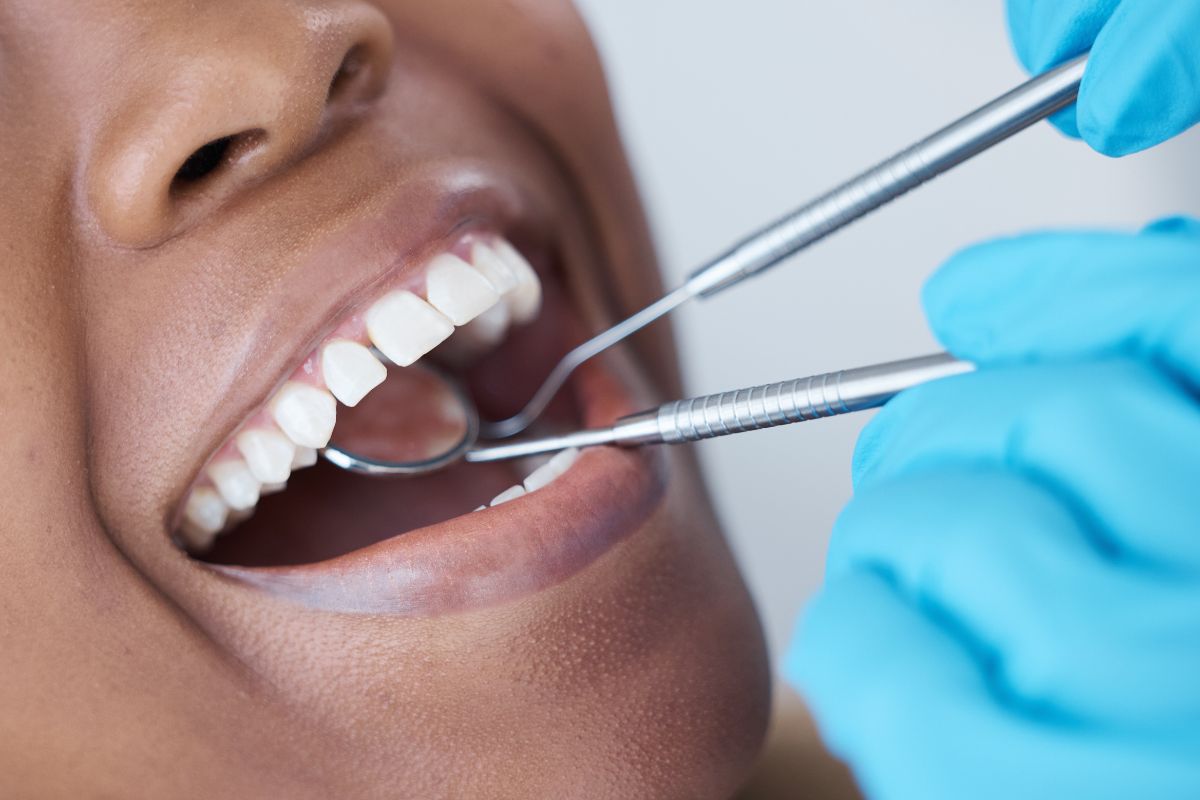
If your dry mouth continues despite home remedies, it may be time to seek professional care. Persistent dryness can be a sign of underlying issues that need attention, such as medication side effects, diabetes, or autoimmune conditions. You should schedule a visit with Mose Family Dentistry, located in Tulsa, OK, if you notice any of the following:
- Dry mouth lasting more than three weeks
- Cracked lips, bleeding gums, or chronic bad breath
- Trouble speaking, chewing, or swallowing
- A burning sensation on the tongue
- Frequent cavities or increasing tooth sensitivity
- A history of medical conditions that reduce saliva production
Our team is committed to finding the root cause of your symptoms and protecting your long-term oral health. If you’re looking for expert guidance, you can trust our dentist near Tulsa to provide personalized care and tailored treatment options to help restore moisture, comfort, and confidence in your smile.
Professional Treatments for Severe Dry Mouth
For chronic or severe cases, dentists may suggest:
- Prescription saliva stimulants: Medications like pilocarpine can increase saliva production.
- Custom fluoride trays: Protect teeth from decay caused by low saliva.
- Medical-grade oral moisturizers: Gels, sprays, or rinses designed to lubricate the mouth.
- Medication review: Adjusting current medications that contribute to dry mouth may help.
Professional interventions help prevent winter dry mouth from leading to long-term oral health issues.
Winter Prevention Tips for a Healthy Mouth
Simple lifestyle adjustments can prevent dry mouth in winter:
- Increase daily water intake: Aim for at least 8–10 glasses a day.
- Use lip balm with SPF: Protects lips from wind and sun exposure.
- Avoid sleeping near heat vents: warm air can dry out your mouth while you sleep.
- Stay active: Good circulation helps overall hydration.
- Schedule winter dental checkups: Early detection of dry mouth and related issues can prevent complications.
FAQs About Dry Mouth in Winter
Q1. Is dry mouth common in winter?
Yes. Low indoor humidity and cold weather make dry mouth more common during winter.
Q2. Can dry mouth cause bad breath?
Yes. Saliva helps control bacteria, so low saliva can lead to persistent bad breath.
Q3. Does winter dehydration affect saliva production?
Absolutely. Reduced water intake and cold-induced dehydration can lower saliva production.
Q4. What’s the fastest way to fix dry mouth?
Drink water immediately, use a humidifier, and chew sugar-free gum to stimulate saliva.
Conclusion
Winter can be harsh on your mouth, but dry mouth doesn’t have to ruin your season. By staying hydrated, using humidifiers, choosing the right foods, and practicing good oral care, you can prevent dryness and maintain a healthy smile. If home remedies aren’t enough, consult your dentist for professional solutions. Protect your mouth this winter and enjoy every hot cocoa and cozy evening without discomfort.