5602 S Memorial Dr, Tulsa, OK 74145
Types of Dental Implants Available in Tulsa and Which One Is Right for You


Enjoying a delicious plate of BBQ at the Tulsa Oktoberfest or exploring the bustling downtown, your smile plays a key role in your confidence. For many, missing or damaged teeth can affect self-esteem, but dental implants in Tulsa offer a life-changing solution. Dental restorations are designed to restore your smile, improve oral function, and enhance your overall appearance. But how do you know which type of fixture is the best fit for you? This guide will walk you through the different options available and help you choose the right one for your needs.
What Are Dental Implants?
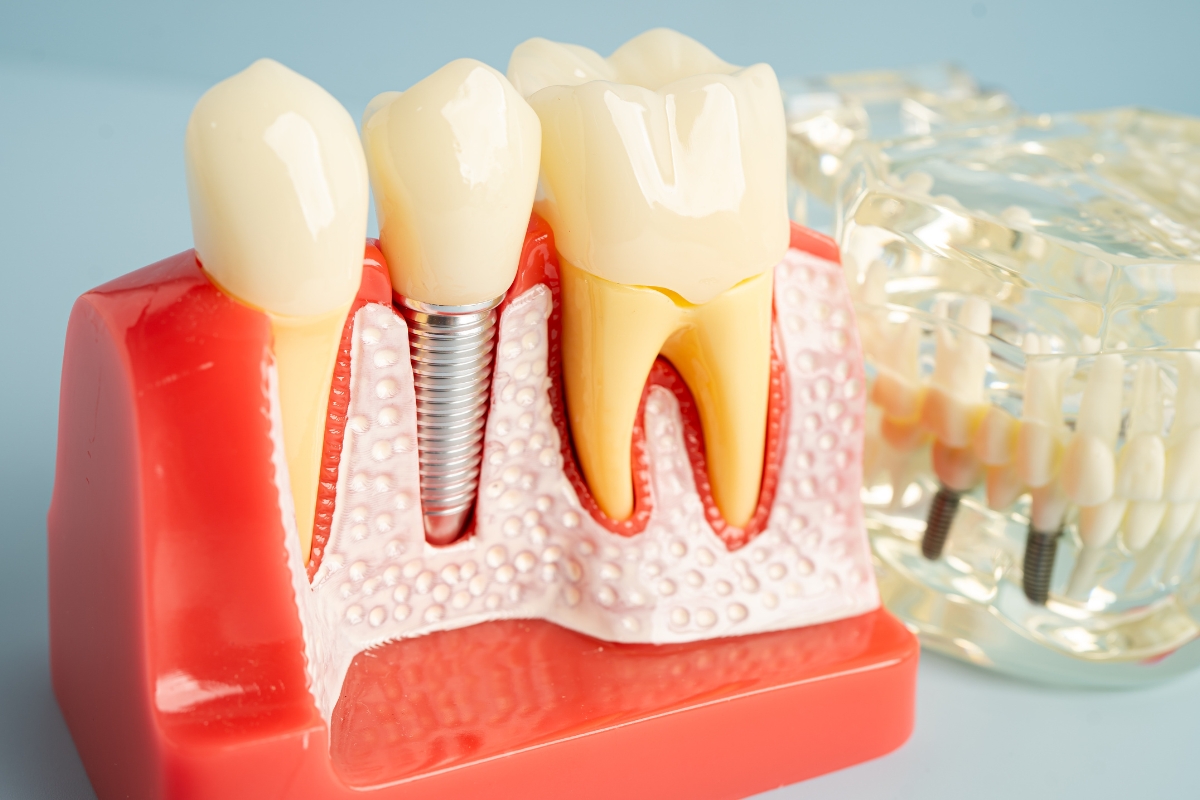
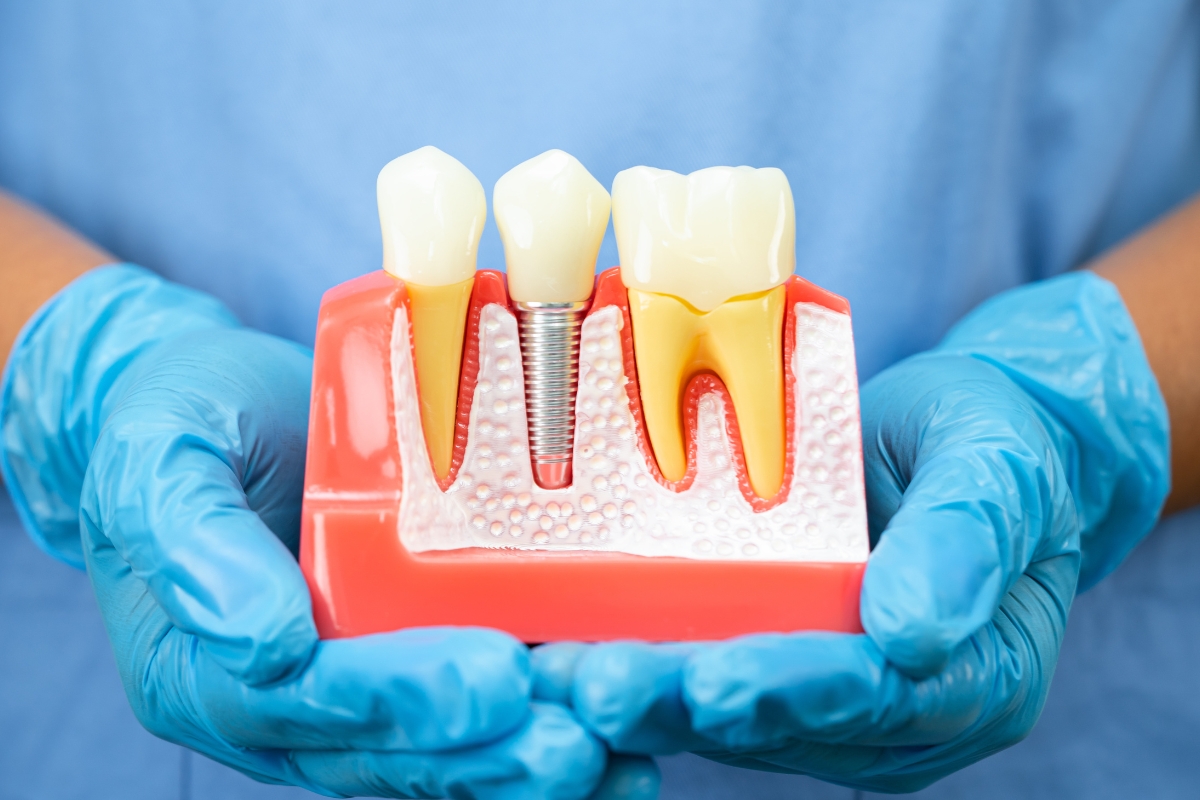
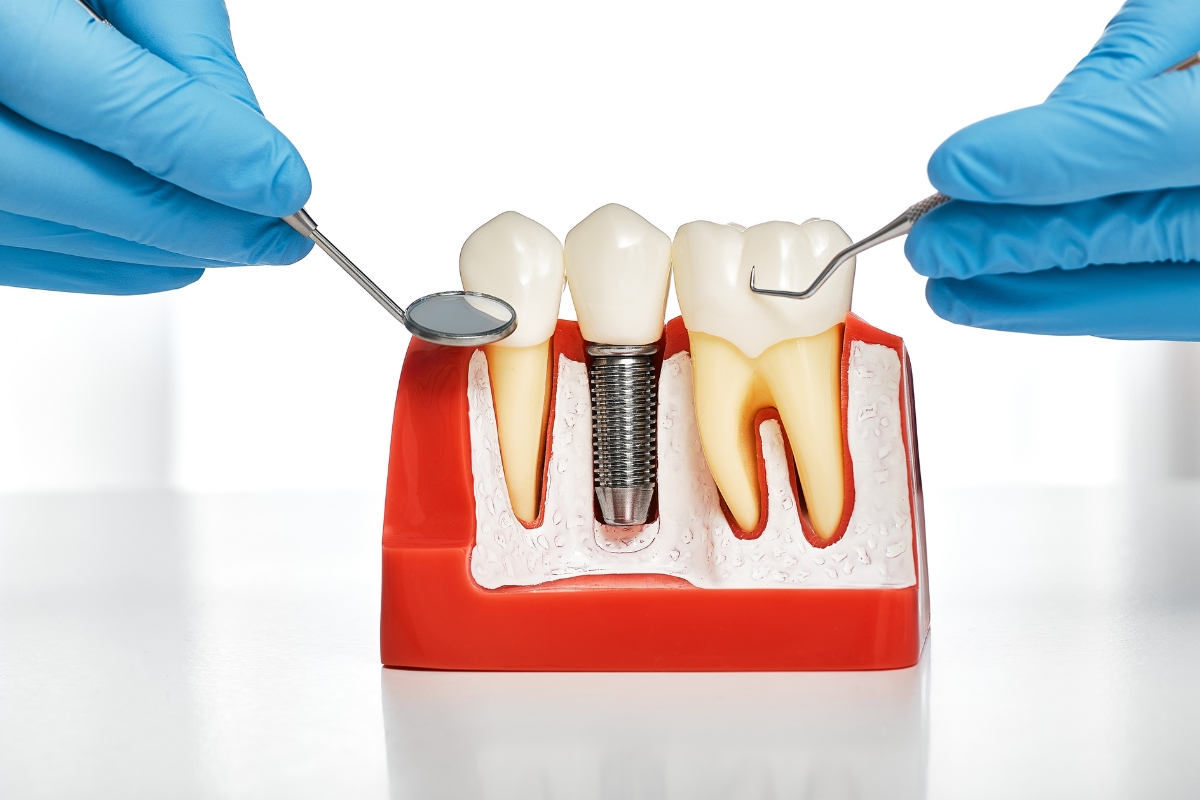
Dental restorations are artificial tooth roots placed into the jawbone to support replacement teeth. They provide a long-lasting solution for missing teeth and look, feel, and function like natural teeth. The fixtures are typically made of titanium, a durable material that fuses with the bone, creating a solid foundation for crowns, bridges, or dentures.
For those in this city, dental restorations can be a game-changer, helping individuals regain their confidence and smile with ease. Whether you’re looking to replace a single tooth or secure a full set, there are various permanent replacement options available to suit your needs.
Types of Dental Implants
Whether you’re enjoying coffee at The Roastery or visiting Tulsa’s Gathering Place, your smile is key to making a positive impression. However, at many dental offices, patients can choose from several types of restorations depending on their specific requirements. Here’s a breakdown of the options:
1. Single Tooth Implants
This is the most frequently utilized type of fixture for replacing a single missing tooth. The procedure involves inserting a titanium post into the jawbone, which serves as an artificial root for a single dental crown. This option is particularly suitable for individuals who have lost one tooth but still retain healthy adjacent teeth. This allows for effective restoration without impacting the surrounding teeth.
2. All-on-4 Implants
For individuals who have lost multiple teeth or the entire set, the All-on-4 system has become a widely favored tooth replacement treatment option. This innovative approach involves strategically placing four specially designed fixtures into the jawbone. It basically serves as a stable anchor to support a full arch of artificial teeth.
The procedure typically allows for the immediate placement of the replacement teeth, significantly reducing treatment time. Not only is this system effective compared to other dental restoration options, but it also offers a quicker, more efficient solution to restore both the aesthetic appearance and the functional ability of the patient’s smile. This treatment enables improved chewing, speaking, and confidence.
3. Implant-Supported Bridges
If you are missing several teeth, an implant-supported bridge could be an optimal solution. Unlike traditional bridges that rely on adjacent teeth for support, this type of bridge is securely anchored using dental restorations. This approach offers a more stable and long-lasting alternative, ensuring better functionality and confidence in your smile.
4. Implant-Supported Dentures
For patients requiring full dentures, implant-supported dentures offer significantly enhanced stability and comfort. Unlike traditional dentures, which rely solely on adhesives or natural suction, these restorations securely anchor dentures in place. This not only improves overall functionality but also provides greater confidence when eating, speaking, or engaging in everyday activities.
How to Choose the Right Implant for You?
Choosing the right option for your needs depends on a variety of factors. This includes your oral health and the number of teeth being replaced. Here’s what to consider:
Health of Your Jawbone
One of the most important factors in determining whether you are a good candidate for restorations is the health of your jawbone. They require a certain amount of bone density for proper placement. If your jawbone has weakened due to missing teeth, a bone graft may be necessary before the fixture can be placed.
The Number of Teeth Missing
If you’re only missing one or two teeth, a single implant may be sufficient. However, if you need to replace multiple teeth, options like All-on-4 or implant-supported bridges might be better suited to your needs.
Benefits of Dental Implants
These are the advantages of this treatment:
- Natural Appearance: Dental restorations are designed to look and function like your natural teeth. They blend seamlessly with your smile, making them virtually indistinguishable from real teeth.
- Durability: Restorations are incredibly durable and can last for decades with proper care. This makes them a reliable and long-term investment.
- Improved Function: Unlike removable dentures, they allow you to eat, speak, and smile with confidence. They restore full functionality to your mouth, making everyday tasks easier.
How Long Do Dental Implants Last?
With proper care, dental restorations can last a lifetime. Regular brushing, flossing, and routine visits to your Tulsa dentist will ensure your permanent replacements remain in excellent condition. It’s important to remember that the crown or other replacement parts may need to be replaced over time due to normal wear and tear.
Ready to Improve Your Smile with Dental Implants?
Dental restorations offer a life-changing solution for those who are missing teeth. Whether you need a single tooth replacement or a full set of teeth, dental implants in Tulsa can restore your smile. Our team at Mose Family Dentistry will guide you through the process and find the right implant option for your needs. Contact us today to schedule your consultation and start your journey toward a healthier, more confident smile!
Frequently Asked Questions
1. What makes dental implants different from other tooth replacement options?
Dental restorations are permanent fixtures that fuse with the jawbone. This makes them a more stable and natural-looking option than dentures or bridges. They provide a long-lasting solution to missing teeth.
2. Are dental implants painful to get?
Most patients experience minimal discomfort during the procedure due to local anesthesia. Afterward, there may be some soreness, but this is usually managed with pain medication prescribed by your dentist.
3. How long does the implant procedure take?
The process can take several months, as it involves multiple stages, including the placement of the fixture and healing time. However, the process is well worth the result for a long-lasting, natural smile.
4. Are dental implants suitable for everyone?
Most adults with healthy gums and sufficient jawbone density are good candidates for dental restorations. However, individuals with certain health conditions or insufficient bone may need additional procedures, such as bone grafting, before the restoration can be placed.
5. Can I get a dental implant if I have gum disease?
If you have gum disease, it’s essential to treat the condition before considering implants. Healthy gums and bones are crucial for successful implant placement, so your dentist will work with you to address any existing dental issues.
6. How do I care for my dental implants?
Caring for dental restorations is similar to caring for natural teeth. Brush and floss regularly, and visit your dentist for routine checkups to ensure the implants remain in good condition.