5602 S Memorial Dr, Tulsa, OK 74145
The Lifespan of Dental Crowns: A Complete Guide

If you’re considering restoring a damaged tooth, understanding how long a crown lasts can help you plan your dental care with confidence. Many patients exploring dental crowns in Tulsa want to know what affects durability and how to get the most value from their treatment. Whether you live in Tulsa or nearby communities like Broken Arrow, Owasso, or Jenks, knowing what to expect from a dental crown can make a big difference in your oral health decisions. This guide explains lifespan, materials, care tips, and when to seek professional advice, all in simple, patient-friendly terms.
What Exactly Does a Crown Do for Your Tooth?
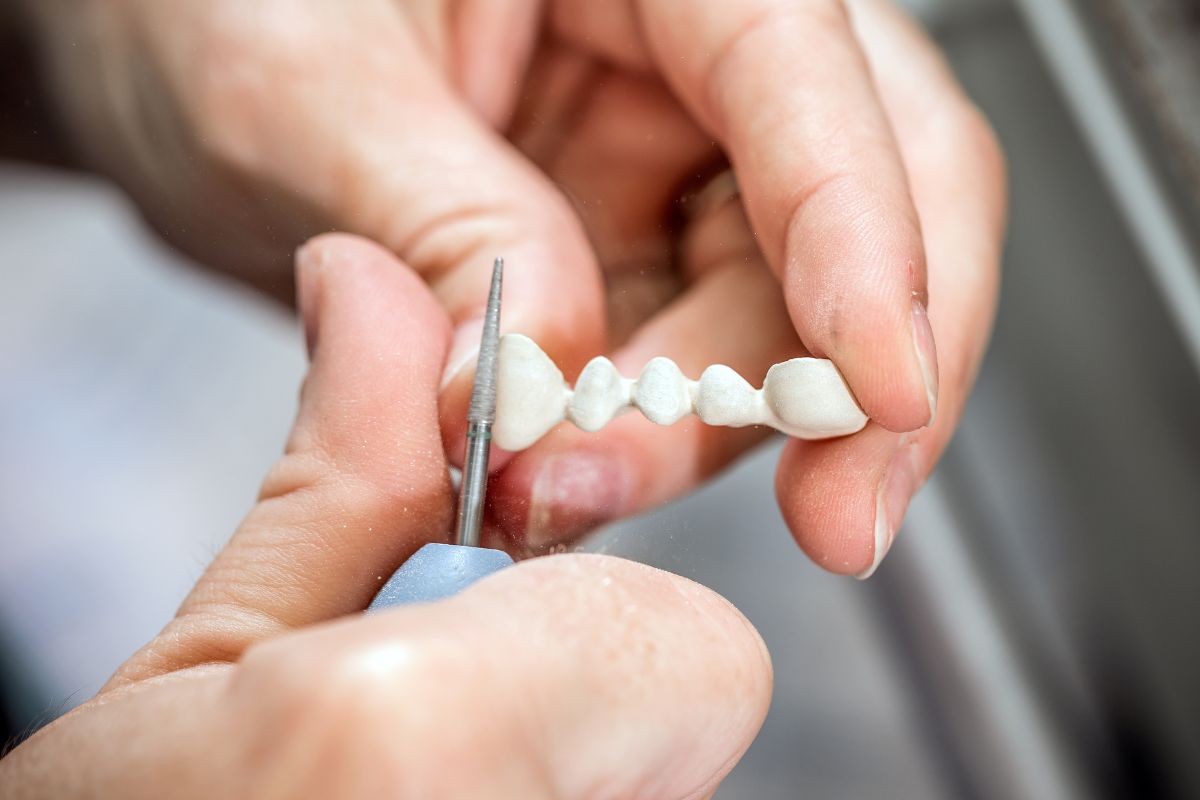
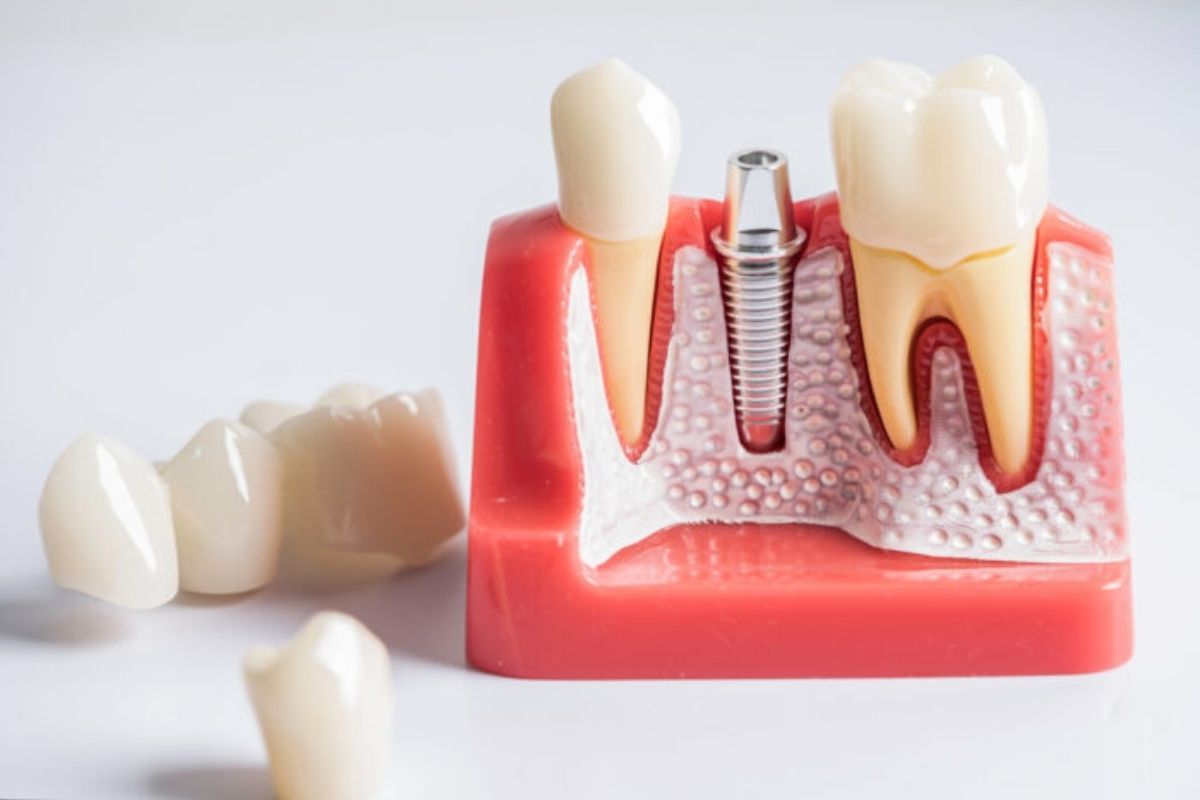
A dental crown is a custom-made cap that fits over a tooth to restore its strength, shape, and appearance. Dentists often recommend crowns when a tooth is too damaged for a simple filling but doesn’t need to be removed.
Crowns are commonly used to:
- Protect weak or cracked teeth
- Restore worn-down or broken teeth
- Cover a tooth after a root canal
- Support a dental bridge or cover an implant
- Improve the look of discolored or misshapen teeth
Think of a crown as a protective shield, it reinforces your natural tooth while helping you chew and smile comfortably.
How Long Can You Expect a Crown to Last?
Most dental crowns last between 10 to 15 years, but many can last much longer with proper care. Some patients even keep their crowns for 20 years or more.
The lifespan depends on several factors, including:
- The material used
- Your oral hygiene routine
- Daily habits like grinding or chewing hard foods
- Regular dental checkups
While crowns are durable, they are not permanent. Over time, normal wear and tear can affect their condition.
Materials Matter: Choosing the Right Type
Different crown materials offer varying levels of strength, appearance, and longevity. Your dentist will recommend the best option based on your needs.
Common types include:
- Porcelain or ceramic: Natural-looking and ideal for front teeth
- Metal (gold or alloy): Extremely strong and long-lasting
- Porcelain-fused-to-metal: A balance of durability and aesthetics
- Zirconia: Highly durable with a tooth-like appearance
Each material has its pros and cons, so the “best” choice depends on where the crown is placed and your personal preferences.
Everyday Habits That Influence Longevity
Your daily routine plays a major role in how long your crown lasts. Even the strongest materials can wear down if exposed to excessive pressure or poor oral care.
Key factors include:
Oral hygiene
Brushing twice a day and flossing daily helps prevent plaque buildup around the crown, protecting both the restoration and the underlying tooth.
Diet choices
Frequent consumption of hard foods like ice or sticky treats like caramel can weaken or loosen a crown over time.
Teeth grinding (bruxism)
Grinding or clenching puts extra pressure on crowns, increasing the risk of cracks or wear. A nightguard may be recommended if this is a concern.
Overall dental health
Healthy gums and surrounding teeth help keep your crown stable and functional for years.
Warning Signs You Shouldn’t Ignore
Even well-made crowns can develop issues. Recognizing early warning signs can help prevent more serious dental problems.
Watch for:
- Pain or sensitivity when biting
- Visible cracks or chips
- A loose or shifting crown
- Gum irritation around the tooth
- Dark lines or changes near the gumline
If you notice any of these symptoms, it’s best to schedule a dental visit promptly.
Smart Ways to Extend the Life of Your Crown
With the right care, you can significantly increase the lifespan of your dental crown.
Here are practical tips:
- Maintain a consistent brushing and flossing routine
- Use a fluoride toothpaste for added protection
- Avoid chewing ice, hard candy, or non-food items
- Wear a mouthguard if you grind your teeth
- Visit your dentist regularly for exams and cleanings
Following these steps helps protect both your crown and your natural tooth underneath.
Why Regular Dental Visits Still Matter
Even if your crown feels fine, routine dental checkups are essential. Dentists can spot early signs of wear, gum issues, or decay that may not be visible or painful yet.
Professional cleanings also remove plaque buildup in hard-to-reach areas, helping maintain long-term oral health. Preventive care is one of the simplest ways to avoid costly repairs or replacements later.
Understanding Your Options for Care
If you ever experience issues with your crown, modern dental crown services can address problems quickly and effectively. From minor adjustments to full replacements, your dentist will guide you toward the best solution based on your situation.
Related blog: Can a Dental Crown Be Whitened?
Conclusion
Dental crowns are a reliable and long-lasting solution for restoring damaged teeth, offering both protection and improved appearance. While most crowns last over a decade, their true lifespan depends on your habits, oral hygiene, and regular dental care. By staying proactive and recognizing early warning signs, you can make your crown last as long as possible.
If you have questions or think your crown may need attention, don’t hesitate to reach out to a Tulsa dentist at Mose Family Dentistry. Their team can evaluate your needs, provide guidance, and help you maintain a healthy, confident smile for years to come.