5602 S Memorial Dr, Tulsa, OK 74145
Can You Get Dental Implants with Gum Disease? Exploring Your Options

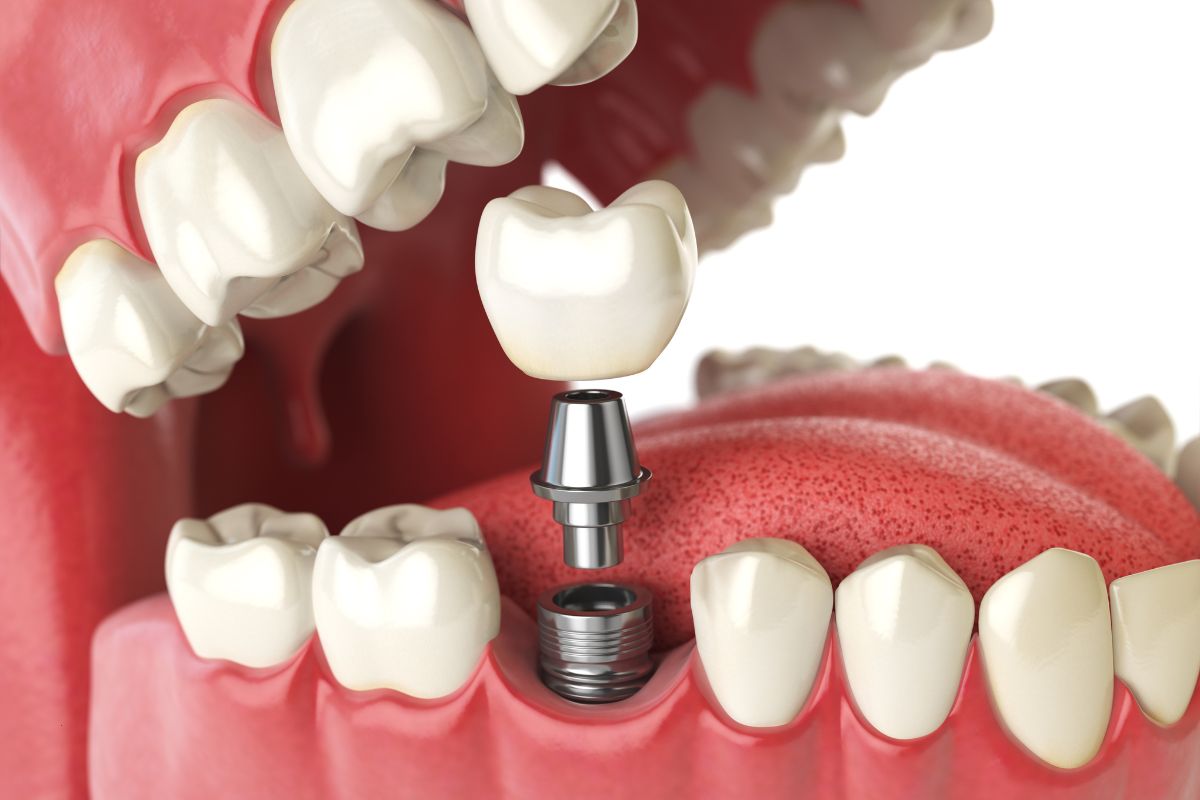
Dental implants have changed the way we replace lost teeth. They provide a durable fix that has the appearance, feel, and functionality of natural teeth. If you’re battling gum disease, you may wonder whether you can still receive dental implants. The answer isn’t straightforward—gum disease does present challenges, but with proper treatment, getting implants is still possible.
If you’re considering dental implants, understanding how gum disease affects oral health and implant success is crucial. Let’s explore the options and steps you can take to ensure a healthy, long-lasting smile.
Recognizing Gum Disease and How It Affects Dental Health?
Gum disease, or periodontal disease, is a bacterial infection that affects the gums and bones supporting your teeth. It begins with gingivitis—an inflammation of the gums—and can progress into a more severe condition known as periodontitis. If left untreated, gum disease leads to tooth loss, bone deterioration, and significant complications for dental treatments, including implants.
For dental implants to be successful, the gums and jawbone must be in good health. Unfortunately, gum disease can compromise these structures, making it harder for the implants to integrate with the bone. Without intervention, placing implants in diseased gums may result in implant failure or further infection. However, don’t lose hope! Many patients with gum disease can still receive implants after appropriate treatment.
Treating Gum Disease Before Getting Dental Implants:
The good news is that gum disease doesn’t automatically disqualify you from getting dental implants. However, active gum disease must be treated before implants are placed. A comprehensive treatment plan will address the infection and restore your gums and bone to a healthy state, allowing for a successful implant placement. Here’s how the process works:
Gum Disease Treatment:
Your dentist will first focus on controlling the gum infection through professional cleaning methods like scaling and root planing. This procedure removes plaque and tartar beneath the gum line and smooths the root surfaces, promoting healing. In more severe cases, gum surgery may be needed to remove the bacteria and repair damaged tissues fully.
Bone Grafting (if necessary):
One complication of long-standing gum disease is bone loss, which can make implant placement challenging. Dental implants rely on sufficient bone mass to anchor securely. If gum disease has caused significant bone loss, a bone grafting procedure might be recommended to rebuild the jawbone, ensuring a stable implant foundation.
Healing Period:
After gum disease treatment and any necessary bone grafting, your mouth needs time to heal. The healing period can vary depending on the severity of the disease and the procedures performed. Still, it’s essential to ensure your gums and bones are fully healthy before moving forward.
Why a Dental Implant Consultation is Essential?
Before you begin any treatment, scheduling a consultation is the first step. This consultation allows your dentist near you to assess the condition of your gums, teeth, and jawbone to determine the best course of action.
During this evaluation, your dentist will:
- Examine your gum health and the extent of bone loss (if any).
- Take X-rays or 3D scans to assess bone levels.
- Discuss the appropriate treatment plan, including any preliminary procedures like bone grafting.
- Provide a timeline for healing and implant placement.
This consultation is crucial, as it ensures your dentist can create a tailored treatment plan that sets you up for success. Not every case is the same, and having a professional evaluate your condition gives you the best chance for a long-lasting result.
Why Dental Implants Are Worth the Wait?
Once your gum disease has been treated and your mouth fully recovers, dental implants can be an ideal solution for replacing missing teeth. Implants offer many benefits, including:
- Longevity: When properly cared for, dental implants can last a lifetime, providing a permanent solution for missing teeth.
- Natural Appearance: Implants look and feel like natural teeth, allowing you to smile, eat, and speak confidently.
- Improved Oral Health: Dental implants help prevent further bone loss by stimulating the jawbone, promoting overall oral health.
Though the process of getting implants after gum disease treatment may take longer, the benefits far outweigh the wait. With a strong foundation of healthy gums and bones, dental implants will have a higher success rate and provide lasting results.
Gum disease doesn’t have to prevent you from achieving the smile you’ve always wanted. With the proper treatment and a tailored plan from your dentist, you can still enjoy the benefits of dental implants. Remember, the first step is treating the gum disease and allowing time for your mouth to heal.