5602 S Memorial Dr, Tulsa, OK 74145
Can Dental Implants Get Cavities? The Answer Might Surprise You!

Good oral health is essential to achieve and maintain a beautiful smile and overall well-being. Most people understand the importance of brushing, flossing, and scheduling routine dental visits to keep their natural teeth healthy. However, many fear the risks of cavities when considering dental implants.
Keep reading this blog to determine whether prosthetic teeth can decay over time. Here, you will find tips to maintain excellent oral hygiene for implants.
How Do Dental Implants Work?
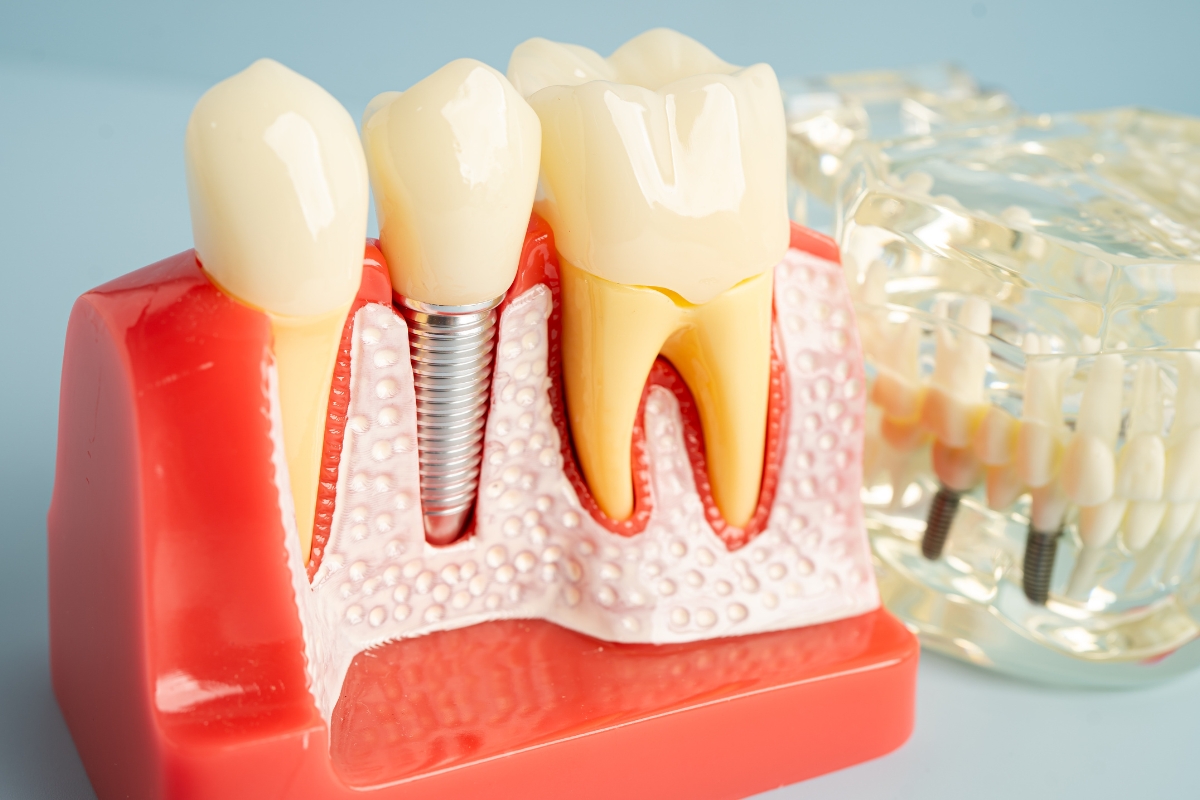
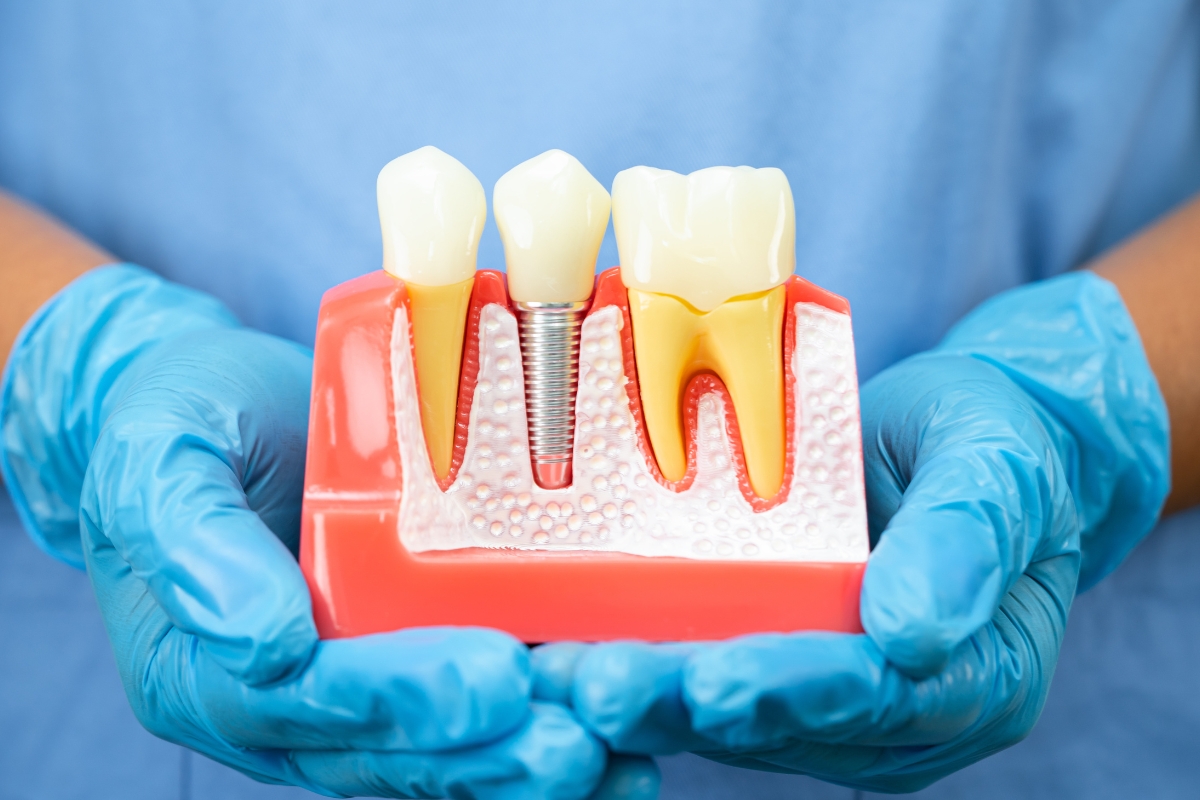
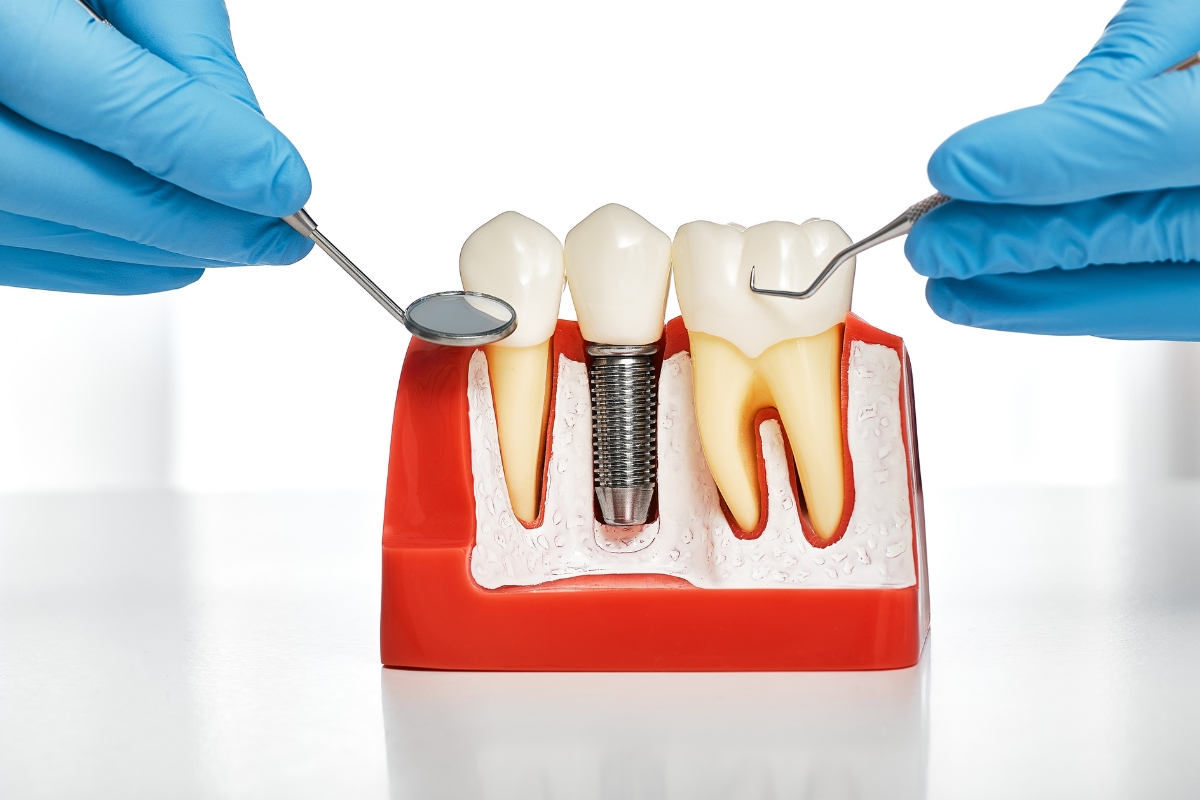
There are no alternatives to dental implants in Tulsa when it comes to reversing tooth loss and restoring smile aesthetics and function. These prosthetics typically consist of a titanium post, an abutment, and a tooth-shaped crown. The artificial roots are surgically placed in the jawbone to fuse with the bone and form a strong foundation for replacement teeth.
Cavities in Natural Teeth: Causes and Impact
To learn how cavities affect your implants, understand how they enter your teeth. Enamel, a strong yet porous substance that covers natural teeth, shields them from dangerous microorganisms. Caries develop when mouth bacteria produce acids that erode enamel and cause decay. A sticky layer of bacteria called plaque builds up on teeth and produces toxic acids as it consumes meal carbohydrates. Cavities can eventually reach the tooth pulp because of the enamel’s gradual deterioration due to this demineralization.
Are There Any Cavity Risks with Implants?
Fortunately, permanent dental restorations are not susceptible to cavities. Your implants do not contain enamel, the component that makes them vulnerable to decay. Materials like titanium or zirconia make these artificial teeth resistant to plaque and bacteria penetration.
Though dental restorations cannot develop cavities independently, the surrounding gum tissues and supporting structures are still at risk. Peri-implantitis, an inflammatory condition, often affects the gums and may cause dental implant infection. This condition can lead to bone loss and restoration failure.
The Best Approach for Dental Implant Care and Longevity
Here’s how to maintain a healthy mouth while restoring a smile with prosthetic teeth:
Prioritize Oral Care
Brush the implants twice a day with fluoride-free toothpaste and a soft-bristle toothbrush. Dentists often advise using interdental brushes or floss to keep the implants clean. To remove plaque that can cause cavities in nearby teeth, rinse with antibacterial mouthwash or use an electric toothbrush.
Schedule Regular Dental Visits
Routine examinations and cleanings can remove toxins and prevent gum disease around implants. These sessions also allow your practitioner to identify potential issues with dental prostheses, such as peri-implantitis, early on.
Avoid Smoking and Tobacco Products
Smoking has been associated with an increased risk of dental restoration-related problems. Excessive tobacco use can develop peri-implantitis or gum disease and slow down the healing process. You should stop these habits to enjoy long-term success with your prosthetic teeth.
Dental implants require appropriate maintenance to avoid issues with oral health, even if they are not as susceptible to cavities as natural teeth. However, you can extend the lifespan of artificial teeth by visiting your dentist, maintaining proper dental hygiene, and abstaining from bad habits. Book an appointment today to flaunt a confident, cavity-free smile.