5602 S Memorial Dr, Tulsa, OK 74145
Canker Sore vs. Oral Cancer: How Can You Tell the Difference?


Mouth ulcers happen to everyone at some point, but not all sores are harmless. If you’ve noticed a lingering sore that doesn’t heal, you may wonder whether it’s a simple canker sore or something more serious like oral cancer. Knowing the difference can be life-saving.
According to the American Cancer Society, over 58,000 Americans will be diagnosed with oral or oropharyngeal cancer in 2024. About 12,000 people die from it each year. Early detection increases the five-year survival rate to over 85%, making it critical to recognize the warning signs.
What Is a Canker Sore?
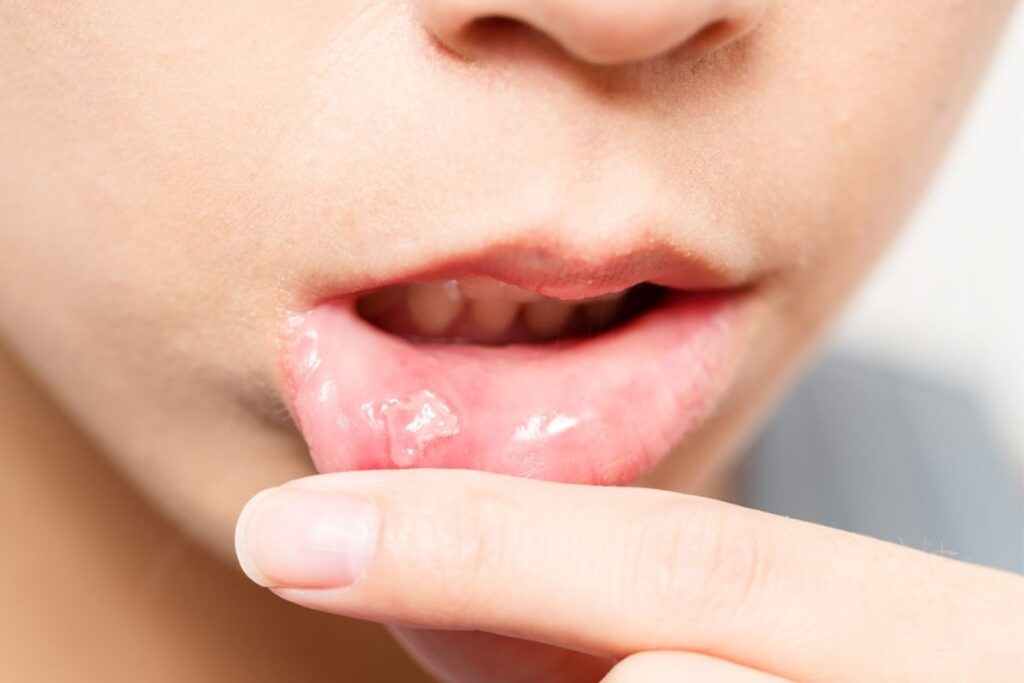
A canker sore, also known as an aphthous ulcer, is a small, round lesion that forms inside the mouth. You might find one on the inner cheek, lip, or under the tongue. Canker sores are not contagious and usually appear within 7 to 14 days.
Typical symptoms of a canker sore include:
- A white or yellow center with a red border
- Tingling or burning before the sore appears
- Mild pain or discomfort while eating or brushing
Canker sores may result from stress, minor injuries, acidic foods, or vitamin deficiencies. They tend to heal on their own without medical treatment.
Can a Canker Sore Turn into Oral Cancer?
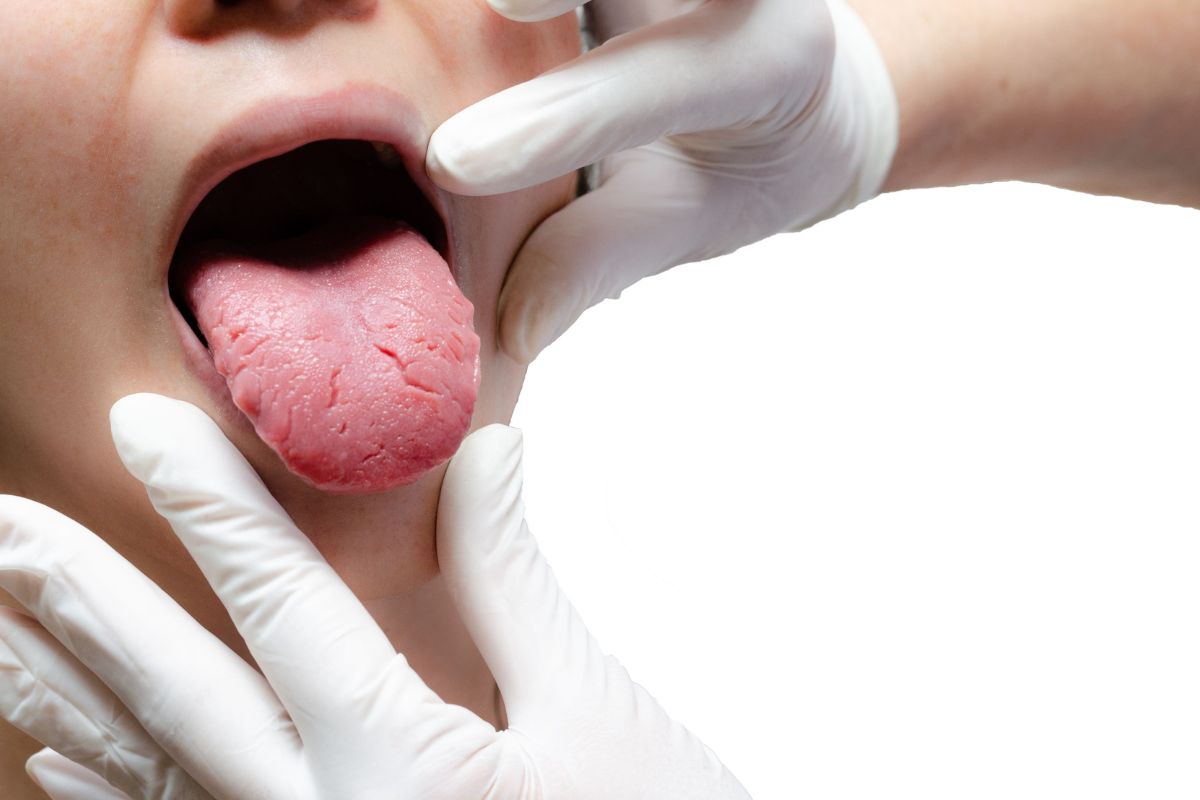
No, oral cancer does not develop from canker sores. These are non-cancerous mouth ulcers, known as canker sores, which usually go away independently in a few weeks. On the other hand, some mouth sores or changes, such as lumps, white or red patches, or recurrent sores. They may be signs of precancerous diseases or oral cancer. If you’re experiencing any of these symptoms, it’s time to schedule an exam. A Tulsa dentist can perform an oral cancer screening and recommend a biopsy.
Canker Sore vs. Oral Cancer: Key Differences Summarized
| Feature | Canker Sores | Oral Cancer |
|---|---|---|
| Appearance | Small, round or oval with a white or yellow center and a red border. | Persistent, irregularly shaped sores or lumps. May appear white, red, or a combination of both. |
| Pain Level | Painful, especially when eating or speaking, but typically subsides within a week or two. | May be painless initially but becomes painful as the tumor grows. |
| Location | Commonly found inside the mouth, such as on the gums, inner cheeks, or tongue. | Can appear on the lips, gums, tongue, floor of the mouth, or the roof of the mouth. |
| Duration | Heals within 1-2 weeks without scarring. | Persistent for weeks or months without healing. |
| Size | Generally small (1-2 cm in diameter). | Larger than a canker sore, often more than 2 cm. |
| Number of Lesions | Usually single or a few sores at a time. | Often appears as a single, persistent sore or lump. |
| Swelling | Typically, no swelling outside of the sore itself. | May cause swelling in the neck or jaw area due to lymph node involvement. |
| Bleeding | May bleed slightly when irritated or scraped. | May bleed easily, especially when touched or irritated. |
| Associated Symptoms | Mild fever, fatigue, or discomfort (rare). | Unexplained weight loss, difficulty swallowing, and persistent sore throat. |
| Risk Factors | Stress, hormonal changes, injury, or certain foods. | Smoking, heavy alcohol consumption, HPV infection, family history of cancer. |
| Treatment | Over-the-counter remedies, topical gels, and saltwater rinses. | Requires medical intervention, possibly surgery, radiation, and chemotherapy. |
Schedule an Appointment for Routine Dental Care
The best approach to maintaining proper oral health is prevention. We have already mentioned the signs to look for in sores to determine if they are early signs of oral cancer. However, some people still can’t identify those symptoms initially. Detecting mouth cancer early increases the chances of absolute recovery.
There is a professional way to determine whether those are canker sores or signs of mouth cancer. That is why, at Mose Family Dentistry, we provide oral cancer screenings and routine dental care. So, if you have seen those sores, do not waste any more time and book an appointment with us.