5602 S Memorial Dr, Tulsa, OK 74145
How Dental Implants Restore Your Smile and Oral Health

Losing a tooth can affect much more than the appearance of your smile. A missing tooth may change how you chew, influence speech, allow neighboring teeth to shift, and contribute to changes in the jawbone over time. It can also make some people feel less comfortable smiling or eating around others.
Modern tooth replacement provides a way to address both function and appearance. Instead of simply filling an empty space, dental implants create a stable foundation for a replacement tooth and can support long-term oral health.
For patients in Tulsa who want to rebuild their smiles, Mose Family Dentistry provides implant-based tooth replacement with a focus on oral health, function, comfort, and natural-looking results. If tooth loss is affecting your daily life, dental implants in Tulsa may offer a stable way to restore your bite and confidence.
What Are Dental Implants and How Do They Work?
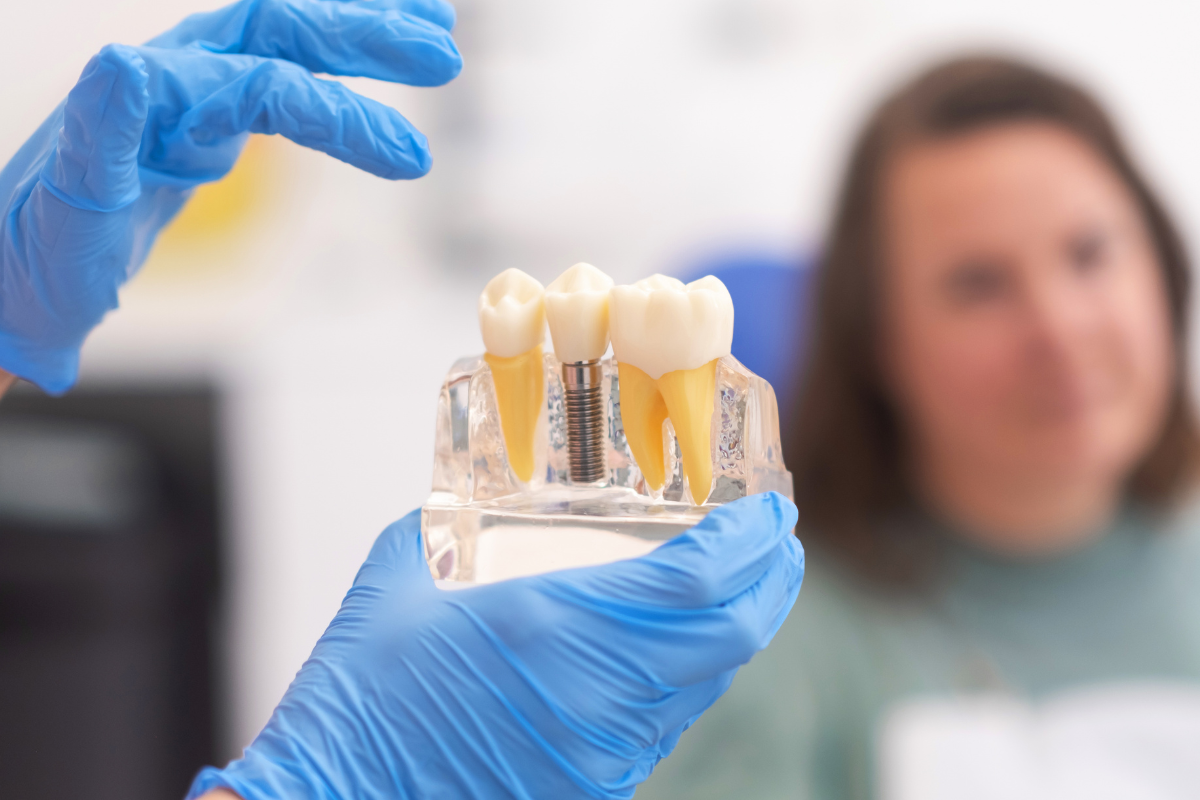
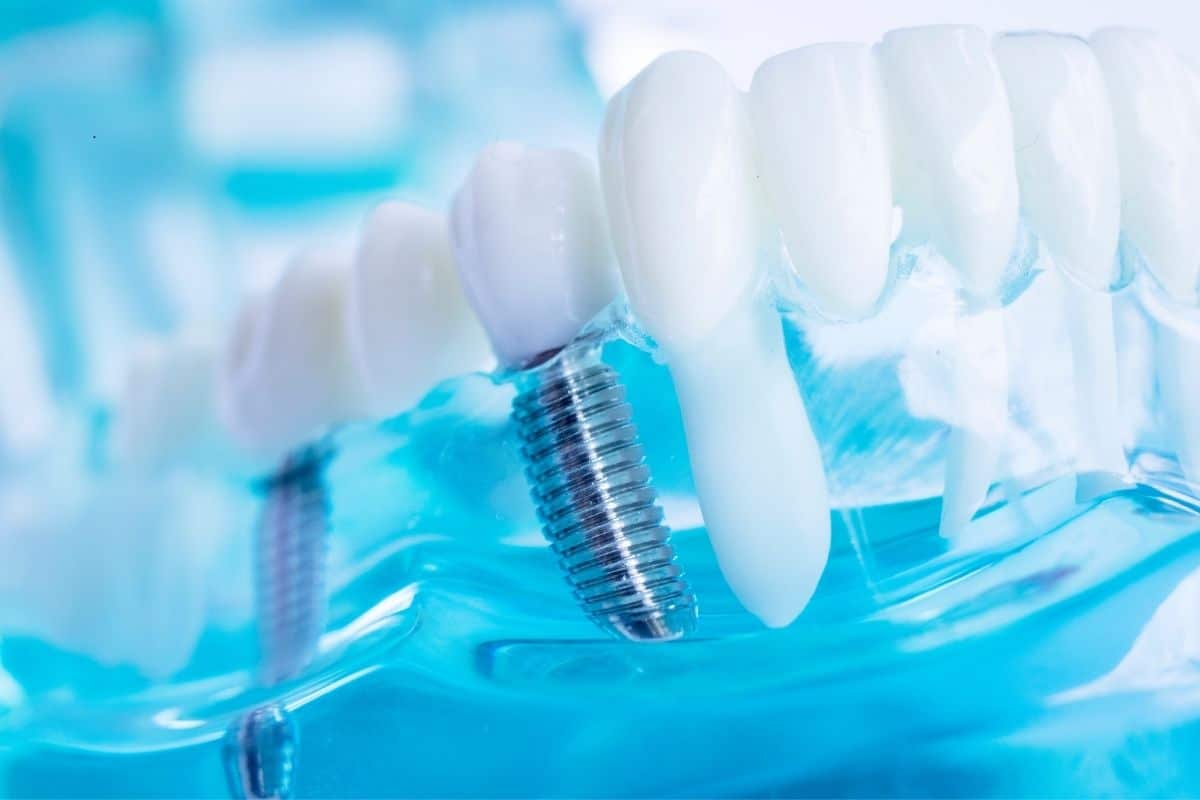
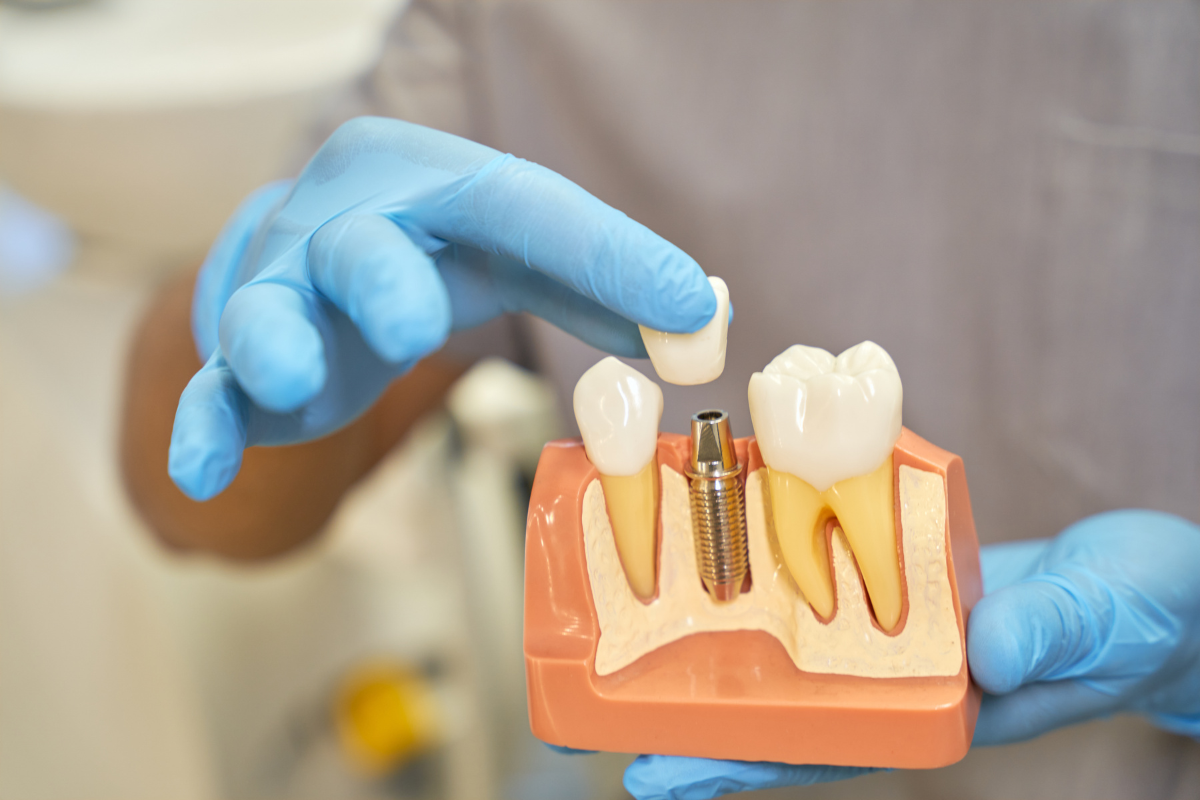
They are replacement tooth roots surgically placed in the jawbone. The implant post is commonly made from a biocompatible material and is designed to integrate with the surrounding bone through a process called osseointegration. Once the area has healed, an abutment and dental restoration can be attached to complete the replacement tooth.
This structure helps create stability that closely resembles the support provided by a natural tooth root. Depending on a patient’s needs, implant-supported restorations may be used to replace a single tooth, multiple missing teeth, or to support a larger restoration.
How Can Implant Treatment Restore Your Smile?
Tooth loss can leave noticeable gaps that affect smile symmetry and facial appearance. An implant-supported crown is designed to replace the visible portion of a missing tooth while creating a natural-looking result.
Restoring missing teeth can provide several benefits:
- Creates a more complete and balanced smile
- Helps restore comfortable biting and chewing
- Provides stability for replacement teeth
- Helps maintain the position of neighboring teeth
- Supports clearer speech when tooth loss has affected pronunciation
- Can improve confidence when smiling, speaking, and eating
Because the restoration remains securely supported, patients can often approach everyday activities with greater confidence.
How Can Implants Support Long-Term Oral Health?
One important consequence of tooth loss is the gradual loss of jawbone in the area where the tooth root is no longer present. Implant posts interact with the jawbone and can help preserve bone in the treated area. The practice also notes that implant treatment can support chewing, surrounding bone and gum structures, and nearby teeth.
Replacing a missing tooth can also help reduce unwanted movement of neighboring teeth. Maintaining proper tooth positioning contributes to a healthier bite and makes routine oral hygiene easier to manage.
For people researching dental implants in Tulsa, understanding these functional benefits is just as important as considering the cosmetic improvement.
Who May Be a Candidate for Implant Treatment?
Not everyone has the same oral health needs. A dentist must evaluate the mouth before determining whether implant placement is appropriate.
Important factors may include:
- Healthy gum tissue
- Adequate jawbone density
- Overall oral health
- Condition of surrounding teeth
- Commitment to brushing, flossing, and routine dental care
- Individual medical and dental history
The practice considers healthy gums and adequate bone density important when evaluating implant candidacy.
If you have one or more missing teeth, visit our dental office for an evaluation. A clinical examination can help determine which tooth replacement approach is appropriate for your smile.
What Happens During the Implant Process?
Treatment begins with an evaluation of your teeth, gums, jawbone, and smile goals. The implant post is then placed into the jawbone. During healing, osseointegration allows the post and bone to form a stable foundation. After appropriate healing, the final restoration is connected to recreate the visible tooth.
The exact timeline can vary because healing, bone condition, treatment complexity, and the number of teeth being replaced differ from person to person.
How Do You Care for Your Restored Smile?
Although replacement teeth cannot develop cavities in the same way as natural tooth enamel, the surrounding gums and remaining teeth still require consistent care. Dental implants should be supported with regular brushing, flossing, professional cleanings, and dental checkups. The practice similarly recommends routine oral hygiene and regular dental visits to maintain implant restorations.
Daily care helps protect the tissues surrounding the implant and supports the long-term health of your entire smile.
Rebuild Your Smile and Confidence in Tulsa
Living with missing teeth does not have to become your new normal. Modern implant dentistry can help restore chewing function, support jawbone health, complete your smile, and give you greater confidence in everyday situations.
If you are considering dental implants in Tulsa, take the next step with Mose Family Dentistry. Book an appointment in Tulsa to discuss your tooth replacement needs and learn whether implant treatment can help you regain a complete, functional, and confident smile.
Frequently Asked Questions(FAQ’s)
1. How long can dental implants last?
With consistent oral hygiene and routine professional care, an implant can provide long-term tooth replacement. Longevity varies according to oral health, home care, lifestyle factors, and the health of the surrounding gum and bone tissues.
2. Does getting an implant hurt?
The procedure is performed with measures designed to keep patients comfortable during treatment. Some swelling, tenderness, or soreness may occur afterward. Your dentist will provide aftercare instructions to support comfortable healing and recovery.
3. Can an implant help prevent jawbone loss?
An implant replaces the missing tooth root and transfers functional forces to the jawbone during biting and chewing. This stimulation can help preserve bone in the area where a natural tooth has been lost.
4. Will my replacement tooth look natural?
The final restoration is designed to complement the shape, size, and appearance of the surrounding teeth. Careful treatment planning can create a replacement that blends naturally with your smile while restoring everyday function.
5. Can I get an implant if my tooth has been missing for years?
Possibly. The dentist will need to evaluate your jawbone, gums, remaining teeth, and overall oral health. If bone volume has decreased, additional treatment may sometimes be considered before implant placement.
6. When should I consider replacing a missing tooth?
It is worth discussing replacement after losing a tooth because leaving the space untreated may affect chewing, tooth positioning, and jawbone health. An evaluation can identify an appropriate treatment approach and help you make an informed decision about restoring your smile.