5602 S Memorial Dr, Tulsa, OK 74145
How Many Dental Implants Can You Get at Once? A Complete Guide

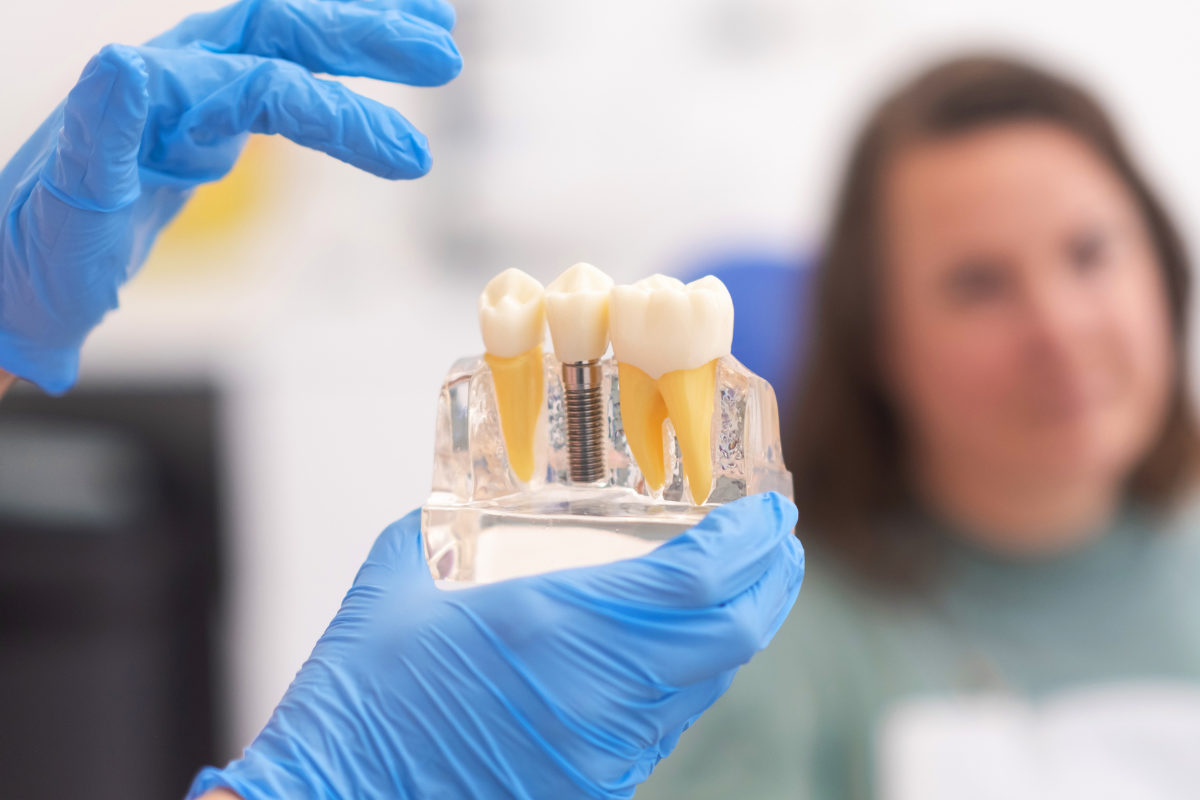
Missing multiple teeth can affect your confidence, chewing ability, and overall oral health. Many patients considering tooth replacement wonder, “How many dental implants can I get at one time?” The answer depends on several factors, including your jawbone condition, oral health, number of missing teeth, and your personalized treatment plan.
If you are searching for dental implants in Tulsa, understanding how implant placement works can help you make informed decisions about restoring your smile. Modern implant dentistry allows many patients to replace multiple missing teeth during a single appointment when they are healthy candidates.
What Determines How Many Dental Implants You Need?
There is no fixed number of implants that works for every patient. Your dentist will evaluate different factors before recommending the right approach.
Number of Missing Teeth
The number of missing teeth plays an important role in determining your implant treatment plan.
- A single missing tooth may require one dental implant with a crown.
- Several missing teeth may be restored with multiple implants supporting a bridge.
- Full arch tooth replacement may require fewer implants to support an entire row of teeth.
Your dentist will focus on creating a strong, functional, and natural-looking result rather than simply placing the maximum number of implants.
Can You Get Multiple Dental Implants at the Same Time?
Yes, many patients can receive multiple dental implants during one procedure. The number placed depends on your bone strength, overall health, and the complexity of your treatment.
For healthy patients, dentists may place:
- 1 dental implant: Common for replacing one missing tooth.
- 2–4 dental implants: Often possible during one appointment.
- Multiple implants: Used for patients replacing several missing teeth.
- Full-mouth implant solutions: Designed for extensive tooth loss.
A consultation with an experienced implant dentist will determine the safest option for your smile.
Factors That Affect Dental Implant Placement
Healthy Jawbone Structure
Dental implants require strong jawbone support. When teeth are missing for a long time, bone loss can occur, making implant placement more challenging.
Some patients may need procedures such as bone grafting before receiving implants.
Overall Oral Health
Healthy gums and teeth are important for successful implant treatment. Conditions like untreated gum disease or infections may need to be addressed before implant placement.
Type of Implant Treatment
Your treatment plan depends on your specific needs.
Common options include:
Single Dental Implants
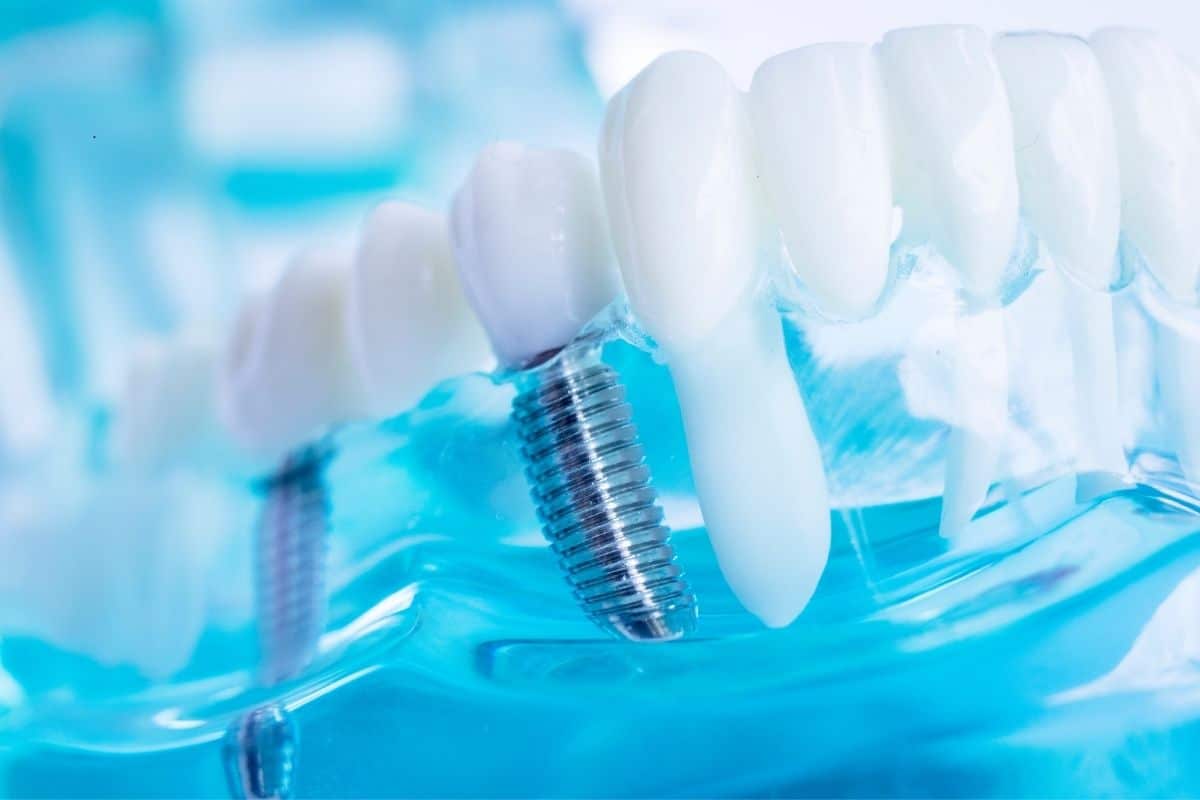
A single implant replaces one missing tooth. It includes a titanium implant post, abutment, and dental crown designed to look like a natural tooth.
Implant-Supported Bridges
Patients missing multiple teeth may benefit from an implant-supported bridge. This option can replace several teeth using fewer implants than replacing each tooth individually.
Full Arch Dental Implants
Patients with extensive tooth loss may qualify for full arch implant solutions. Techniques like All-on-4 use strategically placed implants to support a complete set of replacement teeth.
Benefits of Getting Multiple Dental Implants at Once
Receiving multiple implants in one treatment plan may provide several advantages:
- Fewer dental appointments
- Shorter overall treatment timeline
- Restored chewing ability
- Improved smile appearance
- Better long-term tooth replacement solution
Your dentist will determine whether completing multiple implants at once is the right choice based on your individual needs.
What Is Recovery Like After Multiple Dental Implants?
Recovery after implant placement varies from person to person. Some patients experience mild swelling, tenderness, or discomfort for a few days.
Following your dentist’s instructions can help support proper healing:
- Maintain good oral hygiene
- Avoid putting excessive pressure on the implant area
- Follow recommended dietary guidelines
- Attend follow-up appointments
With proper care, dental implants can provide a long-lasting solution for missing teeth.
Why Choose Dental Implants in Tulsa?
Choosing the right dental provider is an important step toward achieving a healthy and confident smile. Patients looking for dental implants in Tulsa can benefit from personalized treatment planning, advanced technology, and experienced dental care.
A consultation allows your dentist to examine your oral health, discuss your goals, and create a treatment plan designed specifically for your smile.
Restore Your Smile With Dental Implants in Tulsa
If you are missing one tooth or several teeth, dental implants can help restore your smile, comfort, and confidence. The number of implants you need depends on your unique situation and long-term goals.
Schedule a consultation with Mose Family Dentistry to explore your options for Dental implants in Tulsa and discover the right solution for your smile.
Frequently Asked Questions (FAQ’s)
How many dental implants can you get at once?
The number of implants placed at one time depends on your oral health, bone structure, and treatment goals. Some patients may receive one implant, while others may receive multiple implants in a single procedure.
Can you get two dental implants on the same day?
Yes. Many patients can receive two dental implants during the same appointment if their jawbone and overall health support the procedure.
Can you get full-mouth dental implants at once?
Full-mouth implant treatment may involve placing several implants to support a complete set of replacement teeth. Your dentist will determine the best approach after evaluating your needs.
How long do dental implants last?
With proper care and regular dental visits, dental implants can last many years and are considered one of the most durable tooth replacement options.