5602 S Memorial Dr, Tulsa, OK 74145
When to Consider Dental Implants: A Guide for Residents in Tulsa


If you’re living in Tulsa and dealing with missing teeth, you might be wondering when it’s time to consider dental implants. Many residents of our vibrant community understand the importance of a confident, healthy smile, but may not realize the long-term effects of leaving untreated missing teeth.
As you enjoy the rich culture of Tulsa, whether it’s visiting the Gathering Place or enjoying a concert at the BOK Center, a missing tooth can impact not just your smile but also your overall health and confidence.
Dental implants offer a permanent solution to missing teeth, restoring both functionality and appearance. But how do you know when it’s the right time to choose dental implants in Tulsa? This blog will explore the signs that indicate you may need dental implants and why they’re a great option for those with missing teeth.
Why Do You Need Dental Implants?
These permanent tooth restorations are one of the most effective ways to replace missing teeth. They provide benefits far beyond aesthetics, offering important health advantages. If you’re unsure whether dental posts are right for you, here’s a look at why you may need them:
1. Combat Bone Loss and Prevent Jawbone Shrinking
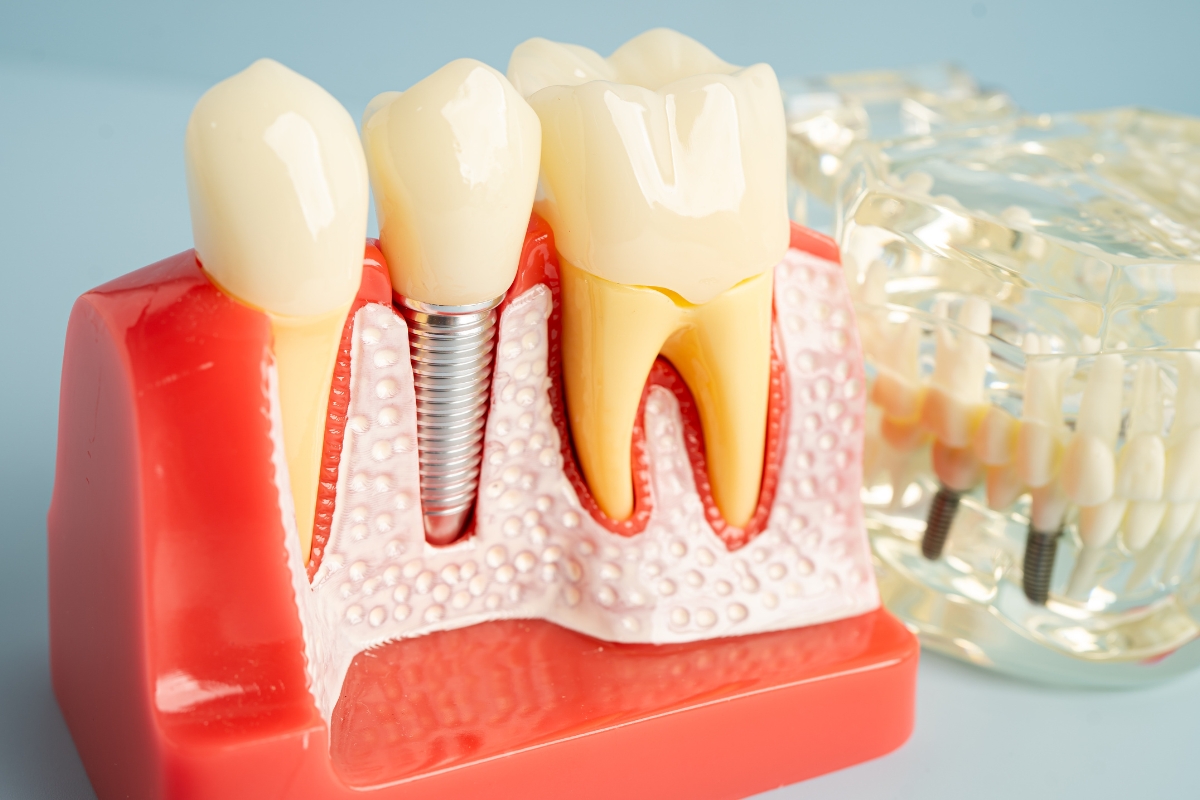
When a tooth is lost, the jawbone in that area begins to shrink over time due to a lack of stimulation. This process is known as bone resorption. Dental implants serve as a replacement root for your missing tooth, providing the stimulation needed to keep your jawbone healthy. Without implants, bone loss may continue, leading to further tooth loss and changes in facial appearance.
2. Provide Stability to Nearby Teeth
Gaps left by missing teeth can cause surrounding teeth to shift or become misaligned. This can make it difficult to clean your teeth properly and can contribute to further dental issues. These implants help maintain the stability of your surrounding teeth by filling the gap and preventing them from moving out of place.
3. Help You Overcome Chewing Difficulties
Missing teeth can make it difficult to chew your favorite foods. Whether you’re enjoying a steak at a local restaurant in Tulsa or a healthy salad from a farm-to-table eatery, dental implants allow you to eat the foods you love without discomfort. Implants restore the full functionality of your teeth, making it easier to chew properly.
4. Support for Dentures, Crowns, and Bridges
If you wear dentures or bridges, dental implants can provide additional support. Implant-supported dentures offer a more secure fit and are easier to manage than traditional dentures, reducing the risk of slippage. In fact, many people in Tulsa who wear implant-supported dentures in Tulsa find that these implants improve their overall quality of life.
5. Preserve Gums and Bones Surrounding Missing Teeth
When a tooth is missing, the gums and bones around the gap can begin to recede. Over time, this can affect your smile’s appearance and function. Tooth implants help preserve the surrounding gums and bones, preventing further loss and maintaining the natural look of your smile.
6. Enhance Facial Appearance and Quality of Life
Missing teeth can cause your face to sag, making you look older than you are. Dental posts restore your smile, support the facial structure, and help prevent changes in your appearance. This, in turn, can boost your confidence, making you feel better about yourself in social situations, whether you’re enjoying a night out in downtown Tulsa or spending time with friends at a local event.
Who Are the Right Candidates for Dental Implants?
They are an ideal option for many people, but they’re not suitable for everyone. Here are the key factors that make you a good candidate for dental implant treatment:
1. Good Oral Health
You need to have healthy gums and strong jawbones to support the implant. If you have gum disease or bone loss, your Tulsa implant dentist will work with you to address these issues before proceeding with implants.
2. Sufficient Bone Density
As mentioned earlier, the jawbone needs to be strong enough to support the implant. If you’ve been missing teeth for a while, your dentist may recommend a bone graft to improve bone density before placing the implant.
3. Non-Smokers
Smoking can negatively affect the healing process after dental implant surgery in Tulsa. Smokers are at a higher risk of implant failure, so it’s recommended to quit smoking before undergoing the procedure.
4. Commitment to Care
Dental implants require proper care, including regular brushing, flossing, and routine dental check-ups. If you’re willing to maintain good oral hygiene and commit to follow-up visits, you’re more likely to enjoy long-term success with implants.
5. Healthy Overall Health
Certain medical conditions, such as uncontrolled diabetes, may interfere with the healing process. It’s essential to discuss your medical history with your dentist to ensure you’re a suitable candidate for dental implants.
How Long Does the Dental Implant Process Take?
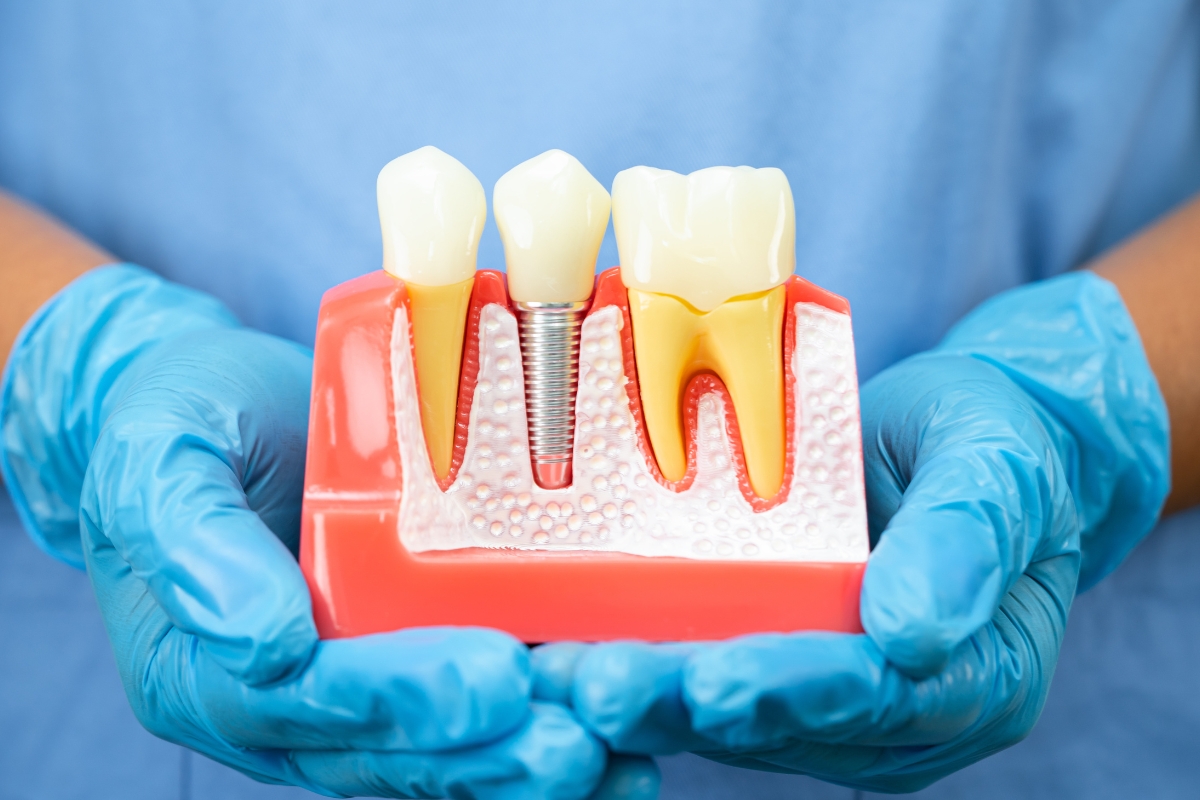
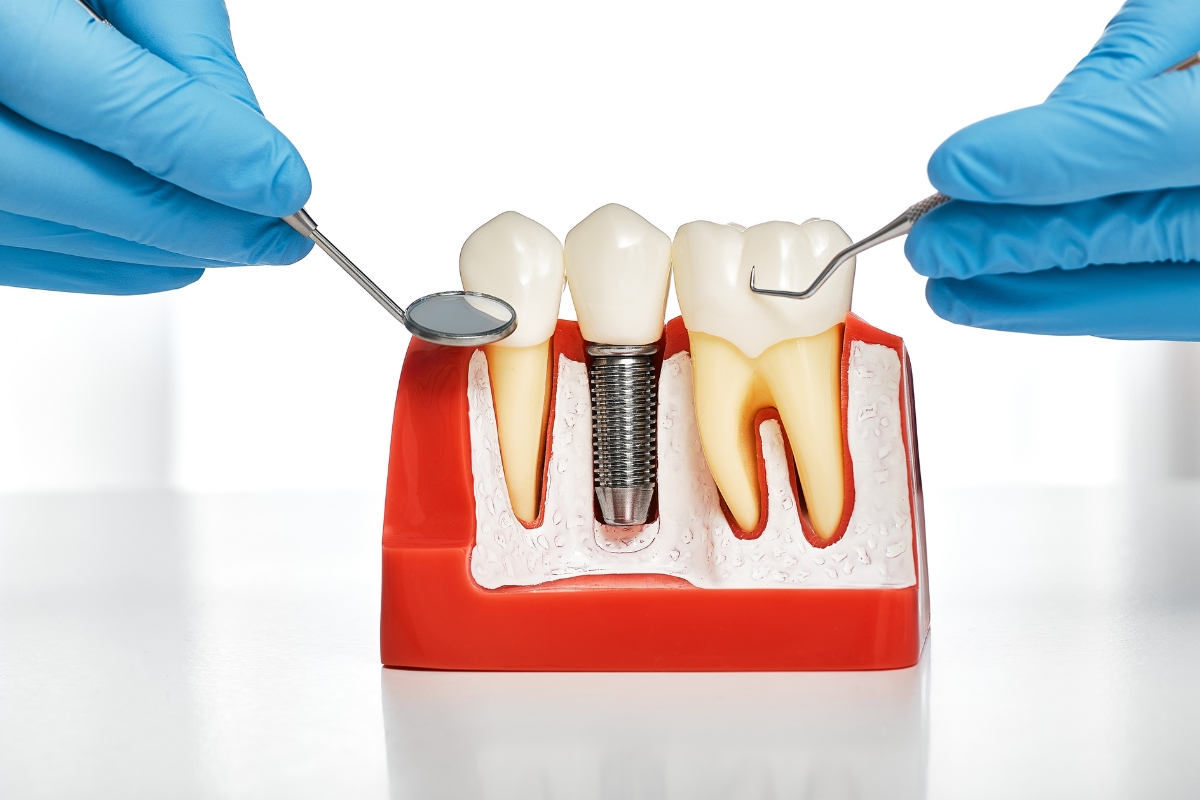
The dental implant process typically takes several months. After the initial consultation, your dentist will place the implant into your jawbone. Over the next few months, the bone will fuse with the implant in a process called osseointegration. After this period, a crown will be placed on top of the implant to restore the missing tooth.
While it may take a few months, the result is a permanent solution that can last a lifetime with proper care.
Restore Your Smile with Dental Implants
If you’re missing teeth, it’s important to understand the long-term effects of not replacing them. Dental implants offer a permanent solution to restore your smile, improve your function, and prevent further complications. If you’re in Tulsa, consider consulting a Tulsa implant dentist to explore the tooth replacement options.
At Mose Family Dentistry, Dr. John D. Mose III and our dedicated team specialize in dental implants and comprehensive restorative care to help you regain your smile. If you’re ready to restore your smile, contact us today to schedule a consultation and start your journey toward a healthier, more confident you.
FAQs
1. How long do dental implants last?
These restorations can last a lifetime with proper care. The implant post is made of durable titanium, while the crown may need replacement after 10-15 years, depending on wear and tear.
2. Are dental implants painful?
Most patients report little to no pain during dental implant surgery in Tulsa, thanks to local anesthesia. After the procedure, you may experience mild discomfort, which can be managed with over-the-counter pain relief.
3. How long does it take to get dental implants?
The entire process typically takes several months, including healing time for the implant to fuse with the bone. This ensures the implant is secure and functional in the long term.
4. Can anyone get dental implants?
Not everyone is a candidate for implants. Good oral health, sufficient bone density, and the absence of gum disease are essential factors. A consultation with your dentist will determine if you’re a suitable candidate.
5. Are there alternatives to dental implants?
Yes, alternatives include dentures and dental bridges. However, dental implants are often preferred due to their permanence and their ability to help preserve jawbone structure.
6. How do I care for my dental implants?
After receiving dental implants, it’s important to maintain good oral hygiene by brushing and flossing regularly. Routine dental check-ups will help ensure your implants remain in good condition.
7. Can I get dental implants after losing teeth for a long time?
Yes, you can still get dental implants even if you’ve been missing teeth for a long time, although bone grafting may be necessary to rebuild lost bone before the implant can be placed.
8. Will dental implants look natural?
Yes, dental implants are designed to look and function like natural teeth. The crowns placed on the implants are custom-made to match your existing teeth in shape and color.