5602 S Memorial Dr, Tulsa, OK 74145
Finding Your Perfect Fit: A Guide to Dental Crown Materials

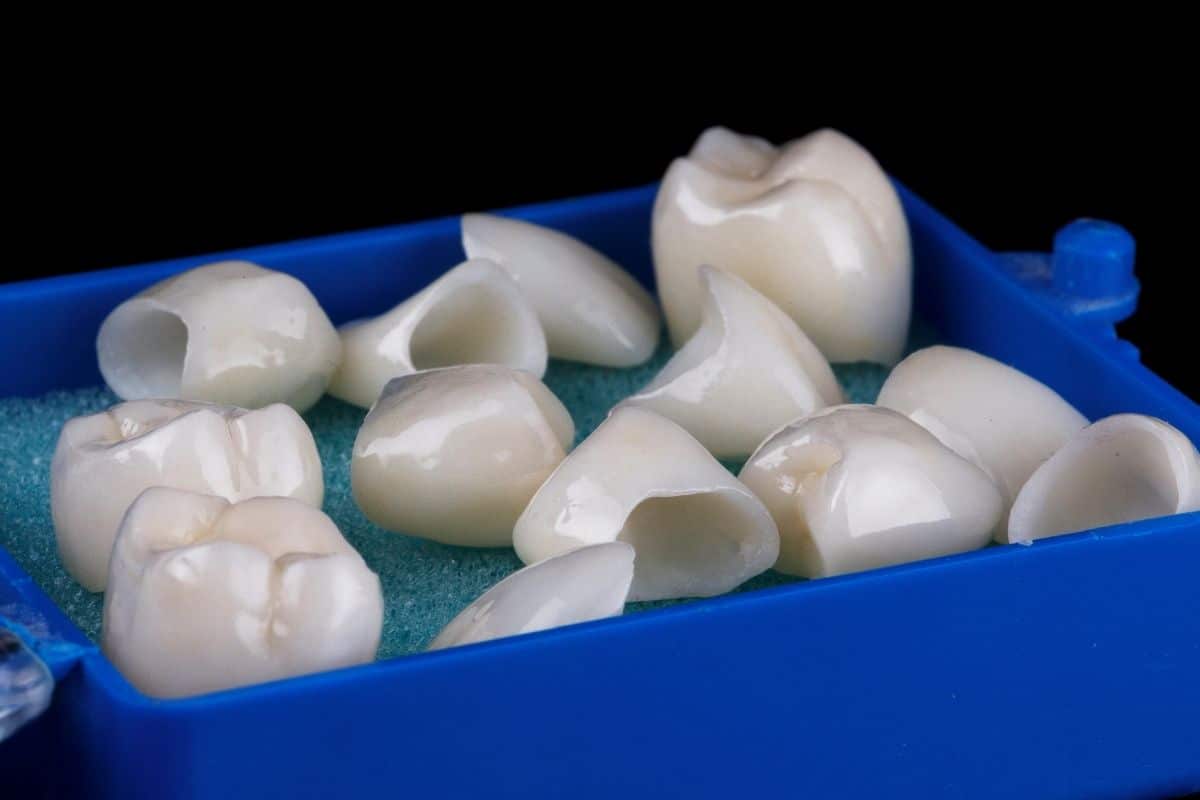
Dental crowns are essential for replacing teeth that have been weakened, decaying, or destroyed. With various materials available, choosing the right one can feel overwhelming. The good news? There’s a perfect crown material for every need, preference, and budget. Let’s explore the top dental crown materials, their benefits, and what to consider.
Why Choose a Dental Crown?
A dental crown restores a tooth’s shape, size, and function while providing a protective cap. Dentists recommend crowns for several reasons, including:
- Protecting a cracked or worn-down tooth
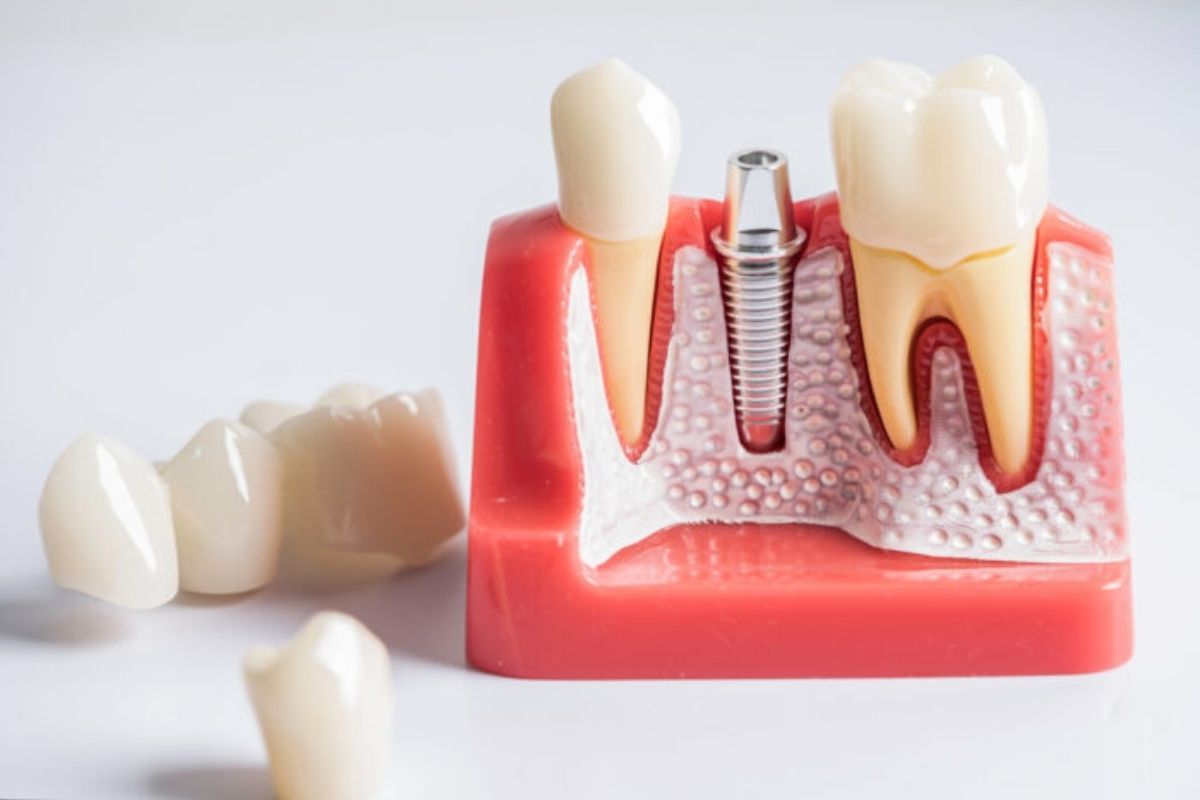
- Covering a dental implant
- Restoring a tooth after a root canal
- Enhancing the appearance of a misshapen or discolored tooth
Selecting the right crown material guarantees longevity, use, and a natural look.
Top Dental Crown Materials:
Porcelain-Fused-to-Metal (PFM) Crowns
PFM crowns combine durability with aesthetics. The porcelain layer replicates the appearance of real teeth, while the metal core fortifies the crown. These crowns are an excellent choice for back teeth, where durability is essential, or for individuals seeking a balance between function and appearance.
Pros:
- Strong and long-lasting
- Natural-looking appearance
- Suitable for chewing pressure
Cons:
- Over time, the metal may show near the gumline
- Can cause wear on opposing teeth
All-Ceramic or All-Porcelain Crowns
If aesthetics top your list of priorities, all-ceramic crowns deliver. These crowns closely match the color and clarity of natural teeth, making them perfect for front teeth or visible areas.
Pros:
- Superior aesthetics
- Metal-free, ideal for patients with allergies
- Suitable for front teeth
Cons:
- Less durable than metal or PFM crowns
- More prone to chipping, especially under heavy chewing pressure
Metal Crowns
Metal crowns, usually crafted from gold, platinum, or base metal alloys, are recognized for their strength and durability. While not the most natural-looking option, they’re ideal for molars or teeth that require heavy-duty restoration.
Pros:
- Exceptional durability
- Resistant to wear and tear
- Minimal tooth preparation is needed
Cons:
- Metallic appearance
- Not suitable for apparent teeth
Zirconia Crowns
Because zirconia crowns combine strength and beauty, they are growing in popularity. Made from high-quality ceramic, these crowns are durable enough for molars and visually appealing enough for front teeth.
Pros:
- Highly durable and resistant to fractures
- Natural appearance
- Biocompatible, reducing the risk of allergic reactions
Cons:
- It may require more extensive tooth preparation
- It can wear down opposing teeth over time
Resin Crowns
Resin crowns offer an affordable solution for temporary or budget-conscious restorations. Although less durable than other materials, people often use them for short-term purposes.
Pros:
- Cost-effective
- Suitable for temporary crowns
Cons:
- Not as durable or long-lasting
- Prone to fractures and wear
How to Choose the Right Crown Material?
The best dental crown material depends on your specific needs, including:
- Location of the tooth: Front teeth often require aesthetic materials, while back teeth benefit from more robust options.
- Budget: Some materials, like resin or PFM, are more affordable, while zirconia and all-ceramic crowns may cost more.
- Durability needs: Consider your lifestyle and the pressure your teeth endure.
Every patient is unique, and your dentist near you can help you select the ideal crown material for your situation. Factors like oral health, personal preferences, and insurance coverage play a role in decision-making.
When you invest in the right dental crown, you restore your smile’s beauty and functionality. With various options available, achieving a perfect fit is easier than ever.
Ready to explore your options? Take the first step toward a healthier, more confident smile by scheduling a consultation with your dentist today.
Related blog: Dental Crowns: Strength & Smile Restoration