5602 S Memorial Dr, Tulsa, OK 74145
Understanding Dental Crowns: Durability and Restoration for Your Smile

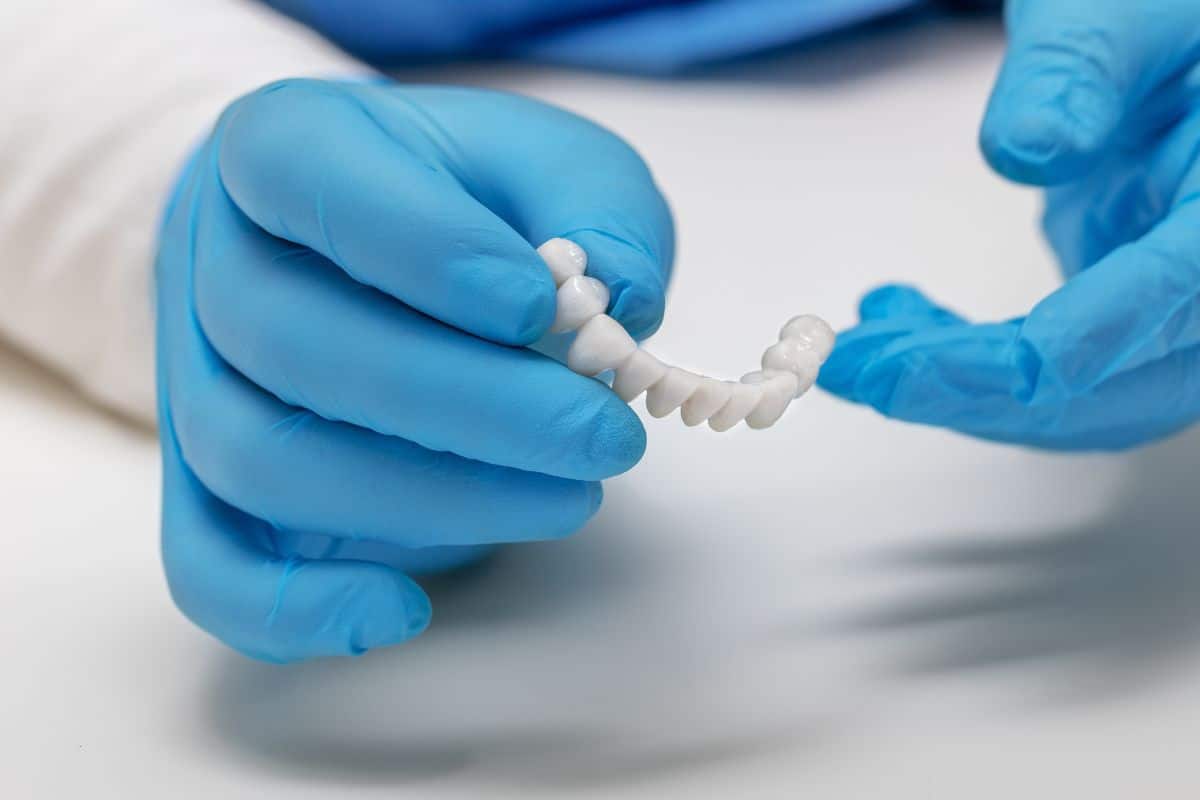
Dental crowns are a versatile and durable solution to restore damaged or weakened teeth, helping patients maintain a healthy and attractive smile. Whether you’ve cracked a tooth, experienced severe decay, or undergone a root canal, dental crowns provide both protection and aesthetic benefits. Let’s explore the durability of dental crowns and how they can effectively restore your smile.
What Is a Dental Crown?
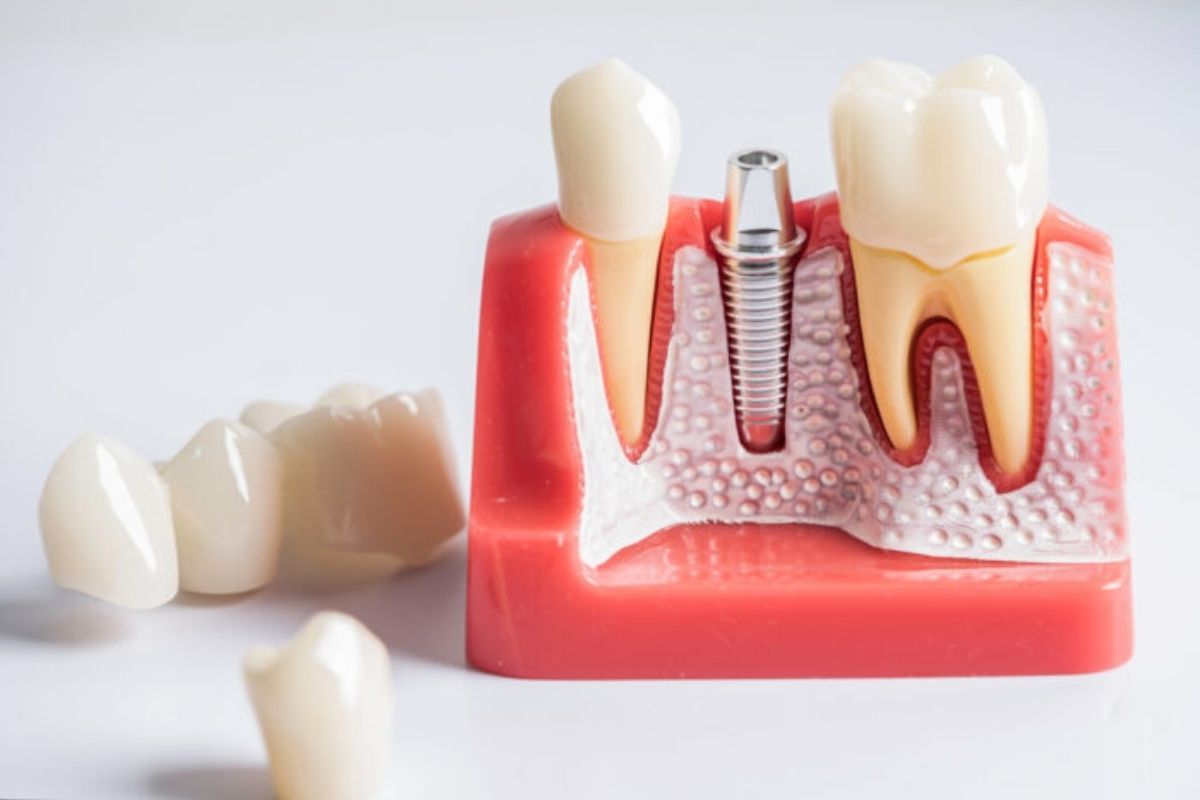
A dental crown is a custom-made cap that covers the entire visible portion of a damaged tooth. Crowns are typically made from materials like porcelain, ceramic, metal alloys, or a combination of these. Your dentist will recommend the best material based on your specific needs, with porcelain and ceramic being popular choices for their natural appearance.
Crowns not only restore the tooth’s function but also protect it from further damage. They are often used to:
- Strengthen a weakened tooth due to decay or trauma.
- Restore a broken or cracked tooth.
- Enhance the appearance of a stained or malformed tooth.
- Cover a dental implant or provide support for a bridge.
How Durable Are Dental Crowns?
One of the most significant benefits of dental crowns is their durability. On average, crowns last between 10 and 15 years, but with proper care, they can last even longer. The lifespan of your dental crown largely depends on the material used, your oral hygiene habits, and how well you care for your teeth.
Types of Dental Crown Materials and Durability
Different materials offer varying levels of durability:
- Porcelain or Ceramic Crowns: These crowns closely resemble natural teeth, making them a popular choice for visible teeth like those in the front. They are durable but slightly more prone to chipping or cracking compared to metal crowns.
- Metal Crowns (Gold, Alloy): Metal dental crowns are incredibly strong and durable, making them ideal for molars that experience heavy chewing forces. However, they don’t match the natural color of teeth, which is why they are often used for back teeth.
- Porcelain-Fused-to-Metal (PFM) Crowns: These crowns have the strength of metal and the visual appeal of porcelain. They are highly durable but may show a thin metal line at the gum line over time.
- Zirconia Crowns: Zirconia crowns are gaining popularity due to their exceptional strength and natural appearance. They offer both durability and aesthetics, making them suitable for both front and back teeth.
How Do Dental Crowns Restore Your Smile?
Dental crowns play a crucial role in restoring not just the function of your teeth but also the beauty of your smile. Here’s how they help:
- Protecting Weakened Teeth
When a tooth becomes weak due to decay or trauma, it’s more susceptible to breakage. A dental crown acts like armor, encasing the tooth and preventing it from further damage.
- Restoring Function
If you have a cracked or broken tooth, chewing can become painful or difficult. A dental crown restores the tooth’s natural shape, allowing you to bite and chew normally again.
- Improving Aesthetics
Crowns can greatly enhance the appearance of your teeth. If you have a discolored or misshapen tooth, a well-designed crown can blend seamlessly with the rest of your teeth, creating a uniform and attractive smile.
- Supporting Other Dental Treatments
Crowns are often used in conjunction with other dental treatments, such as dental implants or bridges. If you’ve had a dental implant to replace a missing tooth, the crown serves as the finishing touch, giving you a functional and natural-looking tooth.
Caring for Your Dental Crown:
While dental crowns are highly durable, proper care is essential to maximize their lifespan. Here are some techniques to keep your crown in great shape:
- Maintain Good Oral Hygiene: Brush and floss frequently to avoid decay and gum disease around the crowned tooth. Although the crown itself won’t decay, the natural tooth underneath can still develop issues if not properly cared for.
- Avoid Hard Foods: While crowns are strong, biting down on hard foods like ice or candy can damage or crack them. Be mindful of what you eat.
- Visit Your Dentist Regularly: Routine dental checkups are important to ensure your crown remains in good condition. Your dentist near you will examine your crown for signs of wear or damage and address any potential issues early.
Are Dental Crowns Right for You?
If you’re dealing with a damaged or weakened tooth, a dental crown could be the solution you need. Crowns offer long-lasting durability and an excellent way to restore both function and beauty to your smile. Speak with your dentist to determine if a dental crown is the best option for you.
Conclusion
Dental crowns provide a reliable and durable solution to protect and restore damaged teeth. If you’re visiting a Tulsa dentist in Tulsa, you can expect high-quality crown treatments designed to strengthen and enhance your smile. With proper care, a crown can last many years, offering improved function, protection, and aesthetics. Whether you need a crown due to decay, trauma, or cosmetic concerns, this restoration option remains a cornerstone of modern dentistry.
Related blog: Dental Crowns: Restore Damaged Teeth & Benefits Explained